
Historic Milestone: Colombia exports chicken to Japan for the first time
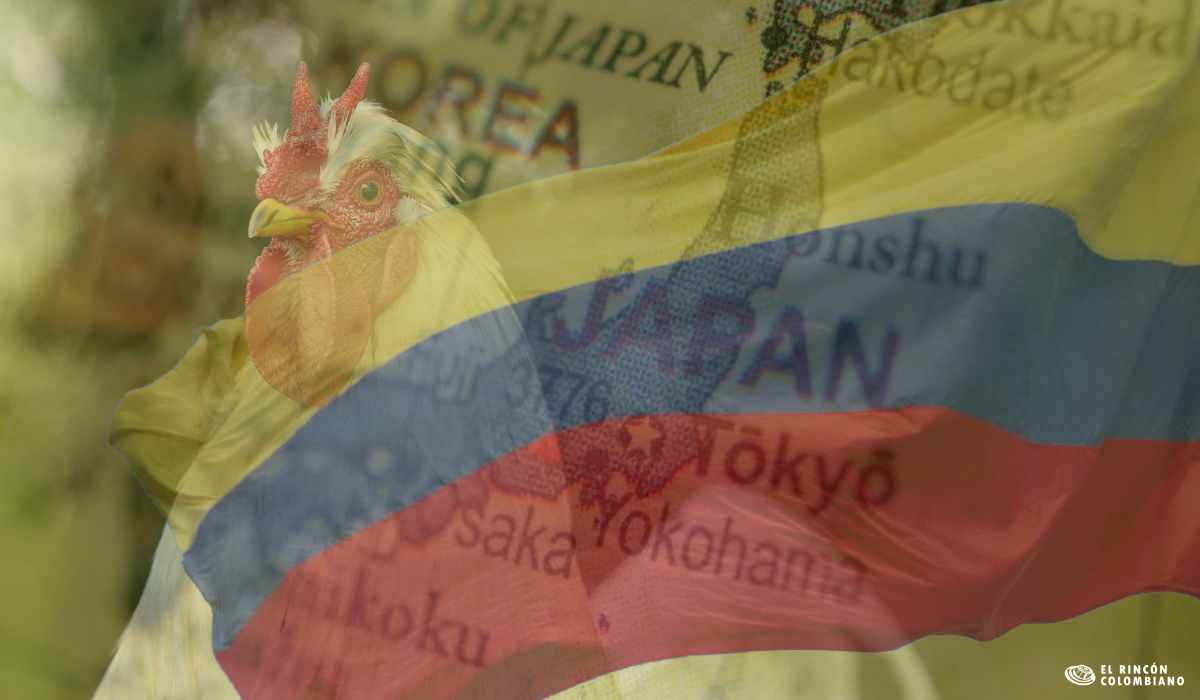
The Colombian poultry sector has materialized its entry into the world’s third-largest chicken importer. Cargill Food Latin America (Pollos El Bucanero) dispatched the first container after successfully meeting the strict sanitary protocols required by Asian authorities.
The Japanese Market in Figures
The arrival of the first container of Colombian chicken meat in Japan, recorded this October 7, 2025, activates a trade channel negotiated since sanitary admissibility was granted in 2015. Japan imported over 1.1 million tons of chicken in 2024, sourcing primarily from Brazil and Thailand. Colombia now enters this high-demand arena with seven plants already authorized for export.
This operation validates the equivalence of sanitary standards between both nations. The ICA (Colombian Agricultural Institute) and Invima (National Institute for Food and Drug Surveillance) guaranteed compliance with safety and traceability requirements, allowing Colombian products to overcome the entry barriers of one of Asia’s most rigorous inspection systems.
Quality and Investor Confidence
The export executed by Pollos El Bucanero S.A. is not an isolated event, but a signal of industrial maturity. Gonzalo Moreno, president of Fenavi (National Federation of Poultry Farmers), highlights that this market access validates Colombia’s capacity to produce proteins under global standards of responsibility and commitment.
This commercial milestone results from a strategic alignment between the private sector and public institutions. The national industry’s ability to respond to Tokyo’s requirements positions the country brand as a reliable supplier, capable of diversifying the food supply in high-purchasing-power markets.
International Roadmap
With the Japanese channel now open, Invima is focusing its efforts on expanding to other strategic destinations. The current regulatory agenda prioritizes sanitary admissibility in markets such as China, Iraq, the United Arab Emirates, Saudi Arabia, and Hong Kong. In the medium term, the central objective is to gain access to the United States market, consolidating Colombia as a relevant export hub in global food trade.
Source: fenavi.org