
The Whistler: The Most Terrifying Legend of the Eastern Plains
Quick Summary
The Whistler is a legend that tells the story of a spoiled young man who lived in the Eastern Plains region. From a very young age, this llanero (plainsman) was toñeco—an overly pampered and spoiled child—by his family. This indulgence reached the point where they fulfilled any whim he desired.
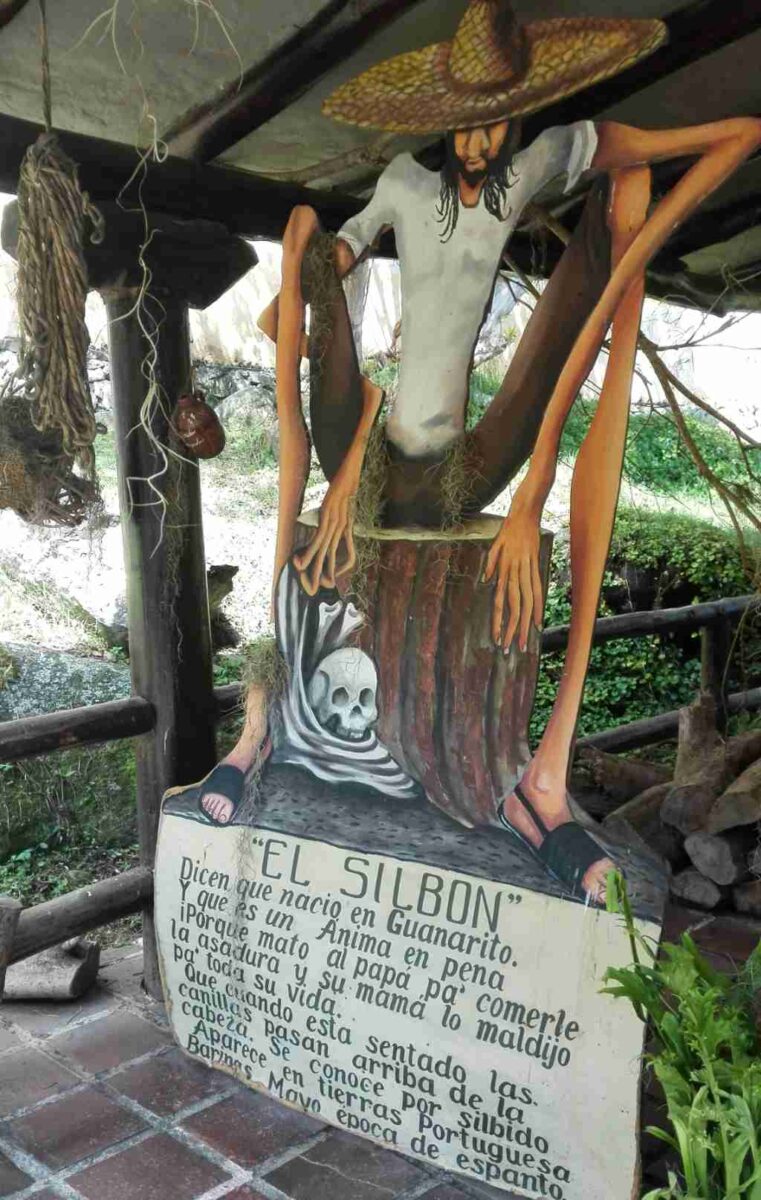
The young man acquired the nickname of “The Whistler” because he spent all day whistling. He lived his day-to-day life hopping from one cantina to another. One day, while being served lunch, he threw a massive tantrum because the food was not to his liking. He threw his plate on the floor and stood up, shouting that what he really craved were deer innards. His father, who always sought to please him in every way, grabbed his shotgun and went into the forest to hunt the animal. Unfortunately, his journey was unsuccessful, and he failed to catch the deer.
(Read also: The Legend of the Sayona, a ghost that devours unfaithful men and gossiping women)
On his way back home, the father ran into his son, who was completely drunk. The young man had spent the entire day at the cantina, drowning the anger he had felt during lunch. His father tried to explain that he could not hunt the deer. However, in an act of pure rage and madness, the young man beat his father until he fell to the ground. Right there, he took the shotgun and shot him dead. He then pulled out his father’s hunting knife and gutted him like an animal. He removed his viscera and entrails, wrapped them in a shirt, and took them home.
Upon arriving, he handed the innards over to his grandmother for her to cook. When she asked where he had gotten them, he confessed without a shred of remorse that they were his father’s organs, and that he had extracted them because his father had failed to hunt the deer. His family, entirely stunned by this horrific act, captured him. By his grandfather’s orders, he was tied to a wooden post in the courtyard. There, he was mercilessly whipped and tortured. Afterward, they rubbed hot chili peppers into his open wounds to make him writhe in even greater agony.
(Read also: The Candileja; a woman condemned to burn in fire for all eternity, find out why)
After that severe torture, they untied him and exiled him from the property. As he was leaving, they set the the tureco dog—a demonic dog—on him. His grandmother then cast a heavy curse upon him. She condemned him to spend all of eternity wandering the world without rest, carrying his father’s bones. He would forever be chased by the demonic dog, which would bite his heels every time it caught up to him.
To fulfill his sentence, the young man returned to the exact spot where he had left his father’s corpse. There, he collected the remaining bones, shoved them into a sack, and vanished deep into the forest to live out his curse.
It is said that The Whistler’s tune follows the musical notes (do, re, mi, fa, sol, la, ti) in that exact order. Legend has it that if you hear the whistling nearby, it means this specter is actually very far away. However, if you hear it faintly in the distance, it means he is standing very close, meaning you are in grave danger.
Who Does The Whistler Haunt?
The Whistler usually targets drunkards, womanizers, and night owls. When he attacks a drunk man, he tends to suck through the victim’s belly button to drink the alcohol they have consumed. He mercilessly dismembers his other victims, only to stuff their bones into his heavy sack.
(Read also: The Legend of The one-legged woman; beware of this man-devouring beast)
Folklore dictates that this being will choose a house and sit in the corner to count the bones in his sack while whistling his tune. If several household members manage to hear him, nothing happens. But if no one hears the dreadful sound, one person in that home will wake up dead the next morning.
The Whistler is considered one of the most dangerous specters in Latin American folklore because he rarely distinguishes between good and bad people.
Other Versions of The Whistler Legend
Much like other folk tales, The Whistler has multiple origin stories. One of these accounts claims that he murdered his father because he caught him abusing his wife. Witnessing this, the young man was blinded by rage and attacked his father until he killed him. When his grandfather discovered what had happened, he tied the young man up and whipped him severely. He then cursed him, set the dogs loose to bite him, and condemned him to wander the earth carrying his father’s bones on his back.
(Read also: The Legend of The Weeping Woman: one of the oldest and most terrifying in Latin America)
Another version states that The Whistler was a young boy who died of loneliness and now wanders the world searching for company. It is believed that his distinct whistle is meant to lure people to join him in his eternal isolation.
A very well-known variation tells that The Whistler was once a living man who inhabited the Venezuelan states of Portuguesa, Cojedes, and Barinas. This man’s wife was unfaithful to him with his own father. Upon discovering this deep betrayal, he murdered his progenitor. Although he regretted it instantly, he feared the vengeance and retaliation this act would provoke, leading him to attempt an escape.
However, his grandfather found out about the gruesome events and captured him with the intention of executing him with his machete. The man managed to slip from his grandfather’s grasp, prompting the old man to release his hunting dogs to catch him. The fleeing man ran as fast as he could while the dogs chased relentlessly. At a certain point, both the barking of the animals and the man’s voice abruptly ceased. The only sound left was a high-pitched whistle coming from a tiny bird that no one had ever seen before.
(Read also: The Cannibal Restaurant of Bogotá)
From that moment on, neither the man nor the dogs were ever heard from again. Locals assume that during his desperate flight, he cried out to God for help. The divine response transformed him into a bird to save his life, but in exchange, he was condemned to roam the world hunting down unfaithful men. Since then, he appears in the form of a bird to cheating night owls. If they hear the bird singing and whistle back, the creature transforms and violently scratches them, making them lose their way deep inside the forest.
In Colombia, there is also another legend called “El Silborcito” (The Little Whistler), which involves an entirely different phantom.
Origin of The Whistler Legend
The Whistler is a legend that originated in the Eastern Plains of Venezuela, specifically in Guanarito, within the Portuguesa State. It has spread widely throughout Colombia because the eastern plains of both countries share a deeply interconnected cultural identity. This particular tale is said to date back to the 19th century.
What Does The Whistler Look Like?
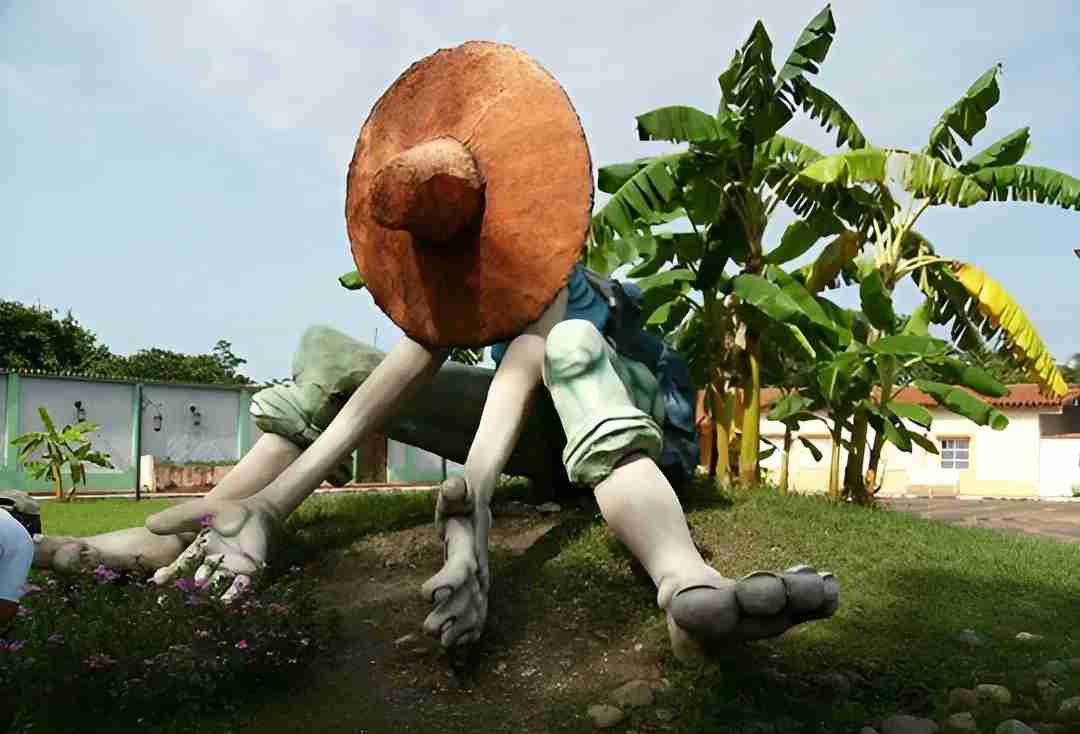
The Whistler’s appearance is described as a scrawny, unnaturally tall man who can reach up to six meters in height. When he sits down, his bony knees reach all the way up to his head. He wears a traditional hat and carries a heavy sack on his back, packed with the bones of his father and his unfortunate victims.
How to Protect Yourself from The Whistler
There are two ways to protect yourself from this dreadful spirit. The first is to be accompanied by a dog, as their barking usually frightens him away. This fear likely stems from the ancient curse placed upon him, condemning him to be chased by the demonic tureco dog.
(Read also: The Mohan, the spirit of the Colombian rivers)
The second method is to carry hot chili peppers. He is deeply afraid of them due to the agonizing pain he endured during his childhood torture.
Tributes and Representation of The Whistler in Popular Culture
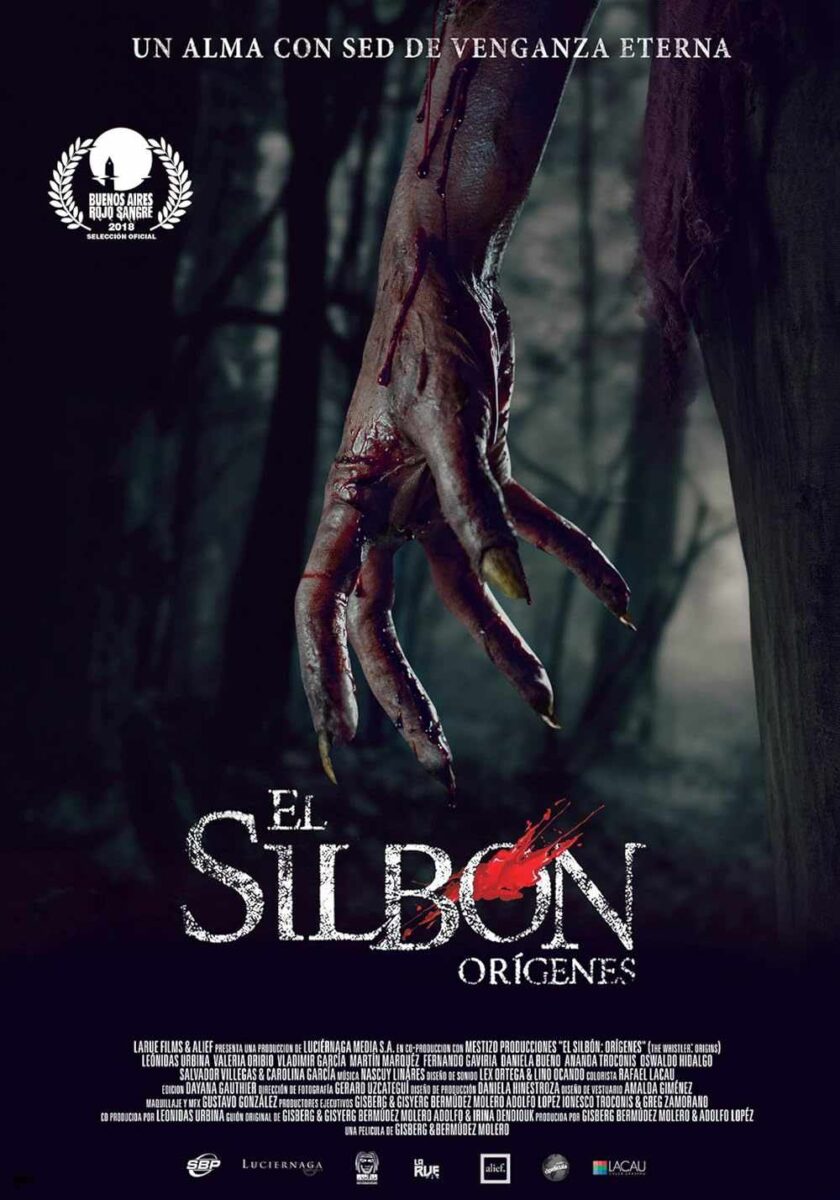
The Whistler is a highly valuable cultural element for the plainspeople. So much so, that various sculptures have been erected in both Colombia and Venezuela to highlight this iconic character. Furthermore, a horror film based on the legend titled “El Silbón: Origenes” was released in 2018.



Frequently Asked Questions
Is The Whistler a Legend or a Myth?
The Whistler is classified as a legend rather than a myth because it narrates the life of a character situated within a defined historical timeline, whose actual existence is presumed. Additionally, it recounts plausible events that could have occurred in reality, regardless of the fantastic and supernatural elements that have been added over time through oral tradition.
También te puede interesar
The Legend of Juan Machete: The Fire-Vomiting Phantom of the Colombian Plains
Iraca and Ramiriquí: The Muisca Myth of the Origin of Humans, the Sun, and the Moon
The Legend of The Sayona, the Terror of Unfaithful Men
The Myth of the Origin of the Sun and the Moon (Arhuacos)