
Vino de Naranja: The Rustic Colombian Orange Wine
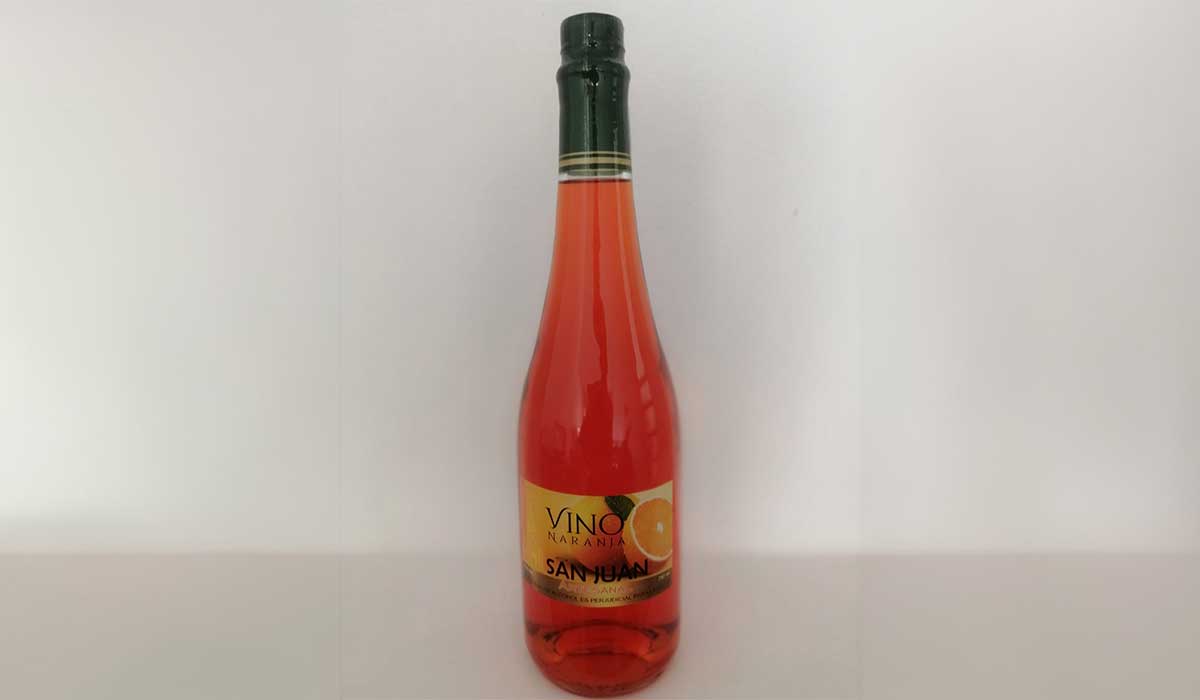
Discover the patience and reward of making Vino de Naranja, a sweet, artisanal fruit wine deeply rooted in Colombian home traditions. Unlike vineyard wines, this beverage relies on the vibrant acidity and sweetness of tropical oranges, enhanced with a touch of bitters (gotas amargas) for depth.
This isn’t a quick cocktail; it’s a project. The traditional method involves “earthing” or burying the bottle to ensure a constant, cool temperature and complete darkness during the two-month fermentation process. The result is a bright, amber-hued liquor perfect for sipping as a digestif or pairing with a light dessert. It captures the essence of slow living and the tropical bounty of Colombia.
Vino de Naranja (Homemade Orange Wine)
A traditional Colombian artisanal wine made from fermented orange juice and bitters. A sweet, citrusy liquor that requires 60 days of patience for a unique flavor profile.
Ingredients
- Juice of 24 Oranges: Freshly squeezed. (Choose sweet, ripe oranges for the best fermentation)
- Sugar: To taste. (Recommendation: Start with 1 cup. The sugar aids fermentation and balances the acidity)
- 1 tbsp Bitters (Gotas Amargas: Angostura bitters or orange bitters work best to replicate the Colombian gotas amargas)
Step-by-step preparation
- Squeeze the juice from the oranges. In a large bowl, combine the fresh juice, sugar, and bitters. Stir vigorously until the sugar granules have completely dissolved.
- Pass the mixture through a fine-mesh sieve or cheesecloth to remove the pulp and seeds. You want a liquid that is as clear as possible.
- Pour the mixture into a sterilized glass bottle and seal it tightly. (Traditional Method: Dig a hole and bury the bottle underground. This traditional technique keeps the wine at a stable, cool temperature away from light) (Modern Method: If you cannot bury it, store the bottle in the darkest, coolest part of your home (like a basement or the back of a pantry) wrapped in a dark cloth.)
- Let the wine rest undisturbed for a minimum of 2 months (60 days).
- Upon retrieving the bottle, you will notice a layer of foam or sediment (known locally as cachaza) at the top or bottom. Carefully skim this off or decant the clear liquid into a clean serving vessel, discarding the sediment. Serve chilled.
Interesting Facts
- The “Cachaza”: In this context, cachaza refers to the lees or foam impurities that rise or settle during fermentation. Removing it ensures a smooth mouthfeel.
- This recipe relies on the natural yeasts present in the environment and the fruit. Ensure your bottle is sterilized but not airtight to the point of exploding if pressure builds—using an airlock is a modern safety tweak recommended for beginners!
También te puede interesar
Llanero Star Fruit Cocktail (Cóctel de Aguardiente y Carambola)
Aguardiente con Hojas de Brevo (Fig Leaf Infused Spirit)
Guarapo Llanero: The Fermented Sugarcane & Corn Drink of the Eastern Plains