
Arroz con Chipi-Chipi: Colombian Coquina Clam Rice
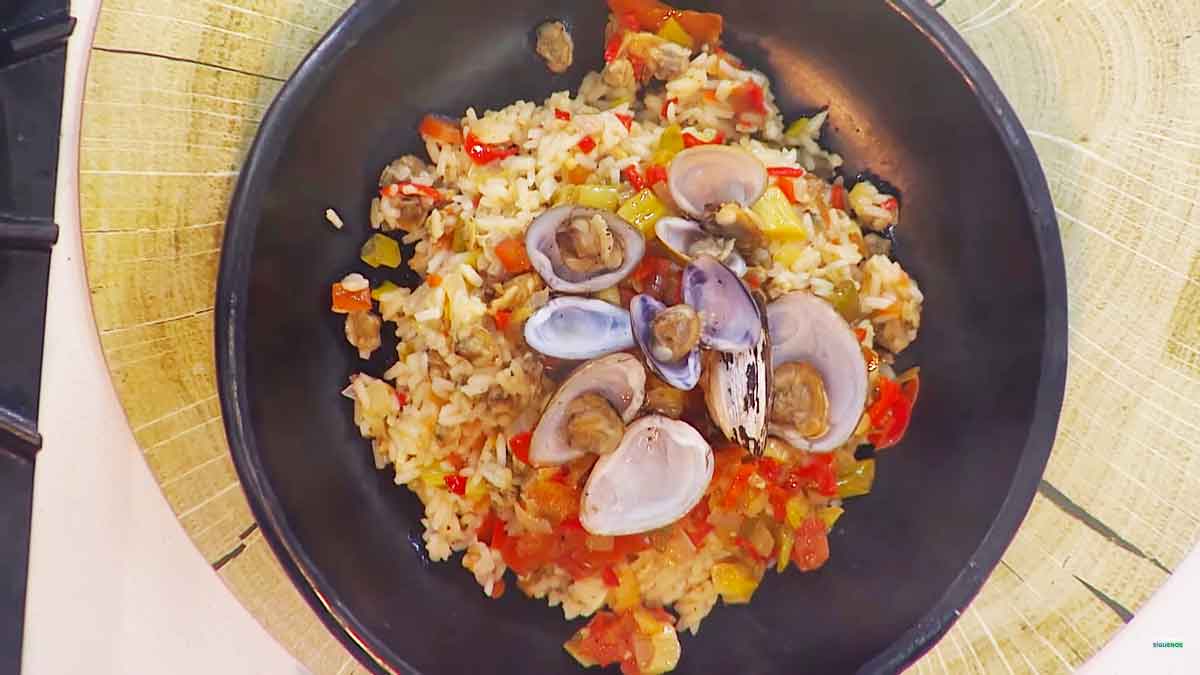
If you want to capture the true, unadulterated essence of the Colombian Caribbean beaches in a single pot, making a traditional Arroz con Chipi-Chipi (Colombian Coquina Clam Rice) is an absolute must. Highly popular in coastal departments like Bolívar, Atlántico, and La Guajira, this rustic rice dish is built around the chipi-chipi—a tiny, colorful, wedge-shaped surf clam found buried in the wet sand right where the ocean waves break.
What these tiny clams lack in size, they more than make up for in massive, concentrated seafood flavor. The culinary secret to this dish is boiling the clams to create a rich, briny seafood broth, which is then carefully strained to remove any residual beach sand. This golden broth is used to simmer the rice along with a generous spoonful of hogao (a traditional Colombian tomato and scallion sofrito). The result is a vibrant, slightly moist (húmedo), and intensely flavorful rice dish that perfectly represents the resourcefulness and magic of Afro-Colombian and Indigenous coastal cooking!
Arroz con Chipi-Chipi (Coquina Clam Rice)
Ingredients
- 1 cup Long-grain white rice
- 3 lbs Fresh Chipi-chipis Coquina clams / Donax clams, in their shells
- 2 cups Water
- ½ cup Hogao Colombian sofrito made of tomatoes, scallions, garlic, and cumin
- Salt to taste
- Black pepper to taste
Instructions
- Purge and wash the clams: Place the chipi-chipis in a colander and rinse them vigorously under cold running water to remove as much loose sand from their shells as possible.
- Boil to open: Transfer the washed clams to a large pot and add the 2 cups of water. Bring to a rolling boil and let them cook for about 10 minutes until the shells pop open.
- Strain and sort: Remove the pot from the heat. Carefully drain the liquid into a separate bowl—do not throw this broth away! Inspect the cooked clams and immediately discard any that did not open during the boiling process.
- Shell and filter: Remove the tiny clam meats from their shells (discard the empty shells). Now, take the reserved clam broth and pass it through a very fine-mesh strainer (or a coffee filter) to remove any residual sand. Return the shelled clam meat to the filtered broth.
- Toast the rice: In a separate heavy-bottomed pot (caldero), add the ½ cup of hogao (sofrito). Stir in the uncooked white rice, salt, and black pepper. Cook over medium heat for about 10 minutes, stirring frequently, to toast the rice slightly and coat it in the flavorful base.
- Simmer the rice: Pour the filtered clam broth and the clam meats into the pot with the rice. Mix well. Let it cook uncovered over medium heat for about 20 minutes until the liquid begins to evaporate and the rice looks mostly dry on top.
- Cover and finish: Once the liquid has reduced, turn the heat down to the absolute lowest setting. Cover the pot tightly with a lid and let it steam for 10 more minutes until the rice is perfectly tender. The final texture should be slightly moist (húmedo), not completely dry. Serve hot!
Video
Notes
- What is a Chipi-chipi?: Known scientifically as Donax trunculus (or Coquina clams in English), these tiny bivalves are famous for digging themselves into the sand right at the shoreline. They are incredibly popular across Latin American beaches.
- The Sand Warning: Because these clams live in the turbulent surf zone, they hold a lot of sand inside their shells. Straining the broth through a fine sieve or a clean cloth in Step 4 is absolutely critical for a pleasant meal!
- A Wayuu Tradition: In the northernmost desert region of La Guajira, Colombia, the indigenous Wayuu people are expert foragers of chipi-chipi, frequently preparing this rice dish during the peak harvesting seasons.
You may also be interested
Corned fish: Traditional Caribbean Sun-Dried Salted Fish
Costillas de Gamitana: Fried Tambaqui Fish Ribs
Sábalo con Coco: Colombian Coconut Tarpon
Pescado en Salsa de Naranja Agria: Colombian Sour Orange Fish