
Cocadas de Panela: Traditional Colombian Coconut Macaroons

If you truly want to experience the vibrant street food culture of the Colombian Caribbean, making a batch of rustic Cocadas de Panela (Colombian Coconut Macaroons) is an absolute must. While there are countless variations of coconut sweets across Latin America, this specific recipe relies heavily on panela—a raw, unrefined cane sugar block that gives these chewy patties their signature deep mahogany color and complex, molasses-like flavor.
Unlike creamy coconut puddings, Cocadas are cooked down until the syrup thickens dramatically. The hot, sticky mixture is then scooped onto a damp surface where it cools and hardens into chewy, rustic, hand-held candies. Here in Cartagena, these iconic sweets are proudly sold year-round by the legendary Palenqueras in the historic Plaza de los Coches. However, during the Semana Santa (Holy Week) celebrations, making homemade trays of Cocadas to gift to your neighbors becomes a beautiful, nationwide tradition. With just four ingredients, you can easily bring this coastal magic into your own kitchen!
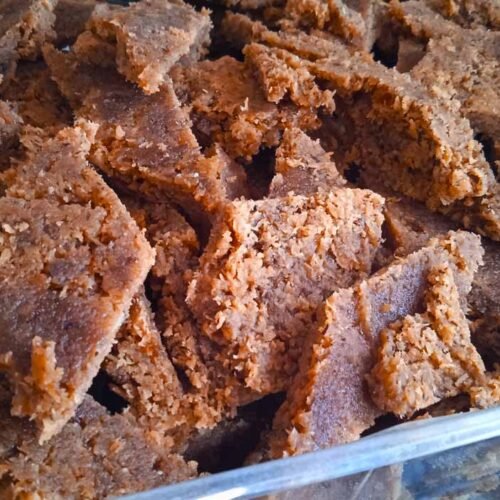
Cocadas de Panela (Colombian Coconut Sweets)
Ingredients
- 2 Large fresh coconuts
- Fresh coconut water (reserved from the inside of the coconuts)
- 2 Blocks of Panela (unrefined cane sugar, approx. 1 lb total)
- 1 Fresh lime
Instructions
- Extract the coconut: Carefully crack open the coconuts, making sure to catch and reserve the natural coconut water inside. Extract the firm white meat and grate it. (Chef's Hack: You can use the coarse or fine side of the grater, depending entirely on whether you prefer chunky or smooth cocadas).
- Start the boil: In a wide, heavy-bottomed pot, combine the grated coconut, the blocks of panela (you can crush or chop them first to help them melt faster), and a small splash of the reserved coconut water. Place the pot over medium heat.
- Simmer and season: As the panela melts into a dark, bubbling syrup, stir the mixture occasionally. Once the syrup starts to thicken heavily, squeeze in the fresh lime juice. This tiny hit of acidity is the ultimate chef's secret to cutting the intense sweetness and preventing the sugar from crystalizing too aggressively.
- Stir constantly to reduce: From this point forward, you must stir constantly with a wooden spoon. You will know the mixture is ready when it pulls away from the bottom of the pot, feels very heavy, and almost all the liquid has evaporated.
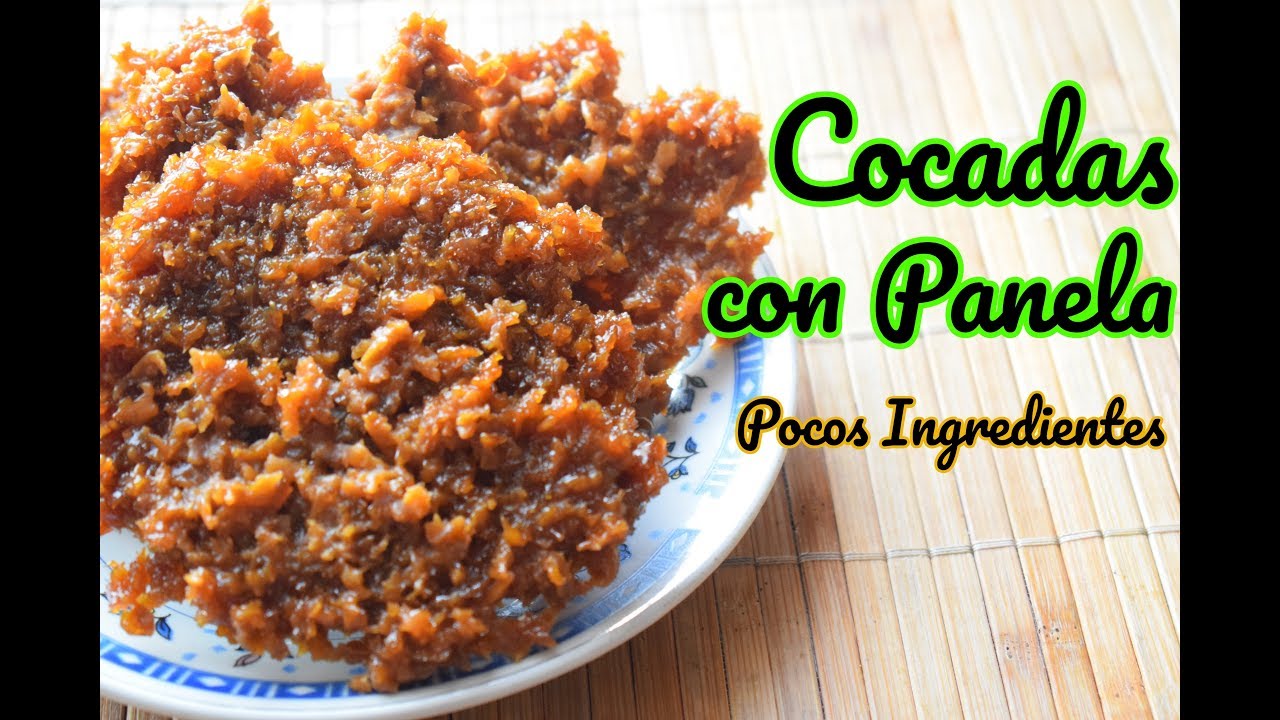
- Shape and cool: Remove the pot from the heat. Lightly dampen a flat, clean surface (like a countertop, a cutting board, or a baking sheet) with a little water. Using a spoon, quickly scoop out small portions of the hot mixture and drop them onto the damp surface, flattening them slightly into rustic patties. Let them cool completely until they set and harden before eating!
Video
Notes
- Panela Aliases: If you are shopping at an international or Hispanic grocery store, panela might go by different names depending on the region. Look for Piloncillo (Mexico), Papelón (Venezuela), or Chancaca (Peru).
- The Sweet Portal: In the walled city of Cartagena, the historic arches where the Palenqueras sell these treats are officially known as the Portal de los Dulces (The Portal of Sweets). It is a mandatory stop for any food lover!
- A World of Variations: While this dark panela version is arguably the most traditional, Colombians also love Cocadas Blancas (made with white sugar), or decadent variations mixed with condensed milk, pineapple, or guava paste.
You may also be interested
Mazamorra de plátano: Sweet Ripe Plantain and Coconut Porridge
Queso de Capa de Mompox: Traditional Layered Mompox Cheese
Ajonjolí Molido: Colombian Toasted Sesame Paste
Dulce de Limón de Mompox: Traditional Candied Mompox Limes