
The Mohán: The Fearsome Spirit of Colombian Rivers
Quick Summary
This creature is highly representative of the folklore from the towns in Tolima, Huila, and those located near the Magdalena River. There are many tales and stories surrounding this character. Below, we present one of the most popular ones.
(Read also: The Legend of the Madremonte)
Legend has it that El Mohán (The Mohan) was an Indigenous sorcerer who lived in the territories that today make up the departments of Tolima and Huila. He was known for his great power over plants and waters. He used this magic to help his community by supporting their harvests, aiding in fishing, and acting as a healer. Additionally, he was known for being quite a romantic who easily fell in love with young women.
It is said that one night, he had a vision about the arrival of the Spanish conquistadors in the Americas and how they would subject his people to all kinds of cruelties. Therefore, he made the decision to take refuge in the underwater caves of the tributaries. He brought treasures to these depths that he wanted to protect at all costs, which are rumored to still remain there. Time passed, and El Mohán became a spirit that wanders through rivers, streams, and lakes.
(Read also: The Legend of the Alligator Man)
Initially, he used to hunt down the Spanish explorers to make them pay for their abuses against the Indigenous people. However, it also became a habit for him to stalk the washerwomen, especially the youngest ones. He would charm them until he dragged them down into the watery depths. Not much is known about the fate of these women, although some claim their lifeless bodies are occasionally found on the banks of the tributaries.
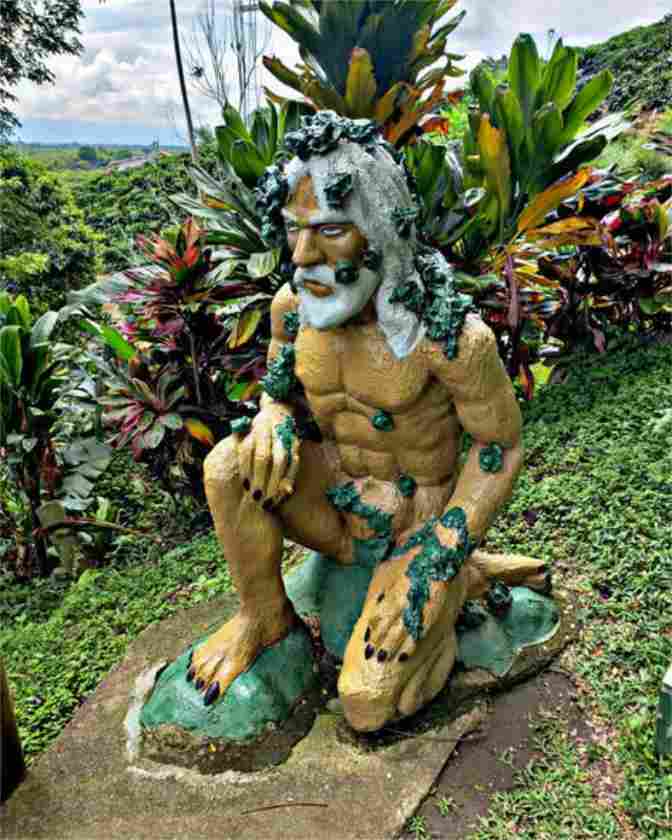
Those who claim to have seen him describe him as a heavyset man with long hair and a beard, covered in moss, leaves, and flowers. He has reddish eyes that strike fear into the hearts of men, and he usually smokes a large cigar.
(Read also: The Arhuaco Myth of the Sun and the Moon)
Occasionally, this being changes his appearance to travel to town markets to buy aguardiente, a strong traditional anise-flavored liquor, and tobacco, as well as to woo women.
Some describe him as a nostalgic man who sails on his raft singing sad and melancholic melodies. Likewise, it is said that he often uses his power over the waters to create waves that overturn fishing chalupas, or small wooden boats, and canoes, ensuring that the nets come up empty.
Fishermen usually take the precaution of bringing aguardiente and tobacco on their fishing trips to deter El Mohán if they happen to run into him. Mothers, on the other hand, warn their daughters not to go to the water alone to avoid being abducted by him.
(Read also: The Legend of the Ciénaga Alligator)
El Mohán is one of the most traditional mythical beings in Colombia. Although his roots are much deeper in the cultures of Tolima, Huila, and the towns near the Magdalena River, today he is known throughout the entire national territory. His impact is so great that in almost every city and town, there are stories about his appearances.
Other Versions of the Legend of El Mohán
This mythological being is one of those with the most versions of legends and stories. This is precisely because of his deep roots in the territory and because it is a tale transmitted orally from generation to generation. In almost any place, from Tolima to Bolívar, you can find a local version of El Mohán.
Some versions point out that he has a completely hairy body with very long nails. Others claim that he has the appearance of an Indigenous man, or that he has a fish’s face and a man’s body. There are even those who mention that his hands and feet are turned backwards.
(Read also: The Legend of La Candileja or the Fireball)
There are stories that speak of the existence of a female version of the creature, called La Mohana or Mojana, who kidnaps men to take them to the bottom of the water. Similarly, there are tales where El Mohán helps fishermen get good catches. On the contrary, he can also prevent them from catching anything, depending on his mood or whether he receives an offering.
Over time, the term “mohán” has also been used to describe those who practiced witchcraft or activities considered as such during that era. A clear example is that of Luis Andreas. He was condemned by the Holy Tribunal of the Inquisition of Cartagena for his worship of the figure of Buziraco, a story told in the legend of the Salto del Cabrón.
Origin of the Legend of El Mohán
It is believed that this character has his origins in the pre-Hispanic era, especially within the Pijao culture. For these communities, the figure of the mohán corresponded to that of a priest or shaman with a very important role. After the conquest, this term was adopted by colonial writers to refer to any witch, sorcerer, spiritual leader, or person who practiced similar trades according to their judgment.
(Read also: The Legend of the Golden Tunjo)
The relevance this figure acquired, both in colonial times and today, caused the birth of multiple variations of the myth. This is proven by the fact that his name was used as an explanation for various natural phenomena or simply to instill fear in the population. For example, it was said that he chased those who did not attend Mass, or he was blamed for floods.
What Does El Mohán Look Like?
In the most well-known version, he is described as a heavyset man with long hair and a beard, covered in moss, leaves, and flowers. He has reddish eyes, is frequently seen smoking a large cigar, and occasionally takes human form to buy liquor.
At other times, he is portrayed as an anthropomorphic figure, a mix between a fish and a human.
Where Does El Mohán Appear?
He almost always appears on the banks of rivers, streams, and lakes, especially in the territories of Tolima and Huila. Likewise, he is strongly linked to the towns near the Magdalena River, a watercourse closely tied to his history.
(Read also: The Myth of Bachué: The Progenitor Goddess of Humanity (Muiscas))
How to Protect Yourself from El Mohán
The greatest protection against this being is to live far away from the tributaries. However, you can also offer him tobacco, aguardiente, or salt. Since these are to his liking, they serve to distract him, thus preventing him from causing any harm.
Tributes and Representation of El Mohán in Popular Culture
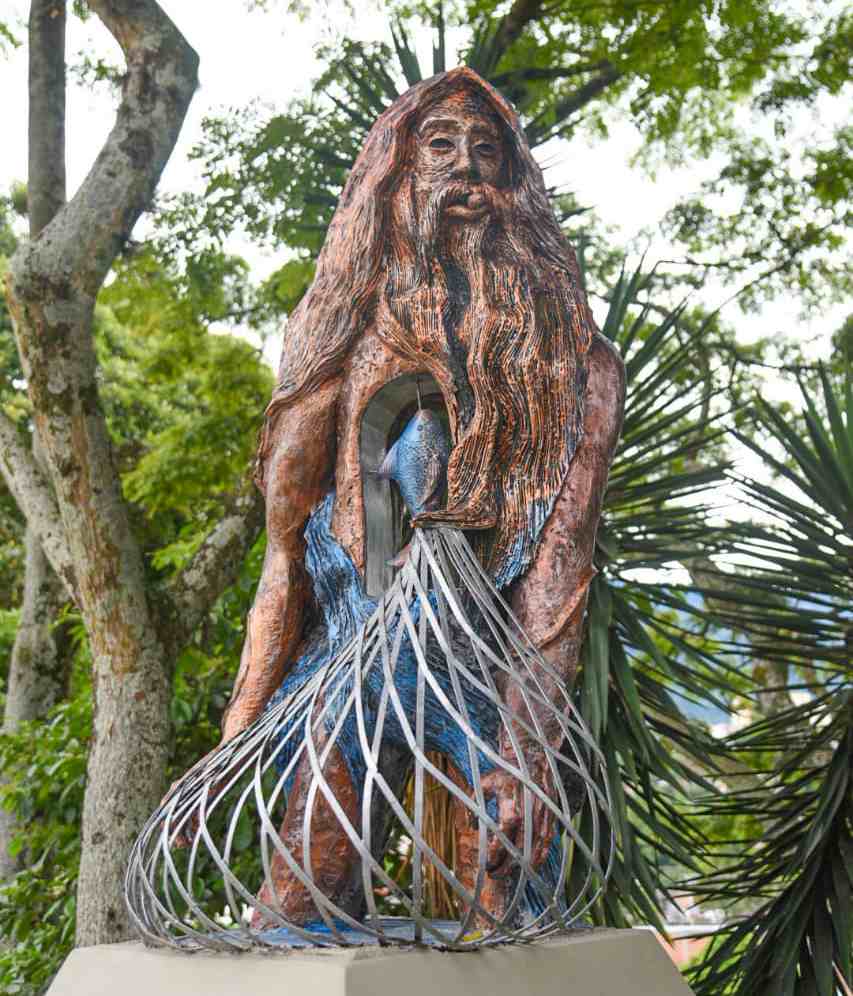
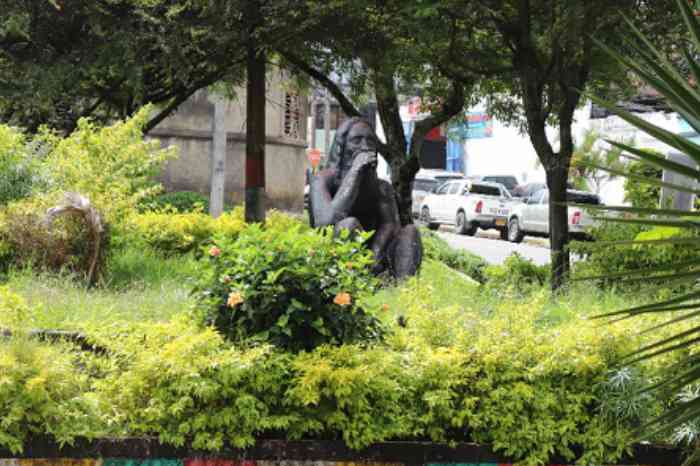
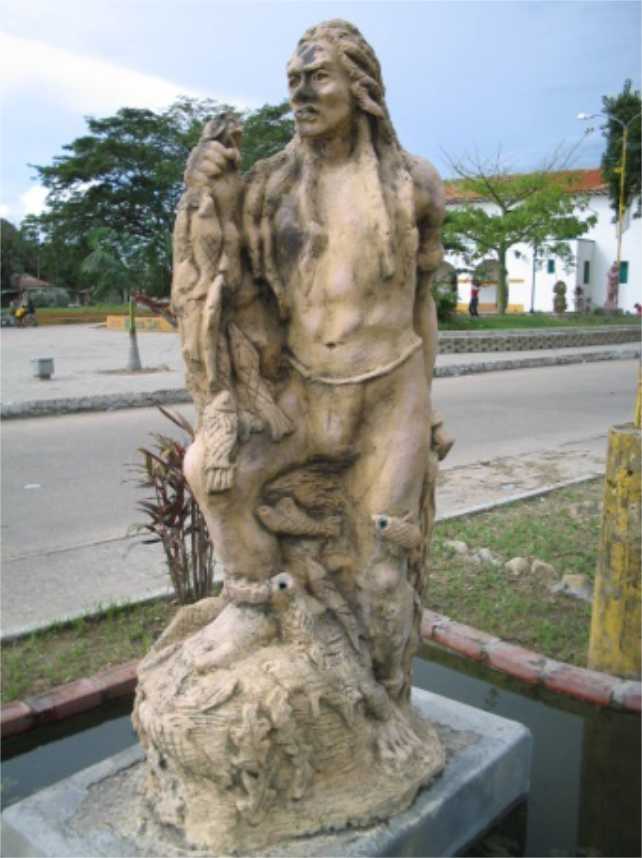
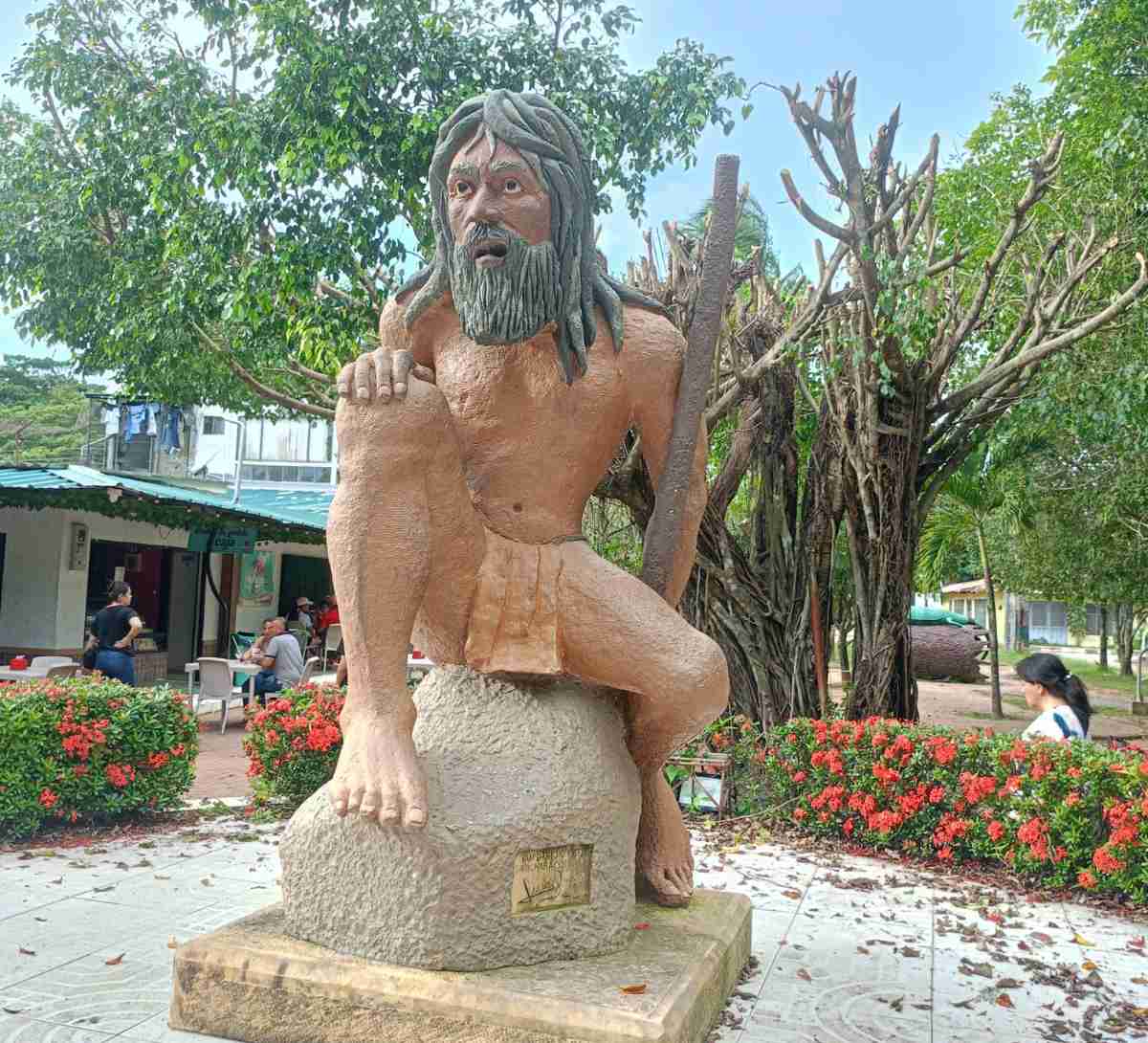
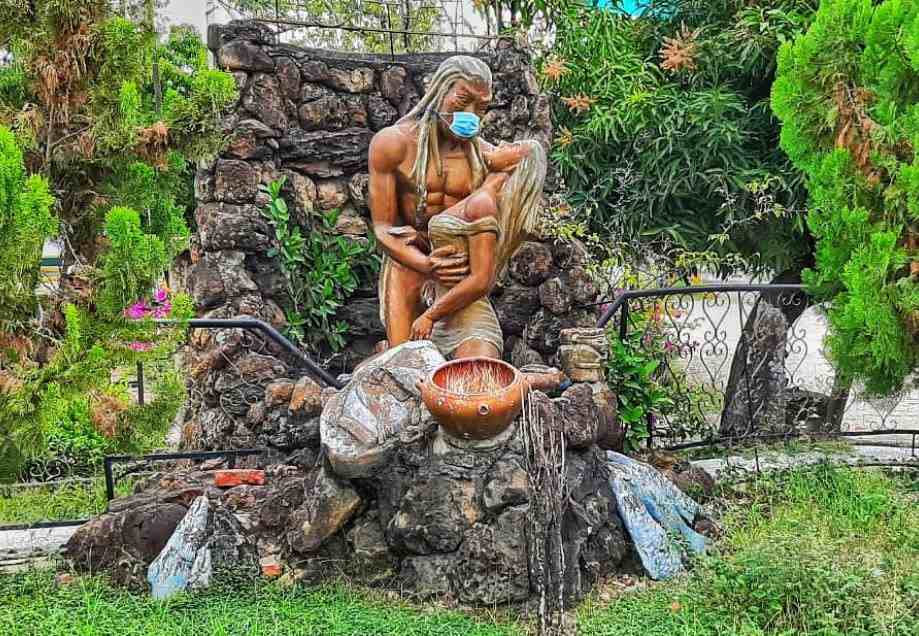
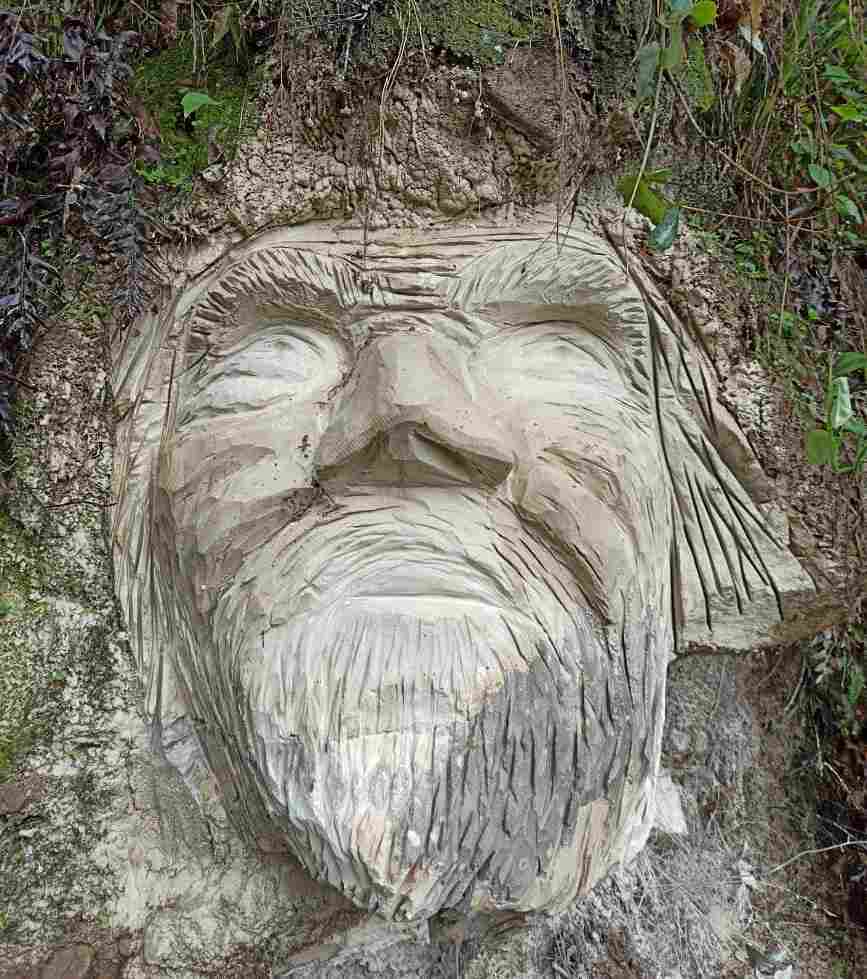
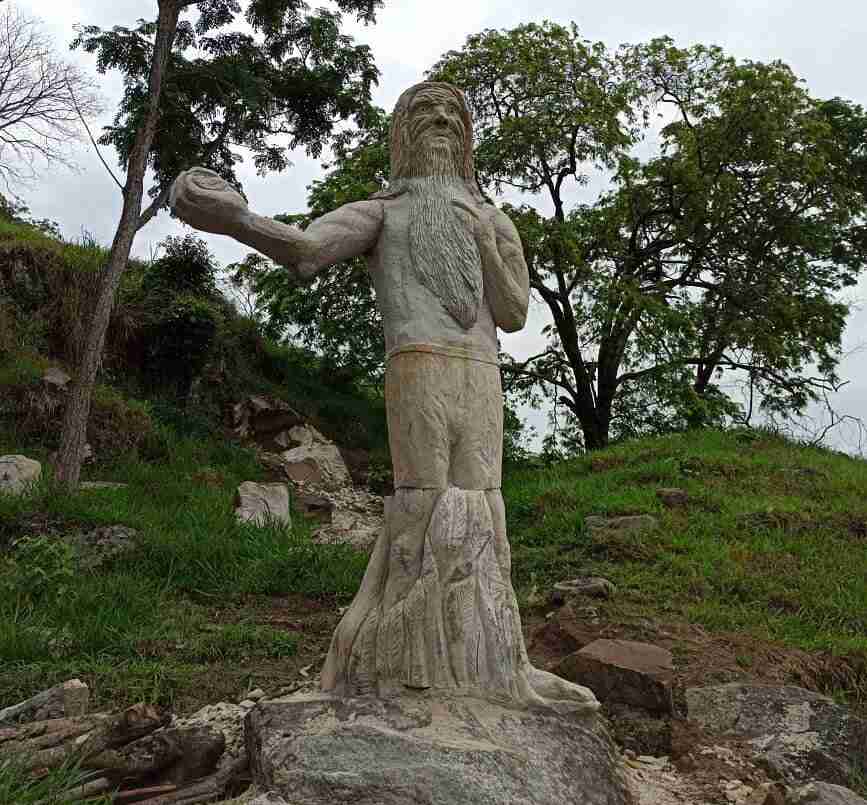
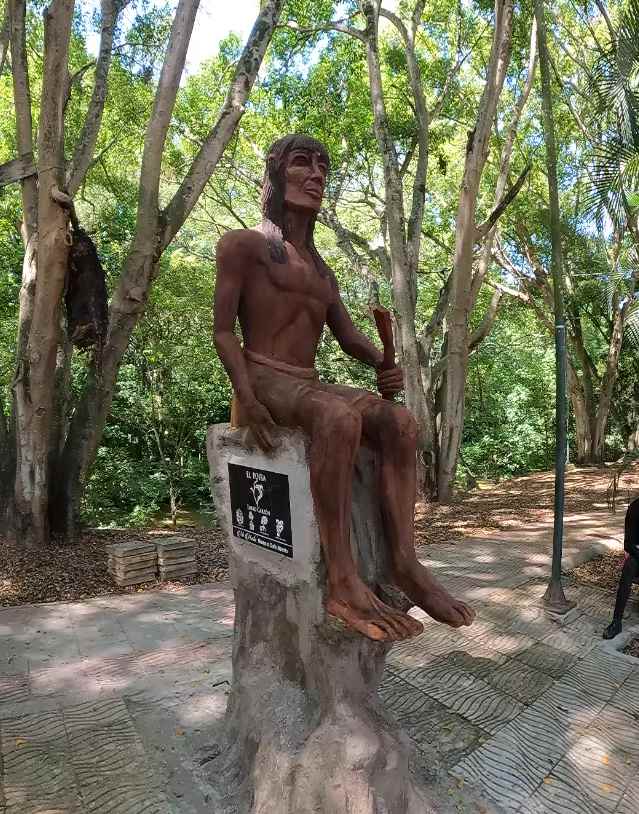
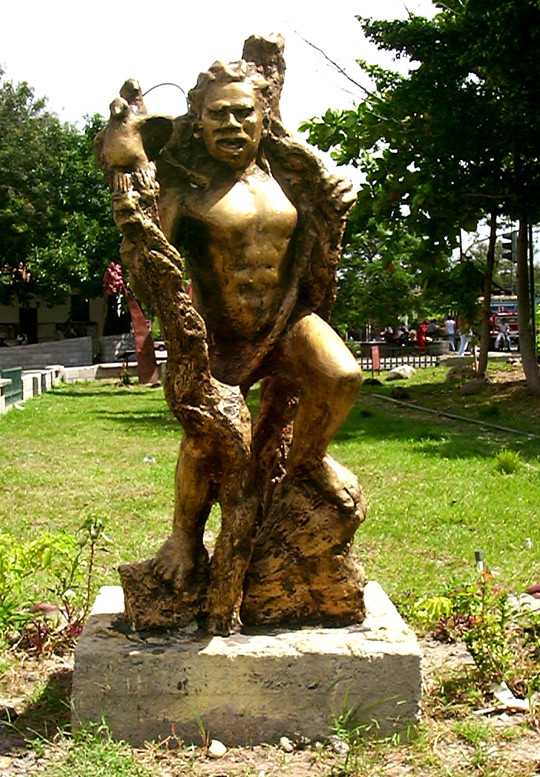
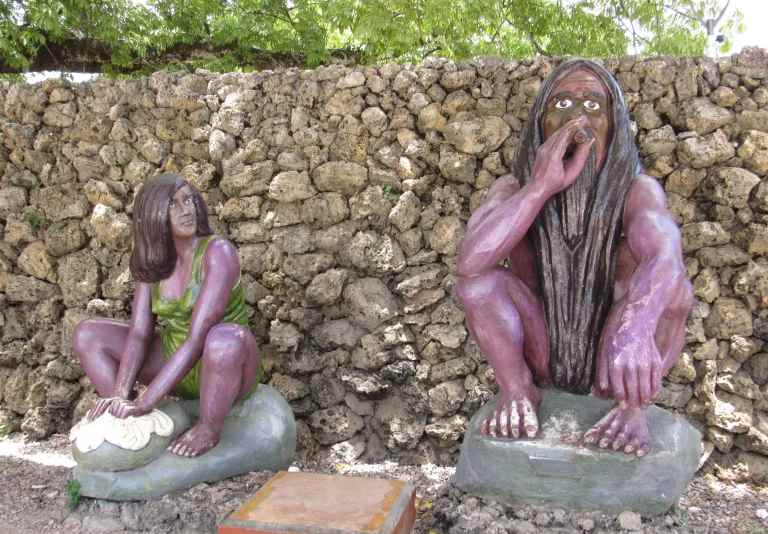
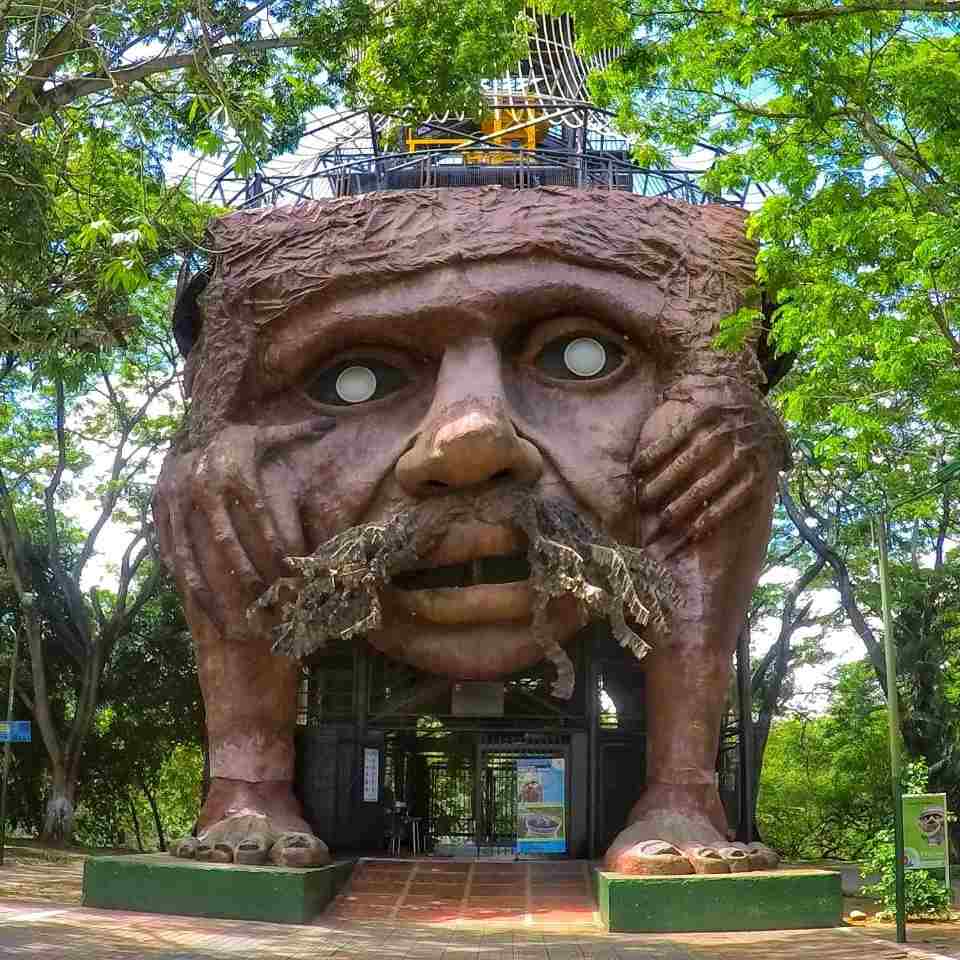
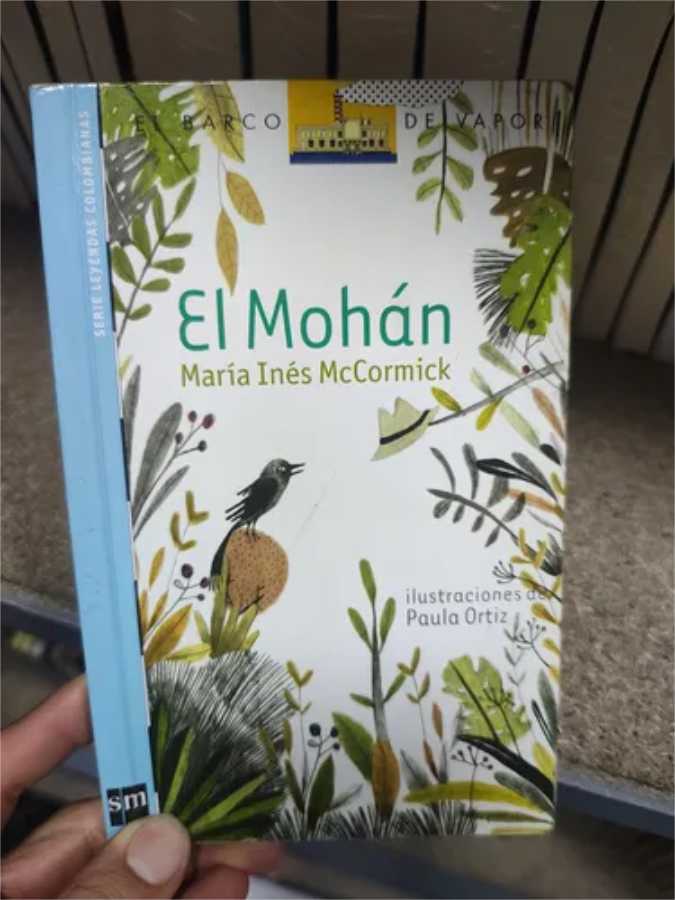
The figure of El Mohán remains very present in the imagination of Colombians. In many towns, the myth is still alive, and people continue to claim they have witnessed his appearances. Nevertheless, his influence has reached even further, with multiple references in the cultural sphere. Proof of this can be seen in the sculptures erected in various parks across Colombia, the River and Mohán Festival in La Caimanera (Espinal), and even literary works such as El Mohán (2012) by María Inés McCormick and the novel El Mohán (2019) by John M3 Frame.

Frequently Asked Questions
Is the Mohán a Myth or a Legend?
The Mohán is primarily considered a legend, as his tales are usually set within a specific time and space. However, due to his tremendous significance in Colombian culture and the diversity of versions regarding his origin, he can also be considered a mythological being. Because of the ambiguity surrounding him, it is difficult to place him into a single category. Still, in the strictest sense of these classifications, "legend" is the most appropriate term.
What is the Mohán?
He is a mythological being—a fantastic creature—who inhabits the waterways of Colombia, especially the Magdalena River. The term "mohanes" is also used to describe those who practice witchcraft, shamanism, Indigenous rituals, or traditional healers who use medicinal plants.
Where is the Mohán From?
The legend of the Mohán originates in Colombia. It comes primarily from the Indigenous Pijao culture in what was formerly known as "Tolima Grande," an area that currently encompasses the departments of Huila and Tolima. It is also a deeply rooted legend in the towns near the Magdalena River. Because of this, his presence is felt in many departments, such as Cundinamarca, Caldas, Antioquia, Santander, Boyacá, Cesar, Magdalena, Bolívar, and Atlántico.
Where Does the Mohán or Poira Live?
He lives in underwater caves within rivers, streams, lakes, or large bodies of water. The Magdalena River is said to be his main home.
What Does the Mohán Do?
He usually kidnaps young women, especially virgins, who go to the riverbanks to wash clothes. He is also known to interfere with fishing trips. He can cause fishermen to catch absolutely nothing, or he can bless them with an abundant catch. Sometimes, he even overturns the boats they travel in. All of this depends entirely on his current mood or whether he is given an offering.
También te puede interesar
The Legend of The Patetarro: The Foul-Smelling Spectre of Colombia
Legend of the Christ of the Expiration of Cartagena
Myth or Legend of The Mother of the Forest (La Madremonte)
Legend of The Patasola (The One-Legged Woman)