
Lengua Puyada: Colombian Stuffed Beef Tongue
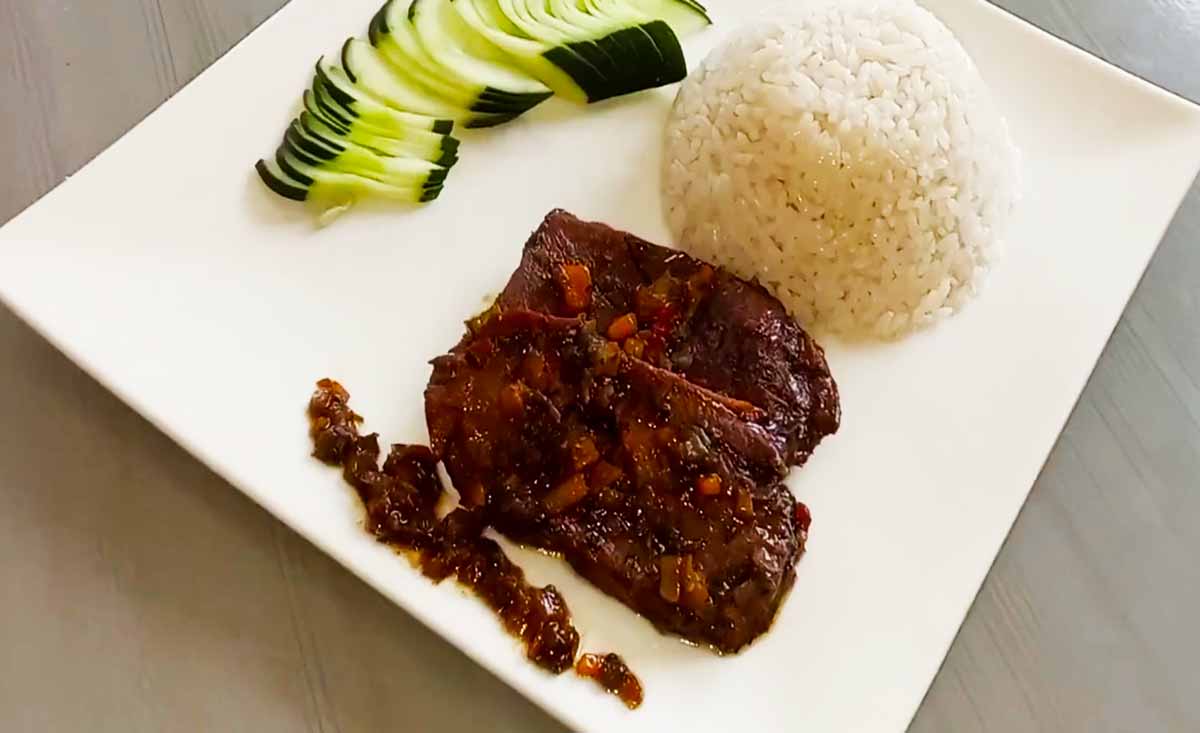
Lengua Puyada is an incredibly popular and deeply traditional dish on the Caribbean coast of Colombia, frequently reserved for special occasions, elegant dinners, and celebrations. The name comes from the culinary technique of puyar—making deep incisions in a tough cut of meat and aggressively stuffing them with a rich mixture of seasoned vegetables before slow-cooking.
The secret to this 3-and-a-half-hour recipe is the cleaning and the marination. Beef tongue requires thorough tenderizing and peeling. By creating a vegetable and spice paste, stuffing it deeply into the core of the tongue, and letting it rest for an hour before slow-cooking, the meat absorbs an unbelievable amount of flavor from the inside out!
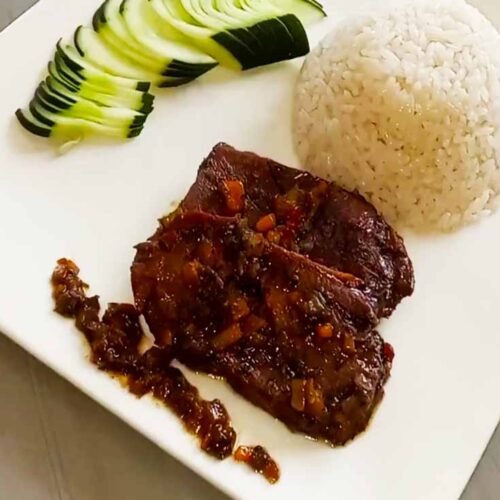
Lengua Puyada (Colombian Stuffed Beef Tongue)
A Caribbean feast for special occasions! Slow-cooked beef tongue, deeply stuffed with a rich vegetable marinade and served in a thick, savory sauce.
Ingredients
- 1 Large Beef Tongue Lengua de res
- 2 Tomatoes Finely chopped
- 2 Bulb onions Finely chopped
- 4 Sweet peppers Ajíes dulces, finely chopped
- 5 Garlic cloves Finely minced
- 1 Carrot Finely chopped
- 3 tablespoons Fruit vinegar
- 1 tablespoon Tomato paste
- 1/2 cup Breadcrumbs Miga de pan
- 1 teaspoon Hot pepper/Cayenne
- 2 teaspoons Cumin
- 2 tablespoons Cooking oil
- Limes/Lemons For washing
- Salt to taste
Instructions
- Tenderize the meat: The very first step is to pound the whole raw beef tongue with a heavy kitchen mallet (or the heavy back of a thick knife) to start tenderizing the tough muscle fibers.
- Clean and peel: You must remove the tough outer skin. You can quickly sear it over high heat to blister the skin, then peel it and wash it thoroughly with lime juice until the meat turns pale. (Chef's Hack: The easiest method is to boil the tongue in water for exactly 10 minutes. Remove it, use a knife to easily peel off the skin, scrub it with lime juice, and set it aside!)
- Prepare the stuffing: In a large mixing bowl, combine the finely chopped onions, ajíes dulces, garlic, tomatoes, and carrots. Add the fruit vinegar, hot pepper, cumin, and salt to taste. Mix well into a chunky marinade.
- "Puyar" (The Stuffing Technique): Take a sharp knife and make several deep incisions (puyadas) all over the cleaned beef tongue. Vigorously stuff your chopped vegetable mixture deep into these cuts. Once fully stuffed, let the tongue rest and marinate for exactly 1 hour.
- The Slow Cook: Place the stuffed tongue into a large pot with 2 ½ cups of water. Cover and let it cook over medium heat for about 2 hours and 30 minutes until it is completely tender and soft. (Chef's Hack: If using a pressure cooker, you can drastically reduce this time to just 40 minutes to 1 hour after it starts whistling!)
- Slice: Once perfectly tender, remove the tongue from the broth. Let it rest for a moment, then slice it into thick medallions. Reserve the meat.
- Thicken the sauce: In the exact same pot containing the remaining cooking broth, add the tomato paste, the cooking oil, and the breadcrumbs. Stir and cook for 5 minutes until it forms a thick, rich gravy.
- Final simmer and serve: Drop the sliced tongue medallions back into the thickened sauce. Let everything simmer together for 2 final minutes. Serve immediately, traditionally accompanied by a generous portion of fluffy white rice!
Notes
- The Definition of “Puyada”: In the Colombian Caribbean, the term “puyada” (derived from puyar, to prick or stab) specifically refers to this culinary technique of piercing a large cut of meat to introduce vegetables, condiments, or other ingredients directly into its center.
- The Beer Trick: If you want to elevate the flavor profile even further, swap out ½ cup of the cooking water in step 5 for ½ cup of standard lager beer!
- A Festive Dish: Because of the extensive preparation and cooking time, this isn’t a casual weekday lunch; it is highly respected as a dish for Sundays, holidays, and impressing guests!
You may also be interested
Friche: Traditional Wayuu Fried Goat and Blood Stew
Torta de Ñame: Colombian Stuffed Yam Pie
Cabrito Asado: Colombian Roasted Kid Goat
Capón Relleno: Colombian Stuffed Beef Roast (Muchacho Relleno)