
Mamona o Ternera a la Llanera: The Ultimate Colombian Cowboy BBQ
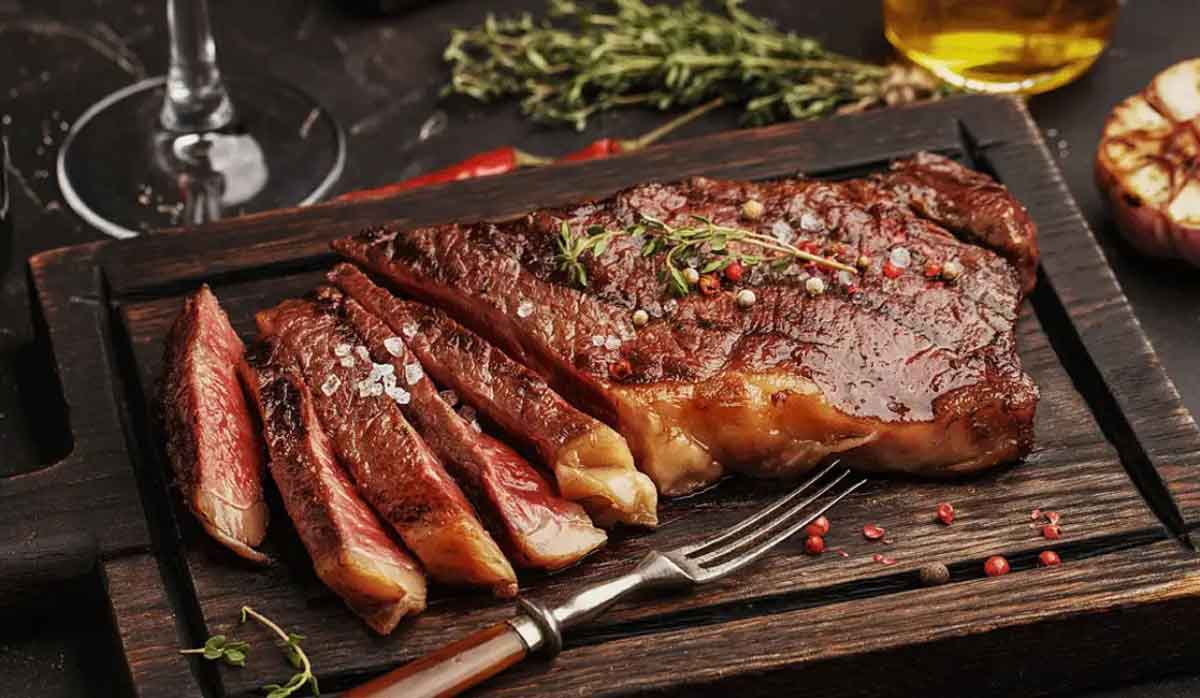
Welcome to the vast, open horizons of the Llanos Orientales (Eastern Plains) of Colombia. Here, barbecue is not just a cooking method; it is a ritual, a celebration, and a way of life. Mamona, also known as Ternera a la Llanera, is the crown jewel of Llanero gastronomy. Traditionally prepared for weddings, town festivals, and massive family gatherings, this dish is the definition of communal dining.
The secret to authentic Mamona lies in two things: the meat and the fire. The term “Mamona” refers to a young, unweaned calf (veal), ensuring the meat is incredibly tender. Unlike American BBQ which often uses smokers, this is cooked vertically on large metal or wooden skewers arranged in a circle around an open bonfire. The result is a smoky, salty, and succulent meat that captures the rugged spirit of the Colombian cowboy. While traditionally seasoned only with salt to let the natural flavor shine, modern variations incorporate beer and herbs for a savory twist.
Llanos-Style Veal (Mamona or Ternera a la Llanera)
Ingredients
- 1 Young Veal Calf Ternera, cut into traditional primal cuts (See notes).
- 1 can Beer Lager style, optional for marinade.
- Salt To taste, preferably coarse sea salt.
- 5 Long wooden poles must be odorless wood or iron rods (Chuzos).
Step-by-step preparation
- You have two distinct paths for flavor.The Traditional Way: For the purist experience, season the meat on the same day you cook it, using only salt. This highlights the natural flavor of the high-quality veal.The Modern Way: For extra depth, marinate the meat the day before. Rub the cuts with salt, your choice of condiments/spices, and a can of beer. Let it rest overnight to absorb the flavors.
- Thread the large cuts of meat onto the special wooden poles or iron rods. In the Llanos, the meat is arranged vertically around a bonfire.The Fire: Build a bonfire using wood that produces good embers.The "Burro": Place the skewers into the ground or a special metal frame (often called a burro) surrounding the fire. The meat should not touch the flames directly; it cooks via the radiant heat of the glowing embers.
- Cook the meat slowly. You must ensure you have enough charcoal or wood to maintain steady heat throughout the entire process (usually several hours).Chef’s Tip: Monitor the distance. If the fire gets too hot, move the skewers back slightly.
- Do not cut, slice, or poke the meat while it is cooking. Keeping the large primal cuts whole during the roasting process seals in the juices. If you cut it too early, the meat will dry out. Only slice the meat once it is fully cooked and ready to be served immediately.
Interesting Facts
- If using wood for the fire or the skewers, avoid resinous trees. In Colombia, we use specific woods like Guayacán, Yopo, or Guamo. Using the wrong wood can make the meat taste bitter or acrid.
- While this dish was born in the Eastern Plains, its popularity has spread across the entire country. You will find Asaderos (Grill houses) serving Mamona in Bogotá, Medellín, and beyond.
- Mamona is traditionally served with boiled yuca (cassava), boiled potatoes, and Ají (Colombian salsa). No utensils are required if you want the full rustic experience!