
Mongo Mongo: The Legendary Slow-Cooked Colombian Fruit Jam
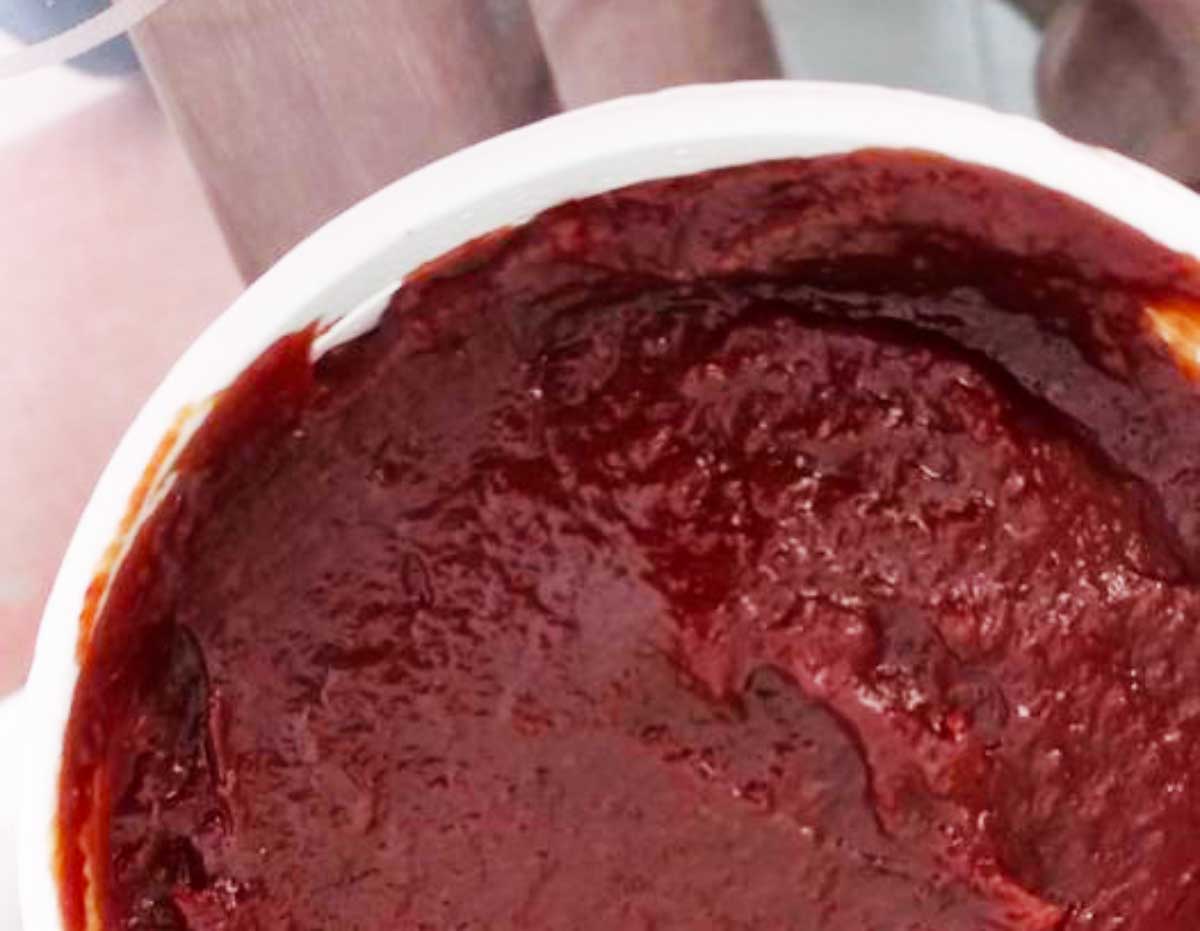
Deep in the Colombian Caribbean, Holy Week isn’t just a time for reflection; it’s a marathon of traditional sweet-making. The crown jewel of these culinary efforts is Mongo mongo (also famously known as Calandraca Sucreña). This isn’t your average quick fruit preserve. It is an epic, slow-cooked fusion of seven different tropical fruits—including plantains, mamey, guavas, and mangoes—simmered with unrefined cane sugar and warm spices for over 36 hours!
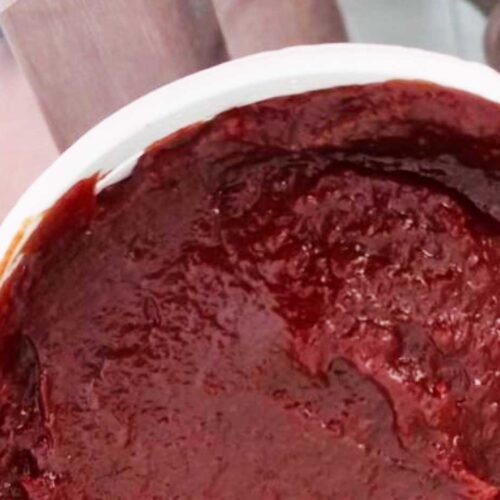
The result of this incredible labor of love is a thick, dark mahogany paste with a complex sweet, tart, and deeply spiced flavor profile. Because it requires such a massive time commitment, it is inherently a communal dish; families often take turns stirring the giant pots over the fire, later sharing the harvest with their neighbors. Enjoyed cold with a slice of salty coastal cheese or crispy cassava flatbread, this is the ultimate taste of Colombian tradition.
Mongo Mongo (Traditional 7-Fruit Jam)
Ingredients
- 4 Ripe plantains
- 3 Green plantains can substitute with 3 more ripe plantains
- 4 Ripe mangoes
- 1 Small pineapple
- 1 Small papaya about 1 lb
- 6 Ripe guavas
- 1 Large ripe mamey Mamey sapote
- 1.5 lbs Panela Unrefined cane sugar, either in blocks or pulverized
- 5 Whole cloves
- 1 Large cinnamon stick
- 5 Whole allspice berries ground
- Black pepper to taste
Instructions
- Prep the plantains: Peel the ripe plantains and carefully remove the dark central core where the seeds are located.
- Mash the plantains: Grind or mash both the ripe and green plantains thoroughly. Set them aside.
- Process the tropical fruits: Peel the remaining fruits (pineapple, papaya, guavas, mamey, and mangoes). Working one by one, either grate or blend each fruit separately. Do not mix them at this stage. Set them aside in individual bowls.
- Prep the sugar: If using solid blocks of panela, grate it finely and set aside. (You can skip this if using pre-pulverized panela).
- Combine in a massive pot: In a very large, heavy-bottomed pot over high heat, combine all the individually processed fruits, the mashed plantains, the panela, and the spices (cloves, cinnamon stick, ground allspice, and a pinch of black pepper). Stir everything together using a large wooden spoon.
- The legendary long simmer: Once the mixture comes to a boil, reduce the heat to the absolute minimum. Now begins the cooking process, which lasts for at least a day and a half (36 hours). You must stir constantly to prevent the dense fruit puree from sticking or burning. (Chef's Hack: If cooking for 36 hours straight is impossible, you can turn off the heat overnight, let the mixture rest, and resume cooking the next day. Some families stretch this process over 2 to 3 days using this stop-and-go method).
- Check for doneness: The Mongo mongo is ready when it transforms into a deep, dark brown color and releases an incredibly fragrant, spiced aroma.
- Cool and serve: Let the jam cool down completely before transferring it to glass jars or containers. Store it in the refrigerator. To eat it like a true Colombian, serve it alongside a slice of salty Queso Costeño (Colombian coastal cheese) or spread over Casabe (crispy cassava flatbread).
Notes
- A Sucreña Specialty: While popular across the coast, in the Colombian department of Sucre, this legendary treat is deeply revered and known by the local name Calandraca Sucreña.
- The Art of Sharing: During Holy Week in Colombia, preparing large batches of sweets is never just for one house. It is a cherished cultural tradition to exchange these desserts with family, friends, and neighbors to celebrate the season.
- Why so many plantains?: The high starch content in the plantains (especially the green ones) acts as a natural thickener, binding all the different fruit juices together into a sliceable, dense paste without needing added commercial pectin.
You may also be interested
Mazamorra de plátano: Sweet Ripe Plantain and Coconut Porridge
Queso de Capa de Mompox: Traditional Layered Mompox Cheese
Ajonjolí Molido: Colombian Toasted Sesame Paste
Dulce de Limón de Mompox: Traditional Candied Mompox Limes