
Natilla Colombiana: Traditional Colombian Custard
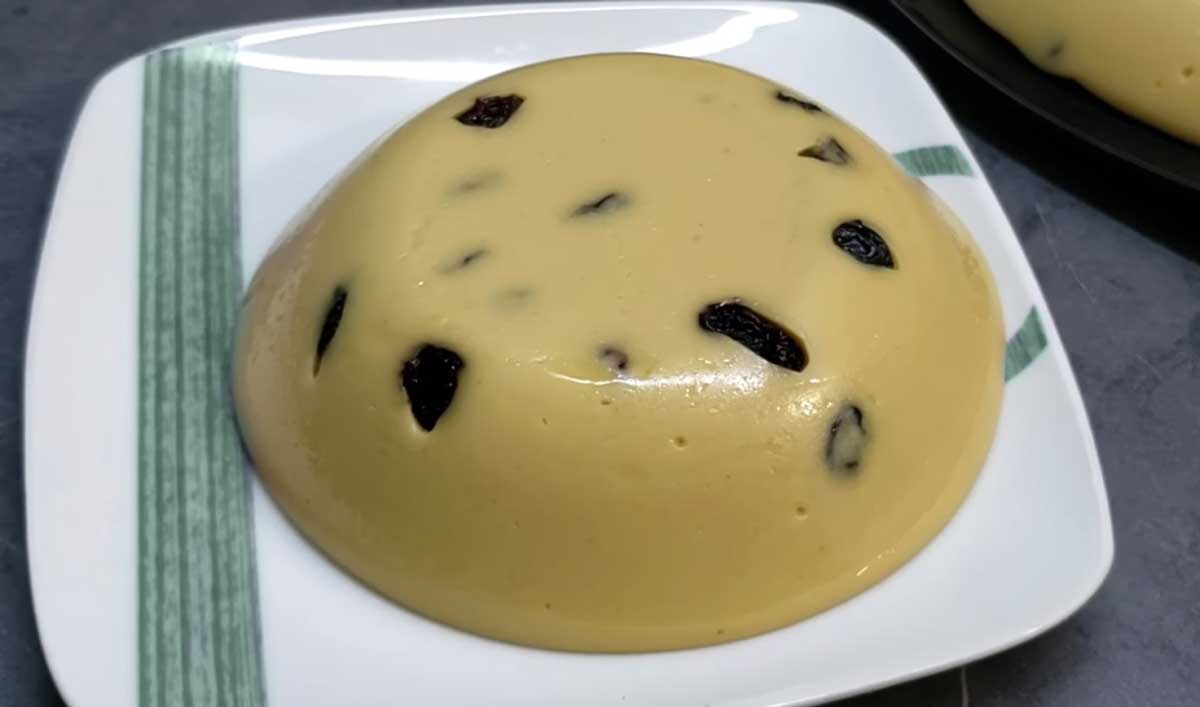
Natilla (Traditional Colombian Custard) is the ultimate, undisputed king of Colombian desserts, deeply ingrained in the culture of the Andean region and strictly mandatory nationwide during Christmas celebrations.
The secret to this recipe depends on your approach. The ancestral, labor-intensive method requires grinding and soaking real white corn. However, modern kitchens have popularized a lightning-fast 35-minute alternative using cornstarch, delivering that same iconic, sliceable, sweet panela custard without the multi-day effort!
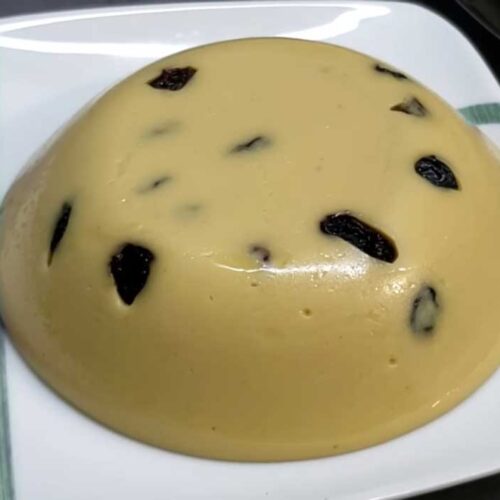
Natilla Colombiana (Traditional Colombian Custard)
Colombia's iconic holiday dessert! A rich, sliceable custard sweetened with panela and cinnamon. (Includes both traditional corn and modern cornstarch methods).
Ingredients
Option 1: Traditional White Corn Ingredients
- 1 lb White corn Maíz blanco
- 9 cups Milk
- 1 cup Water
- 1 block White or brown Panela Unrefined cane sugar
- Cinnamon sticks To taste
Option 2: Modern Cornstarch Ingredients
- 2 cups Cornstarch Fécula de maíz / Maizena
- 8 cups Milk
- 1 lb Panela Unrefined cane sugar
- Cinnamon sticks To taste
Instructions
Option 1 (Traditional Corn Method)
- Soak and prep: The very first step is to cook the raw white corn until slightly soft, then leave it soaking in water overnight.
- Grind and strain: The next day, grind the soaked corn. Dissolve the resulting mass in a mixture of the milk and water. Pass this liquid through a fine strainer or sieve to separate the bran (afrecho). You must regrind the bran, dissolve it again, and strain it repeatedly until only the empty corn husks remain.
- Cook the custard: Pour the resulting strained liquid into a large pot over medium heat. Add the cinnamon sticks and the previously grated panela.
- Thicken: The natilla will slowly begin to thicken. Lower the heat if necessary. You must stir continuously with a wooden spoon until it reaches its setting point (dar punto). You will know it is ready when you scrape the bottom of the pot with the spoon and can clearly see the bottom.
- Set and serve: Remove from the heat, pour immediately into dry, heat-resistant molds, and let it cool until firm enough to slice!
Option 2 (Modern Cornstarch Method)
- Heat the base: Place 6 cups of the milk into a pot over medium heat alongside the cornstarch, stirring constantly and skimming off any foam that forms.
- Dissolve the panela: In a separate container, dissolve the grated or crushed panela in the remaining 2 cups of milk. Add this sweetened milk mixture to the main pot, along with the cinnamon sticks.
- Thicken: Lower the heat. Continue cooking and stirring the mixture vigorously and continuously until the cornstarch thickens and the custard reaches its setting point.
- Set and serve: Pour the hot mixture directly into heat-resistant molds, let it set until cool and firm, and serve!
Notes
- The Christmas Staple: While enjoyed year-round, Natilla officially transforms into Colombia’s quintessential Christmas dessert in December, where it is religiously served on the same plate alongside warm, savory Buñuelos.
- Customizing the Flavor: The base recipe is just the beginning! Many families traditionally mix in freshly grated coconut, raisins, a pinch of cloves, or even a generous 1/2 cup of aguardiente (anise spirit) for a unique kick. It can also be served bathed in a delicate orange blossom syrup (almíbar de azahar).
- International Cousins: Variations of “natilla” or similar milk custards exist in almost every Latin American country and Spain, though the Colombian use of dark panela and its uniquely firm, sliceable texture sets it distinctly apart.
You may also be interested
Mazamorra de plátano: Sweet Ripe Plantain and Coconut Porridge
Queso de Capa de Mompox: Traditional Layered Mompox Cheese
Ajonjolí Molido: Colombian Toasted Sesame Paste
Dulce de Limón de Mompox: Traditional Candied Mompox Limes