
Quesillo Colombiano: Huilense Artisan Elastic Cheese
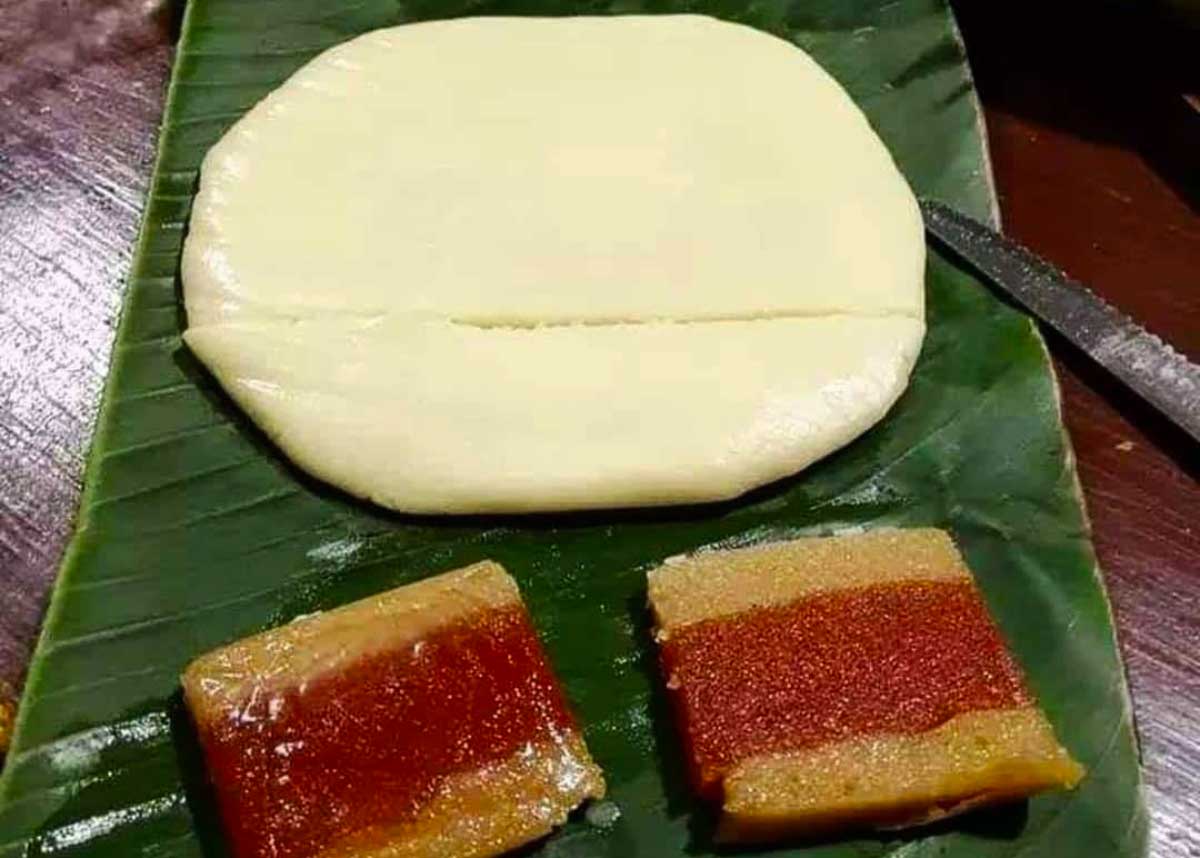
Quesillo Colombiano (also famously known as Quesillo Huilense or Yaguareño) is a highly traditional, artisanal cheese originating from the “Tolima Grande” region (encompassing the Tolima and Huila departments). It is beloved for its smooth, stretchy, and elastic texture, always sold beautifully wrapped in green plantain leaves.
The secret to this 1-hour and 20-minute artisan recipe is using fresh, unpasteurized milk and carefully curdling it. The magic happens during the cooking process: the curds are heated over low heat and beaten constantly for a full 30 minutes with a wooden paddle until the cheese develops its signature shiny, elastic stretch!
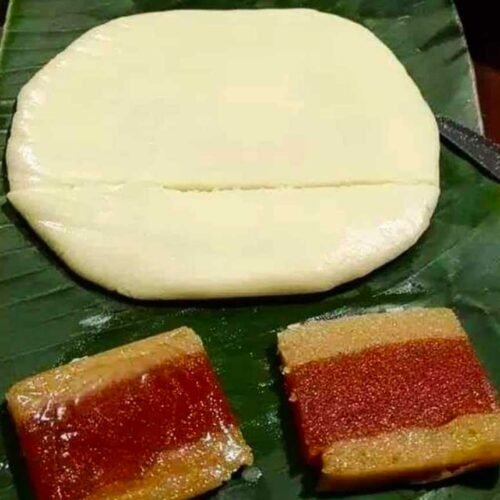
Quesillo Colombiano (Huilense Artisan Cheese)
A traditional, elastic artisan cheese from Huila! Fresh unpasteurized milk curdled and beaten over low heat until stretchy, then wrapped in plantain leaves.
Ingredients
- 20 Liters Fresh unpasteurized milk Leche cruda
- ½ Rennet tablet Pasta de cuajo
- Plantain leaves Specifically hoja de cachaco or bijao
- Cooking twine or string Pita para amarrar
Instructions
- Heat the milk: The very first step is to place the 20 liters of fresh, unpasteurized milk into a very large pot. Heat it gently until it reaches exactly 90°F (32°C) and maintain that temperature.
- Curdle: Incorporate the 1/2 tablet of rennet (cuajo) into the warmed milk. Let the mixture sit undisturbed for about 30 minutes until it fully curdles.
- Melt and stretch: Once curdled, transfer the cheese curds into a wide pan over low heat. Begin beating the mixture constantly with a large wooden spatula. You must continue beating for 30 minutes to prevent sticking and to develop the unique, stretchy elasticity that characterizes this cheese.
- Check the texture: When the melted cheese mixture takes on a silky, brilliantly shiny appearance, it has reached its perfect point (está a punto).
- Wrap and serve: Remove the hot quesillo from the pan and distribute it directly onto the fresh plantain leaves. Let it cool slightly to set its shape, then wrap the leaves tightly around the cheese and tie them with the string. You can eat it warm and fresh, or let it cool completely! (Chef's Hack: For the ultimate Colombian snack, serve slices of this savory cheese with sweet guava paste or arequipe).
Notes
- Specific Wrapping: Traditionally, this quesillo is wrapped in cachaco leaves, which come from a specific species of somewhat small plantain plants.
- International Context: Recipes for “quesillos” exist in several countries, including Venezuela, Mexico, Chile, and Nicaragua, each with distinctive methods. In Colombia, it is deeply traditional to the Huila region, especially in municipalities like Yaguará and Hobo.
- Accidental Invention: In Yaguará, there is a monument honoring the quesillo yaguareño and Antonina Falla, who is considered the pioneer and creator of the current recipe. It is said that Doña Antonina was preparing cuajada (fresh curd) when the preparation accidentally melted; noticing how it stretched, she consolidated the recipe we know today.
- Serving Preference: You can enjoy these quesillos warm right after they are prepared, or fresh later in the afternoon, depending entirely on your personal taste.
- Street Culture: In the “Tolima Grande” region—especially in Yaguará, Hobo, and other towns in Huila—it is very common to see vendors selling these quesillos in public plazas and on buses, carrying them in colorful baskets.
- Festival Heritage: During the tourism festivities and beauty pageant in Yaguará, a “Festival del Quesillo” is held. The best gastronomic samples are showcased, and they even create a giant quesillo each year, striving to break the record for the largest in the world.
- Other quesillos: Another incredibly famous variation of pulled/layered cheese in Colombia is the quesito de capa from Mompox!
You may also be interested
Diabolines: Colombian Cassava & Cheese Bites
Bolitas de Yuca en Miel: Colombian Sweet Cassava & Cheese Balls
Almojábanas Costeñas: Colombian Caribbean Cheese Rings
Bizcochos de Achira: Traditional Colombian Achira Biscuits