
Arroz con Coco y Uvas Pasas: Traditional Colombian Coconut Rice with Raisins
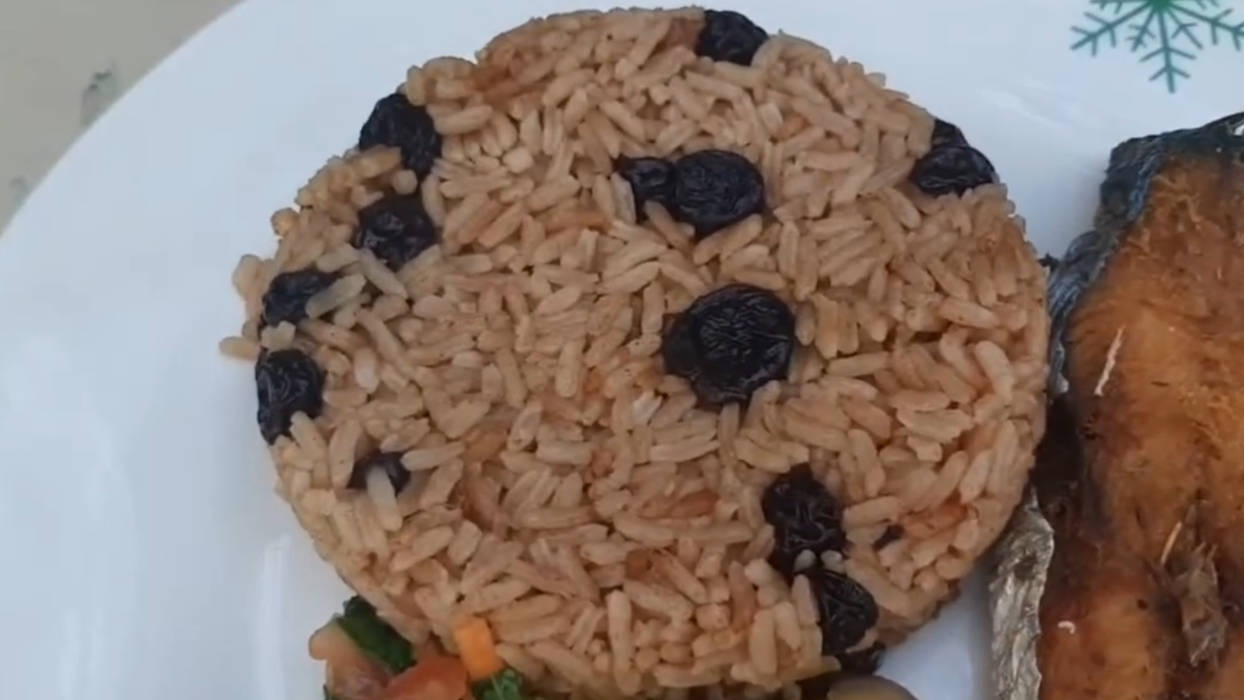
Arroz con Coco y Uvas Pasas is the true crown jewel of the Colombian Caribbean coast. Its unmistakable aroma of the beach and sea breeze makes it the indispensable companion to a good fried fish, crispy patacones, and a fresh salad. In this recipe, we bring you a traditional variant that takes the contrast of flavors to another level, perfectly balancing the salty touch with sweet notes and an unparalleled texture.
The secret to this truly special dish lies in the “titoté” technique, the process by which the first, thickest coconut milk is reduced until it fries in its own oil, forming a dark, caramelized crust. It is this fundamental step, along with the addition of sugar and raisins, that gives the rice its characteristic toasted color and its deep, sweet, and slightly smoky flavor profile!
Arroz con Coco y Uvas Pasas (Traditional Coconut Rice with Raisins)
Ingredients
- 2 cups White rice previously washed
- 2 cups First extract Coconut Milk thick, undiluted milk
- 3 cups Second extract coconut milk thinner milk
- 1 cup Raisins uvas pasas
- 4 tablespoons Sugar
- 125 g Butter approx. 1 stick, divided for use in two steps
- Salt to taste
Instructions
- Prepare the titoté: In a heavy-bottomed pot (caldero), fry the 2 cups of the first coconut milk over medium heat. Let it boil and reduce until the water evaporates, the coconut oil separates, and the solids form a dark golden crust (this is the famous titoté).
- Sauté and sweeten: Once you achieve the titoté crust, lower the heat slightly and add the cup of raisins, the 4 tablespoons of sugar, and a small portion of the butter. Stir well to integrate all the flavors and prevent the sugar from burning.
- Add the liquid: Pour the 3 cups of the second coconut milk into the pot and adjust the salt to taste. Let the mixture boil for a few minutes so that the titoté and sugar dissolve well into the liquid, giving it rich color and flavor.
- Integrate the rice: Add the 2 cups of washed rice. Cook over medium-high heat, uncovered, until the liquid evaporates almost completely and the rice begins to dry on the surface.
- Finish steaming: When the rice has dried, distribute the rest of the butter over the top. Cover the pot tightly, reduce the temperature to very low heat, and let it cook until the grains finish bursting and dry completely.
Notes
- The Secret of the Milks: In traditional cooking, the “first milk” is obtained by blending or kneading the grated coconut pulp with very little hot water and then squeezing it (it is the fattiest and thickest). The “second milk” is extracted by blending that same squeezed pulp again with more water to extract the remaining flavor. This is vital for achieving a good titoté.
You may also be interested
Arroz de guandú: Traditional Colombian Pigeon Pea Rice
Arroz con fríjol morado guajiro (kapeshuna): Colombian Indigenous Purple Bean Rice
Arroz de Coroncoro Ahumado: Colombian Smoked River Fish Rice
Pepitoria Santandereana: Traditional Goat Offal & Rice Stew