
Arroz con Titoté (Arroz Frito): Traditional Colombian Coconut Rice
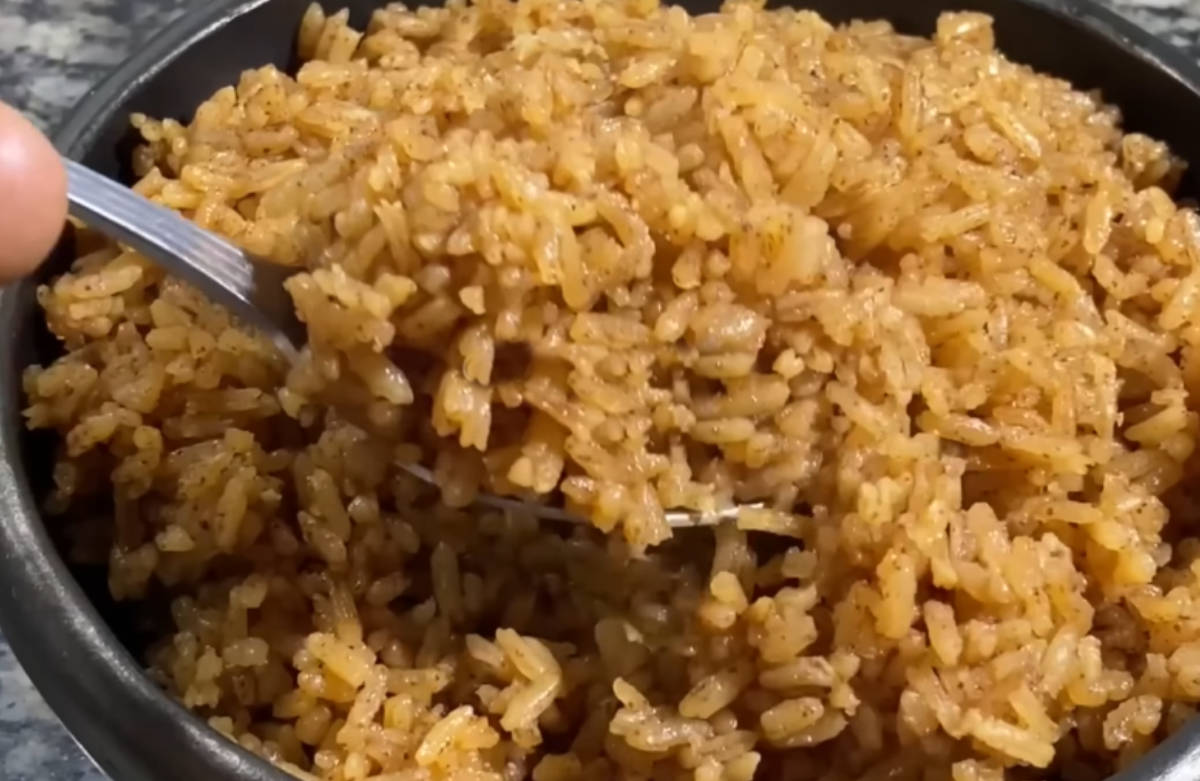
Arroz con Titoté, widely known in traditional kitchens as Arroz Frito, is the absolute, undisputed emblem of the Colombian Caribbean coast. If you want to experience the true warmth of coastal kitchens, the sea breeze, and the richness of the land, this side dish is the perfect companion to elevate the flavors of a good fried fish or a rich seafood stew. What makes this preparation truly masterful is the technique of reducing the coconut milk until it transforms into “titoté.”
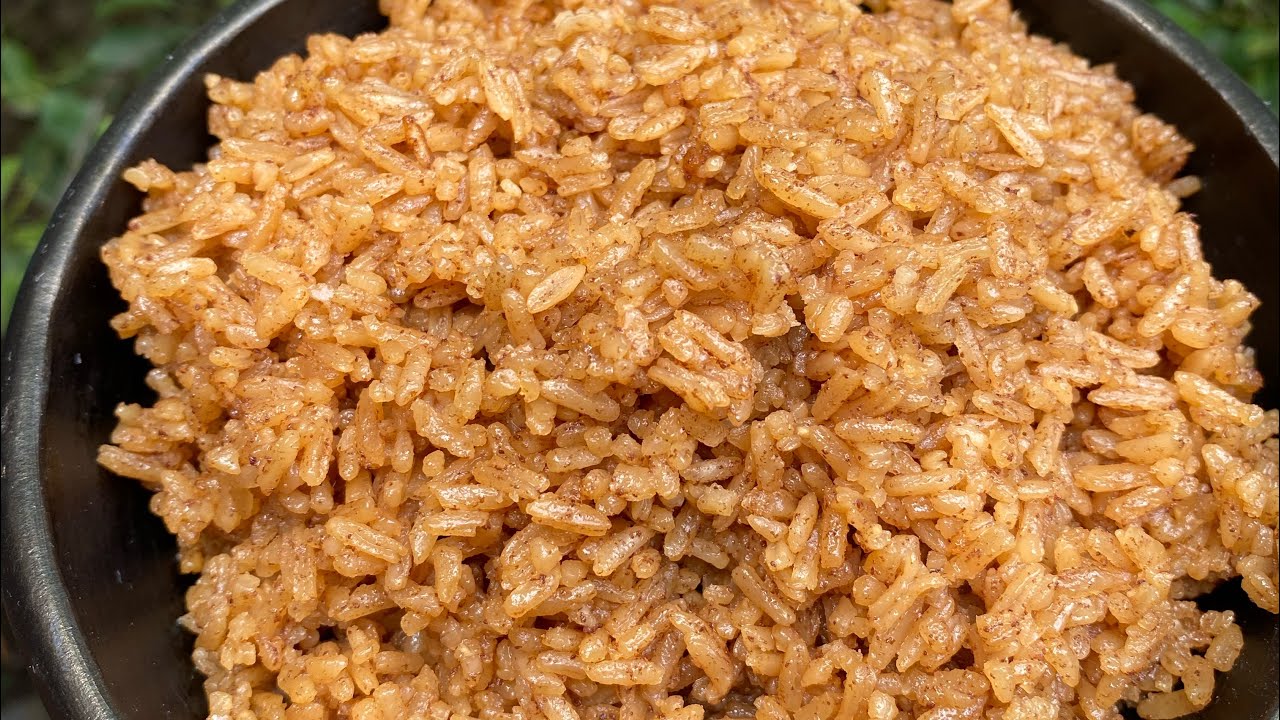
The secret to this dish lies in cooking the first, thickest extraction of coconut milk with sugar (or panela) over low heat. As the water evaporates, the natural oils separate, and the coconut solids fry in their own oil until deeply caramelized. This technical process not only gives the rice its signature dark, toasted color but also floods the dish with a rich, caramel aroma and a sweet-and-salty contrast that defines Colombian gastronomic identity!
Arroz con Titoté (Traditional Caramelized Coconut Rice)
Ingredients
- 2 cups White rice previously washed
- 2 cups First extract Coconut milk Thick milk, ideally extracted using the coconut’s own water
- 4 tablespoons Sugar or grated Panela
- 3 cups Second extract Coconut milk Thinner milk
- Salt to taste
Instructions
- Prepare the titoté base: In a heavy-bottomed pot (traditionally a caldero), pour the 2 cups of the first, thick coconut milk extraction (make sure to use the coconut's own water for this extraction, as tradition dictates) along with the 4 tablespoons of sugar. Keep it over low heat.
- Reduce and caramelize: Let this mixture reduce slowly, without rushing. The water must evaporate completely until the coconut solids begin to fry in their own separated oil. Cook until the mixture takes on a dark, caramelized brown color. This magnificent base is the titoté.
- Dissolve the lumps: Once you achieve that dark caramel color, carefully pour in the 3 cups of the second, thinner coconut milk. Cook over medium heat, stirring constantly, to dissolve the caramelized lumps formed by the titoté and obtain a dark, homogeneous liquid.
- Integrate the rice: Add salt to taste, then incorporate the 2 cups of washed white rice. Mix thoroughly so that every grain is evenly coated and impregnated with the dark liquid.
- Dry and finish cooking: Let the rice cook uncovered over medium heat until the liquid evaporates and the surface begins to dry. At that exact moment, cover the pot tightly with a lid, reduce the heat to the lowest setting, and let it steam for 15 more minutes so the grains finish drying, open perfectly, and absorb all the flavor.
Video
Notes
- The Coconut Water Secret: A golden technique in traditional coastal cooking is using the water from the coconut itself to extract the “first milk.” This concentrates the natural sugars and oils of the fruit from the very beginning, facilitating a perfect caramelization during the formation of the titoté.
- Explore Variations: There are several delicious variations of this recipe across the coast! Once you master this base, try our Arroz de Coco con Uvas Pasas (Coconut Rice with Raisins) or the island-style Arroz en Leche de Coco San Andresano which feature slight but spectacular regional twists.
You may also be interested
Arroz de guandú: Traditional Colombian Pigeon Pea Rice
Arroz con fríjol morado guajiro (kapeshuna): Colombian Indigenous Purple Bean Rice
Arroz de Coroncoro Ahumado: Colombian Smoked River Fish Rice
Pepitoria Santandereana: Traditional Goat Offal & Rice Stew