
What is eaten in each region of Colombia during Holy Week?

Discover which typical dishes are consumed in each region of Colombia during Holy Week.
Colombia stands out for its enormous cultural, geographical, environmental, and gastronomic diversity. This means that each region of the country has an identity very different from the others; even between nearby cities, a marked difference in their customs and traditions is noticeable.
For this reason, although fish and seafood are consumed in almost the entire territory during Holy Week, each area has exclusive traditional preparations for the Holy Week (Semana Mayor), making them the flagship recipes of the local Lent.
(Read Also: The best fish-free recipes for Holy week)
Regional Colombian cuisine during these dates is very varied: it mainly consists of white meats, soups, stews (potajes), side dishes based on root vegetables, and a great diversity of sweets.
Holy Week recipes in the Caribbean region
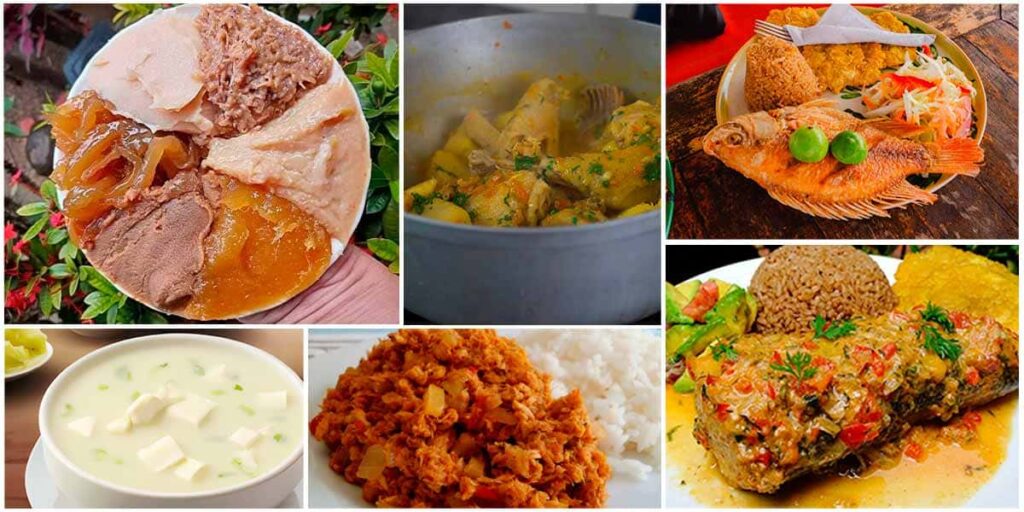
The Caribbean Coast has the privilege of taking advantage of the fruits of the sea and rivers to celebrate these dates in style. However, thanks to the fertility of its soils, its gastronomic offer goes much further to adorn the tables of the Holy Week.
It is very common to find dishes such as shredded fish hash (salpicón de pescado), fried fish like tilapia or mojarra, king mackerel, or catfish, seafood casserole (cazuela de mariscos), and stewed fish (pescado guisado). These are usually accompanied by white rice, coconut, or black bean rice, in addition to fried green plantain discs (patacones) and salads (potato, beet, or fresh greens). These preparations are typical in capitals like Cartagena de Indias, Barranquilla, and Santa Marta.
In other Caribbean municipalities, dishes with an even more local root stand out. For example, in Corozal, the Montes de María, Lorica, Cereté, and Montería, it is traditional to prepare a thick yam and cheese soup (mote de queso). In La Guajira, a taro root stew (malangada) takes on special prominence, while in Córdoba and Atlántico, catfish and a local freshwater fish (bocachico) are the kings of the table. All these delicacies are served with root vegetables like potato and cassava (yuca), or with plantain in the form of patacones or plantain smothered in cheese and onion sauce (plátano chorreado).
(Read also: The best sweet recipes to make during Holy Week in Colombia)
Of course, in the Colombian Caribbean, there is no Holy Week without sweets. One of the most beautiful traditions is to prepare and share these desserts among family, friends, and neighbors. In cities like Cartagena and Barranquilla, sweets take over the squares, parks, and shopping centers through gastronomic festivals that sweeten the pilgrimage; activities are even held in schools to preserve this custom in the new generations.
Among the most popular are yam sweet paste (dulce de ñame), pigeon pea sweet (dulce de guandul), green mango jam, potato sweet paste, guava sweet, Mompox candied lemon sweet, cocoplum sweet (icaco), coconut sweet, corozo palm fruit sweet, and caramel-like milk sweet (dulce de leche). Also famous are candied shredded papaya (caballitos de papaya), slow-cooked fruit and plantain jam (mongo mongo), and a sweet made from traditional cheese biscuits from El Carmen de Bolívar (dulce de chepacorina).
Holy Week recipes in the Andean region
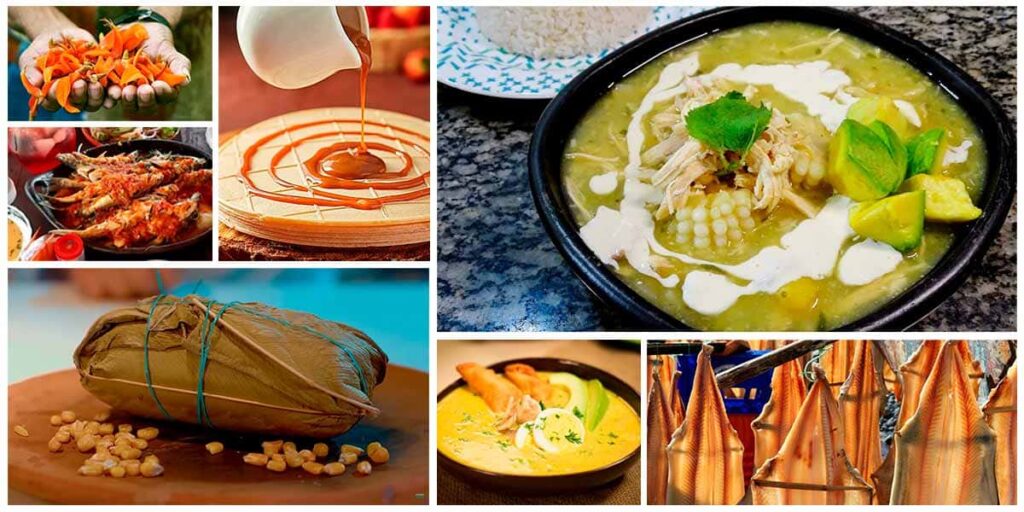
The Andean region has a very diverse gastronomy and contributes numerous dishes to the Holy Week. Because it was difficult to get fresh fish in some inland areas in the past, dry, salted, or canned versions were used. Although access is easy today, the use of dried fish is kept alive by tradition, especially in Antioquia, Boyacá, the Coffee Axis (Eje Cafetero), Cundinamarca, and the Santander region.
In Bogotá, the capital of the country, it is customary to prepare the famous traditional chicken, corn, and potato soup (ajiaco santafereño), accompanied by desserts such as thin wafers filled with milk caramel (obleas con arequipe) and milk skin pudding (postre de natas).
In Antioquia, particularly in Marinilla and El Santuario, the famous “Holy Week stakes” (estacas de Semana Santa) are made, a type of corn tamale originally consumed by muleteers that serves as a side dish.
The Santander region has consolidated an interesting tradition: the famous “seven dishes” (siete potajes). It consists of serving seven different recipes during the holy days, which vary by family, but always include fish and a sweet.
In Norte de Santander, one of those emblematic stews is a traditional river fish soup (rampuchada). In Ocaña, the municipality’s flagship flower that only blooms in March and April (barbatusca) stars in omelets and stews exclusive to this season. Meanwhile, in the department of Nariño, a hearty fish and grain stew (juanesca) is the Lenten recipe par excellence.
Holy Week recipes in the Pacific region
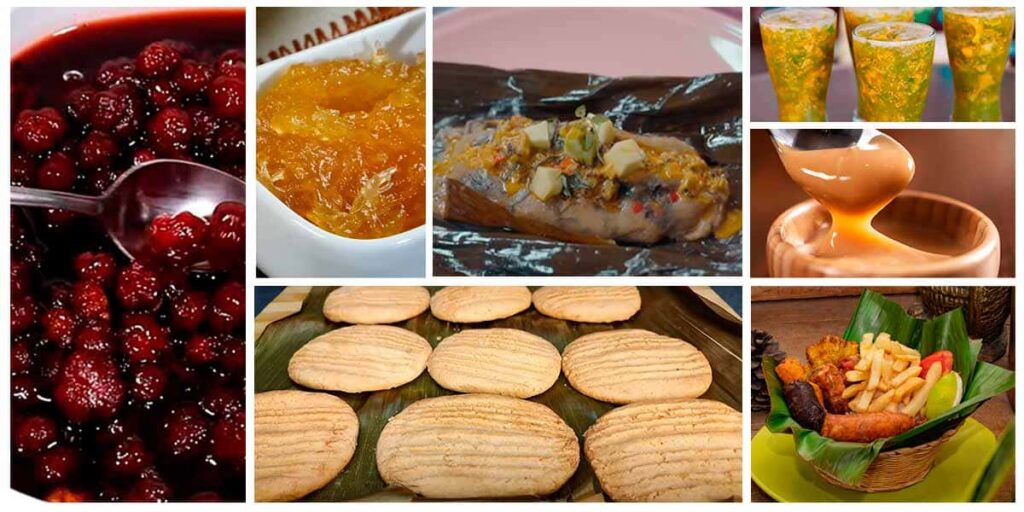
The Colombian Pacific has one of the most exotic gastronomies in the country, making it a highly relevant culinary destination. During Holy Week, in addition to national dishes, unique recipes are prepared.
In Guapi (Cauca), on Holy Saturday or Glory Day, people usually enjoy a corn-based sweet pudding (casabe de maíz). Also notable are tamales filled with mangrove cockles (tamales de piangua) or shrimp, a dish made with a small freshwater shrimp (panda de chautiza), chautiza stew, a mashed plantain dish (majapepa), Tapaje river beans (frijoles tapajeños), and plantain tamale. These delicacies are not only consumed in Guapi; municipalities like Tumaco and cities like Cali strive to rescue these traditions, as many have been disappearing over time. In addition, the angel hair sweet made with shredded papaya (dulce de cabellos de ángel) is very popular in the Pacific.
(Read also: Holy Week: Typical recipes from Colombia for this season)
In this area, we also find corn-based biscuits born in native communities (cuaresmeros vallunos). Over time, they became a traditional Lent snack; history says that in the past, no one cooked during the 40 days and they only fed on these. This custom, originating in Yumbo and Palmira, has spread to Cartago, Zarzal, and much of the Valle del Cauca.
Another fascinating tradition takes place in Sevilla, Valle del Cauca, where a woven basket covered with roasted plantain leaves (canastao) is consumed. It has an egg omelet as a base, upon which white rice, beans, a skewer of roasted chicken, meaty pork rind (chicharrón), blood sausage (morcilla), pork rib, fried plantain (tostada), arepa, and french fries are served. It is accompanied by tomato and onion sauce (hogao), guacamole, lemon, and is topped off with milk pudding (manjar blanco), farmer’s cheese (queso campesino), and figs (brevas).
Valle del Cauca also celebrates gastronomic festivals where there is an abundance of Otaheite gooseberry sweets (dulces de grosella), sponge cakes (bizcochuelos), guava jellies (espejuelos de guayaba), large meringue desserts (merengones), and fried sweet pastry dough (hojaldras).
In Cauca, especially in Popayán, a traditional fruit drink (salpicón payanés) and a cold drink made with corn and fruit (champús) are unmissable.
Holy Week recipes in the Amazon region
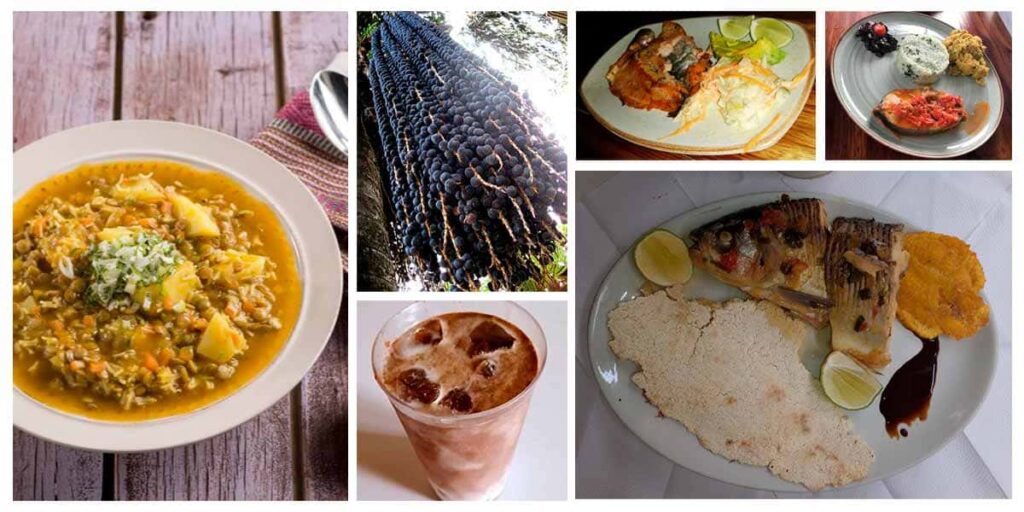
The Colombian Amazon is characterized by its immense water wealth. The rivers that cross it provide a wide variety of fish for Holy Week, such as cachama, catfish (bagre), and pirarucú.
During this time, the consumption of dried fish is also common. In fact, in Leticia (capital of the Amazonas department), the Amazon Fish Fair (Feria Piscícola del Amazonas) is held during this time, where local fishermen and those from border countries exhibit their best products.
(Read also: 10 fish recipes for Holy Week)
In Puerto Leguízamo (Putumayo), heart of palm purée (puré de palmito), mashed green plantains with pork cracklings (tacacho), and dishes with catfish and pirarucú are very traditional. Likewise, in this department, fish cooked wrapped in leaves (capacho de pescado), peach palm fruit sauce (salsa de chontaduro), a drink made from the seje palm fruit (chocolate de seje o milpesos), fish cooked in coconut sauce (pescado encocado), and breaded catfish (bagre apanado) stand out.
In the month of April, the açaí (also known as asahí or guasay) abounds in this region, with which delicious and refreshing juices are prepared.
Holy Week recipes in the Orinoquía region
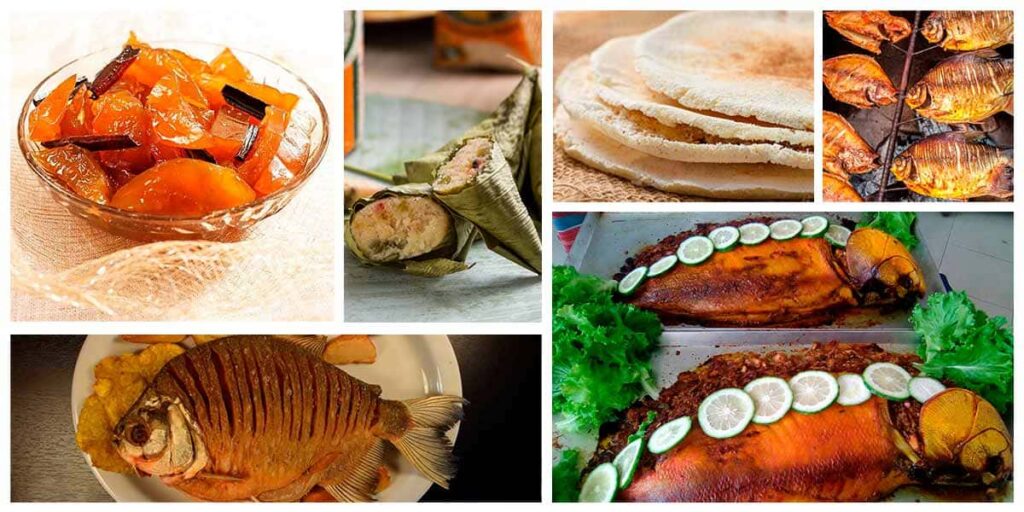
The Orinoquía region has a strong indigenous heritage, so many of its gastronomic samples merged with the religious celebrations brought during the Conquest.
Fried fish is very common this season, highlighting the cachama (or gamitana), which is prepared fried, stewed, roasted, or stuffed. It is usually accompanied by potato, cassava, plantain, or the ancestral cassava flatbread (casabe). Another famous technique here and in the Amazon is smoked fish (pescado moquiado).
In addition, it is traditional to prepare papaya sweet (dulce de lechosa) and consume traditional rice or corn dough wrapped and boiled in leaves (tungos llaneros).
Holy Week recipes in the Insular region
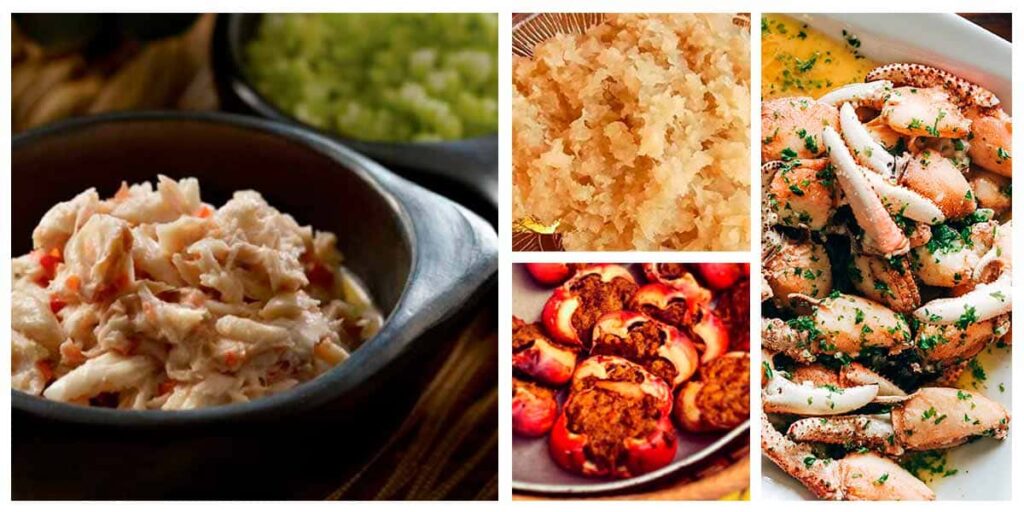
The Insular region is made up of the archipelago of San Andrés, Providencia, and Santa Catalina, in addition to the Gorgona and Malpelo islands. Being linked to the sea all year round, its Lenten gastronomy does not vary drastically from regular months. Among the most popular dishes are shredded fish, stuffed crabs, crab soup, and garlic crab claws. As for desserts, the coconut sweet takes on the greatest prominence.
The consumption of wild fauna in some areas
It is worth mentioning that in some areas of the country, recipes made with iguana meat, slider turtle (hicotea), or spectacled caiman (babilla) are consumed. These preparations are not very common today due to the environmental protection that exists over many of these animals. Although there are specialized authorized breeding grounds to produce this meat, much of it is obtained outside of these, causing serious damage to local ecosystems.
Tell us if you have tried any of these delicacies or if your home still keeps the tradition of preparing them alive. What are your family’s classic recipes during Holy Week?
You may also be interested
Colombian Chef María Cecilia Restrepo Wins Culinary Competition at the GastroAntep 2026 Festival in Türkiye
Colombian Cheese Wins Gold at the 2025 World Cheese Awards in Switzerland
Guineo pachangao o cayeye: Colombian Mashed Green Bananas
The best meatless and fishless recipes for Holy Week