
Pescado Moquiao: Colombian Indigenous Plantain-Wrapped Smoked Fish
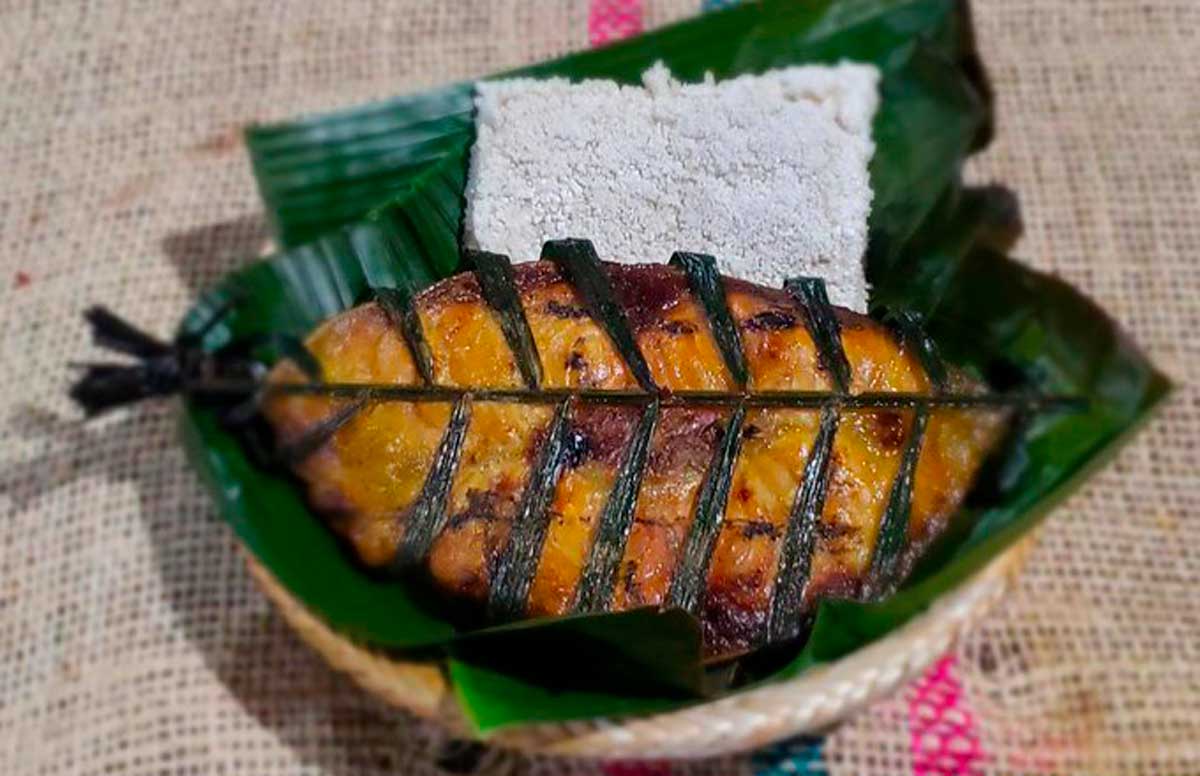
If you want to experience one of the most ancient and authentic culinary techniques of South America, preparing a traditional Pescado Moquiao (Colombian Indigenous Plantain-Wrapped Smoked Fish) is a fascinating journey into the heart of the Amazon and Orinoquía regions. Long before modern refrigeration, the indigenous communities of the Eastern Plains developed this ingenious method—also known as Muguiado or Moqueado—to cook and preserve their daily catch during long fishing expeditions. Wrapped tightly in fresh plantain leaves, the fish is slow-smoked over a wood fire or buried in hot embers, resulting in a remarkably tender, earthy, and intensely smoky delicacy.
This is not just a recipe; it is a survival technique turned into a cultural treasure. Historically born out of the scarcity of salt in the deep jungle, the thick smoke and the natural oils of the plantain leaf act as a protective barrier and flavor enhancer. Today, whether you recreate the rustic smoking rack over a campfire or mimic the technique in a modern smoker, this dish offers a profound connection to the ancestral roots of Colombian cuisine. It is traditionally enjoyed tearing the warm, smoky meat straight from the leaf, accompanied by a piece of crispy cassava flatbread.
Pescado Moquiao (Colombian Indigenous Smoked Fish)
Ingredients
- 4.4 lbs 2 kg Whole fish (Any firm-fleshed fish works well, such as Tilapia, Trout, or Snapper)
- Large fresh plantain leaves enough to fully wrap the fish
- Salt to taste optional, depending on the method
- Fresh limes optional, for serving
Instructions
Method 1: The Traditional Smoking Rack (Camareta)
- Prep the fish: Clean the whole fish by removing the innards. (Chef's Note: If you are making this to preserve the fish for days, leave the scales on and do not use salt. If you are cooking it to eat immediately, scale the fish and season it with salt to taste). 2. Wrap it up: Wrap the whole fish completely and tightly in the fresh plantain leaves.
- Build the smoker: Set up a grill grate or a traditional wooden rack (camareta) about 30 to 40 inches (80-100 cm) above a bed of hot, glowing embers. Place the leaf-wrapped fish on the rack.
- Smoke slowly: Let the fish smoke for about 3 hours. To generate the thick, flavorful smoke needed for this technique, constantly toss fresh, green leaves (especially leftover plantain leaves) directly onto the hot embers.
- Serve or store: Once fully smoked, the fish can be stored for days to be used later in soups, or unwrapped and eaten immediately.
Method 2: The Sand Pit (Hueco en la arena)
- Dig the pit: Dig a shallow hole in the ground, about 6 inches (15 cm) deep, preferably in sandy soil.
- Wrap and bury: Wrap the cleaned fish securely in plantain leaves. Place the wrapped fish into the hole and cover it with a thick layer of additional plantain leaves.
- Build the fire: Build a campfire directly over and around the covered hole. Let the heat and smoke from the embers penetrate the ground and cook the fish for 2 to 3 hours, depending on its size.
- Unearth and season: Carefully remove the fish from the pit. If you cooked it without salt (the ancestral way), you can now season the warm, smoky meat with salt and fresh lime juice right before eating.
Video

Notes
- A Saltless Origin: This smoking technique (muquiado or moquiado) was originally invented due to the absolute lack of salt in the deep jungle. The smoke acts as a natural preservative, allowing hunters and fishermen to bring meat back to their villages without it spoiling.
- The Power of Wood: Indigenous communities use very specific types of local firewood and fresh leaves during the smoking process, as the smoke itself dictates the final aroma and flavor of the fish.
- The Perfect Pairing: In the Amazon and Orinoquía, this deeply smoky fish is almost exclusively served alongside Casabe (a large, crispy, ancient flatbread made from yuca/cassava flour).
You may also be interested
Corned fish: Traditional Caribbean Sun-Dried Salted Fish
Costillas de Gamitana: Fried Tambaqui Fish Ribs
Sábalo con Coco: Colombian Coconut Tarpon
Pescado en Salsa de Naranja Agria: Colombian Sour Orange Fish