
Arequipe: Homemade Colombian Dulce de Leche
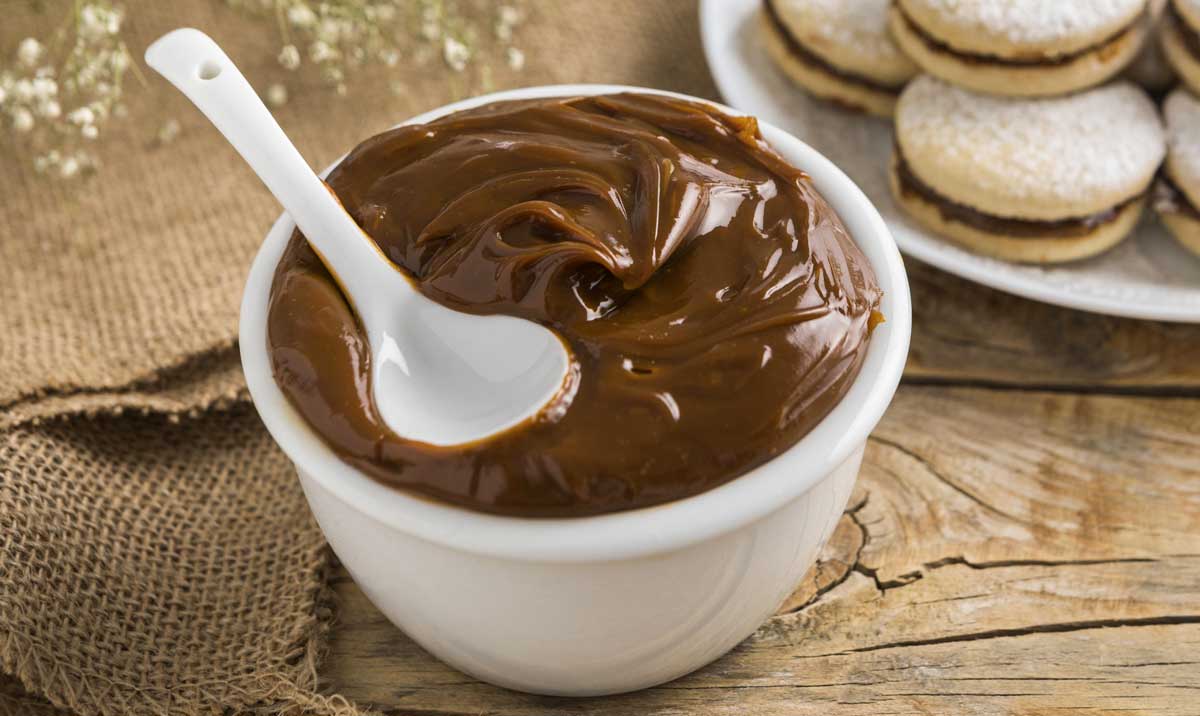
If you want to master one of the most famous and beloved Latin American sweets, making homemade Arequipe (Colombian Dulce de Leche) is a labor of love that will completely transform your desserts. While you can easily buy a jar at the store, nothing compares to the rich, complex caramel flavor of slowly reducing fresh milk and sugar over a gentle flame. In Colombia, this thick, glossy spread is a staple in every household, enjoyed by the spoonful, spread over saltine crackers, or sandwiched between thin wafers to make traditional Obleas.
Making authentic Arequipe requires patience, as the mixture must simmer for about three hours to achieve that signature deep golden color and thick consistency. The secret weapon in this traditional recipe is a tiny pinch of baking soda, which helps the milk caramelize beautifully without curdling. Deeply tied to the tradition of sharing sweets during Semana Santa (Holy Week), this incredible dessert is a cultural masterpiece that is absolutely worth the wait.
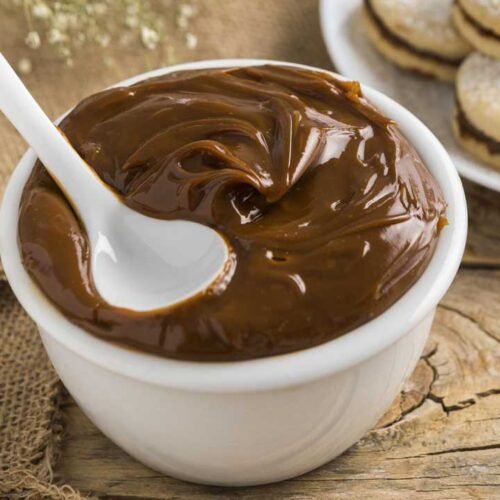
Arequipe (Colombian Dulce de Leche)
Ingredients
- 3 Liters Whole milk approx. 12.5 cups
- 2 lbs White sugar approx. 4.5 cups
- 1 Cinnamon stick
- ½ teaspoon Baking soda Bicarbonato de sodio
- 1 pinch Salt
Instructions
- Combine the ingredients: In a large, heavy-bottomed pot (traditionally, a large copper pot is preferred for the best heat distribution), pour in the whole milk, white sugar, salt, baking soda, and the cinnamon stick.
- The slow simmer: Place the pot over low heat. Bring the mixture to a very gentle simmer. You must let it cook slowly for hours, stirring occasionally at first to ensure the sugar is completely dissolved.
- Stir and thicken: As the hours pass, the liquid will begin to evaporate, the color will change to a deep caramel brown, and the mixture will thicken significantly. Once it looks thick and bubbling, you must stir continuously with a wooden spoon to prevent it from burning or sticking to the bottom.
- The "bottom of the pot" test: You will know your Arequipe is perfectly done when you drag your wooden spoon across the bottom of the pot and it leaves a clean path, allowing you to clearly see the bottom for a second before the caramel rushes back in.
- Cool and store: Immediately remove the pot from the heat and carefully pour the hot Arequipe into a heatproof glass jar or container to stop the cooking process. Let it cool completely before serving!
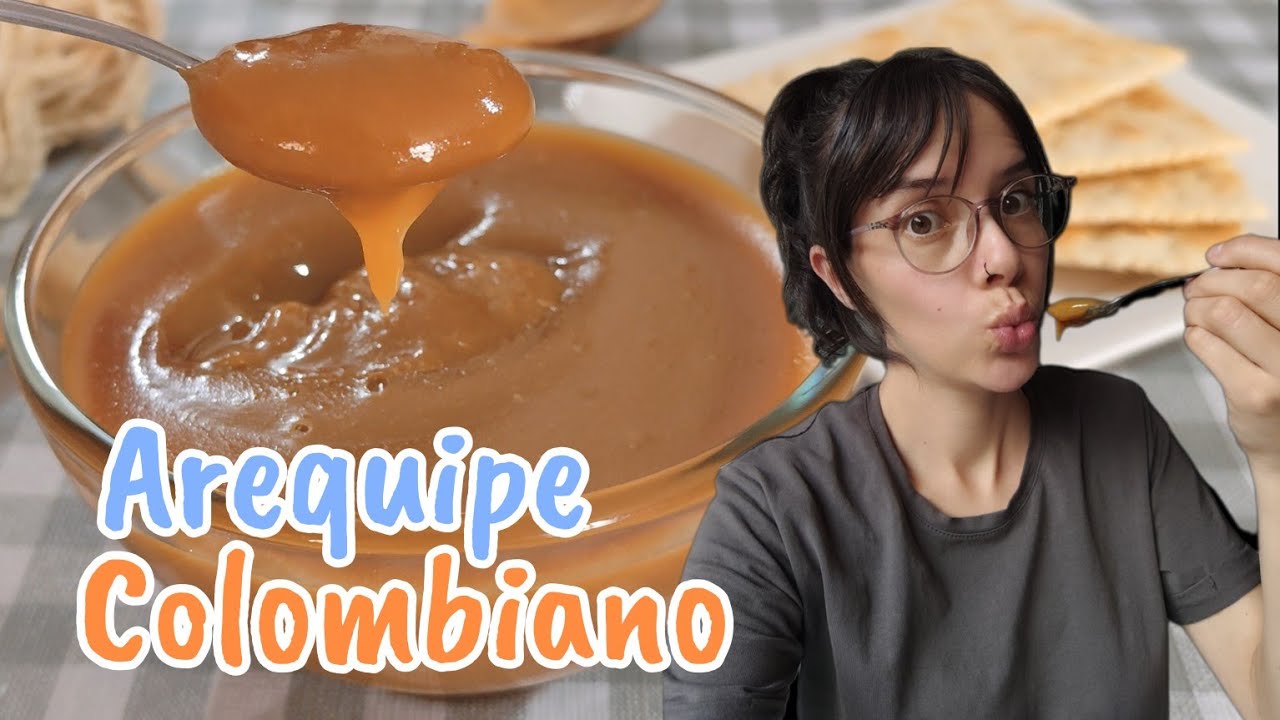
Video
Notes
- A Dessert of Many Names: Depending on where you travel in Latin America, this glorious milk caramel goes by different names! In Colombia and Venezuela, it is Arequipe; in Argentina and much of the continent, it is Dulce de Leche; in Mexico (when made with goat’s milk), it is Cajeta; and in other regions, it is known as Manjar Blanco or Fanguito.
- The Magic of Baking Soda: Do not skip the baking soda! It is a crucial chemical catalyst (the Maillard reaction) that gives the Arequipe its iconic dark brown color and prevents the milk proteins from coagulating during the long boiling process.
- Holy Week Tradition: Just like coconut sweets and mango jam, preparing massive pots of homemade Arequipe to share with family and neighbors is a deeply cherished Holy Week tradition in Colombia.
You may also be interested
Mazamorra de plátano: Sweet Ripe Plantain and Coconut Porridge
Queso de Capa de Mompox: Traditional Layered Mompox Cheese
Ajonjolí Molido: Colombian Toasted Sesame Paste
Dulce de Limón de Mompox: Traditional Candied Mompox Limes