
Caballitos de Papaya Verde: Colombian Green Papaya Candy

If you ever wander through the historic streets of Cartagena, you will inevitably fall in love with Caballitos de Papaya Verde (Colombian Green Papaya Candy), a traditional Caribbean sweet that perfectly captures the magic of the coast. Proudly sold by the iconic Palenqueras—women in vibrant dresses balancing massive fruit and candy bowls on their heads—these glossy, caramelized strips of unripe green papaya are a true cultural treasure.
The culinary process transforms a firm, tart, and unripe fruit into a chewy, golden confection using just sugar, water, and a bit of patience. Highly popular during Semana Santa (Holy Week) when Colombian families prepare large platters of homemade treats, these little sticky clusters are incredibly satisfying. They offer a unique, fibrous bite covered in a rich caramel glaze. Making them at home is surprisingly simple, and it is the perfect way to bring a sweet taste of the Colombian Caribbean directly to your kitchen!
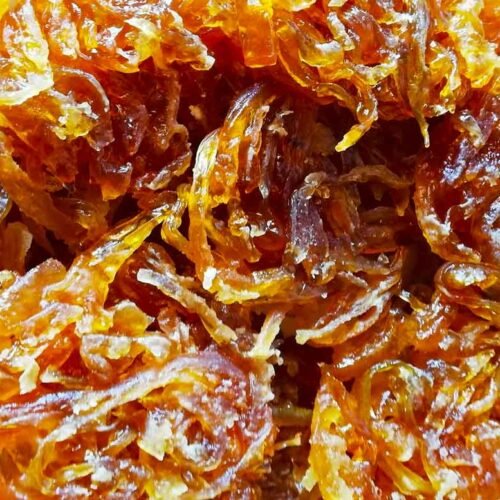
Caballitos de Papaya Verde (Green Papaya Candy)
Ingredients
- 1 Large green unripe papaya (papaya biche)
- 2 cups Water (approx. ½ liter)
- 1 lb White sugar
- 1 block Panela (unrefined cane sugar, optional for a deeper caramel color)
Instructions
- Bleed the papaya (Deslechar): The day before you want to make the candy, make several shallow vertical slits in the skin of the unpeeled green papaya. Let it rest at room temperature for a full day. This is a crucial traditional step that allows the bitter white sap to drain out of the unripe fruit.
- Peel and slice: Wash the papaya thoroughly to remove the dried sap. Peel off the skin completely, cut the fruit in half, and scoop out all the seeds. Cut the firm, green flesh into the thinnest possible strips or julienne sticks.
- Simmer the base: In a wide, heavy-bottomed pot or pan over low heat, combine the thin papaya strips, the 2 cups of water, and the white sugar. (Chef's Hack: If you want your candies to have a darker, richer, more molasses-like flavor, add a chunk of grated Panela into the pot at this stage).
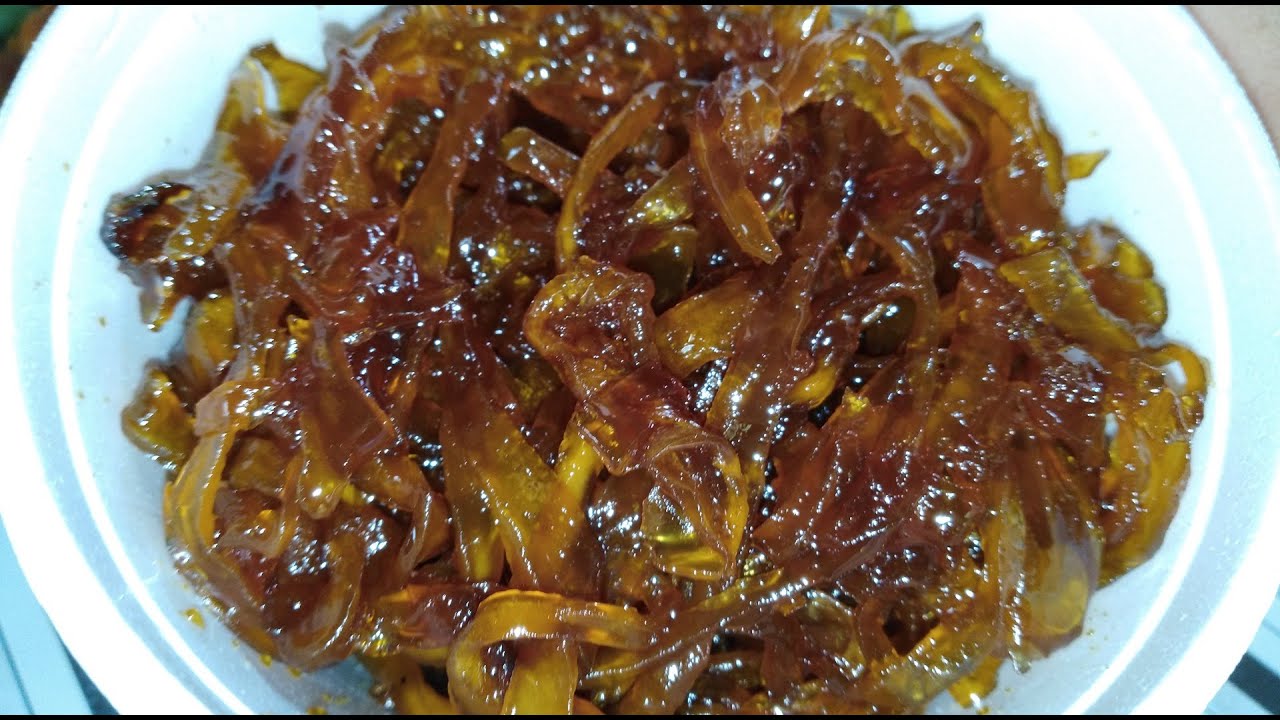
- Caramelize and stir: Cook the mixture slowly, stirring constantly. You will notice the water reducing into a thick syrup and the papaya strips becoming translucent while taking on a beautiful, toasted caramel color.
- Shape and cool: Once the papaya is sticky, glossy, and the syrup has reduced down to coat the strips (after about 20 minutes of simmering), remove the pot from the heat. While the mixture is still warm and malleable, use a spoon to scoop small mounds of the candied papaya onto a parchment-lined tray, shaping them into little clusters (similar to coconut macaroons). Let them cool completely and harden before enjoying!
Video
Notes
- The Palenquera Tradition: In Cartagena, these sweets are sold alongside Cocadas (coconut macaroons) and Alegrias by the Palenqueras, Afro-Colombian women from San Basilio de Palenque who are the ultimate guardians of the region’s traditional candy-making.
- Healing Properties: Papaya contains papain, a powerful digestive enzyme. In its green, unripe state, the fruit is also celebrated for helping reduce inflammation, making it a popular natural remedy for soothing conditions like asthma and arthritis.
- Antioxidant Powerhouse: The fruit is highly fibrous, aids in digestion, and boasts high antioxidant levels that help promote heart health.
- High-Altitude Cousins: If you travel away from the coast and up into the Andean mountains of Colombia, you will find a very similar dessert made with a different, high-altitude fruit, known as Dulce de Papayuela or Chilacuán.
You may also be interested
Mazamorra de plátano: Sweet Ripe Plantain and Coconut Porridge
Queso de Capa de Mompox: Traditional Layered Mompox Cheese
Ajonjolí Molido: Colombian Toasted Sesame Paste
Dulce de Limón de Mompox: Traditional Candied Mompox Limes