
Butifarra: Traditional Colombian Pork Sausage
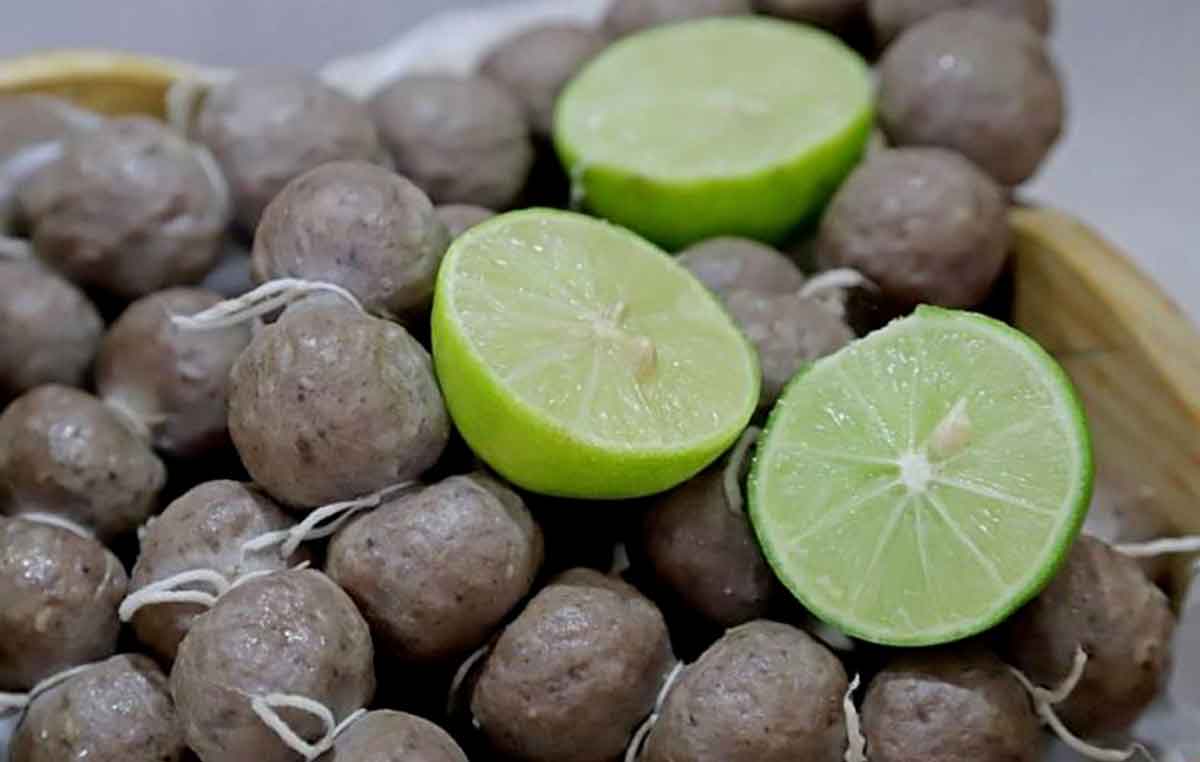
Butifarra is the absolute king of Colombian Caribbean street meats, an artisanal pork sausage that serves as the supreme gastronomic symbol of the municipality of Soledad, Atlántico. Characterized by its unique bite-sized spherical shape and heavily spiced flavor profile, it is an essential staple of coastal parties, street vendors, and traditional gatherings.
The secret to this 2-hour and 15-minute recipe is the preparation of the casing and the rendered fat. By washing the pork casing in lime juice and oregano, you remove impurities while adding flavor. Furthermore, by rendering half of the pork fat into oil and kneading it directly into the ground meat alongside cinnamon and pepper, you create an incredibly juicy, aromatic sausage that is boiled and then hung to dry.
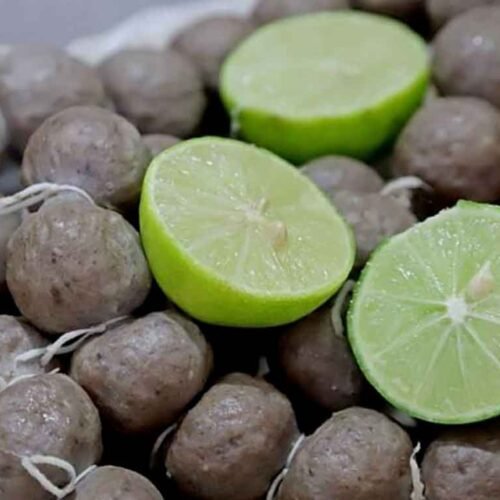
Butifarra (Traditional Colombian Pork Sausage)
Ingredients
- 2 ½ lbs Lean pork meat Ideally loin or leg
- 1/2 lb Pork belly or Fatback Tocino
- 1/2 meter Thin pork casing Tripa delgada de cerdo
- Salt to taste
- Black pepper to taste
- Ground cinnamon to taste
- Dried oregano to taste
- Limes or Lemons
- Cooking twine or kitchen string Pita o cabuya
Instructions
- Render and grind: The very first step is to divide the pork belly/fatback (tocino) into two equal parts. Dice one part very finely and sauté it in a pan to extract and render its natural oils/lard. Take the second part of the raw fat and grind it together with the lean pork meat.
- Season and knead: In a large bowl, combine the ground meat and fat mixture. Add the rendered liquid lard from step 1, salt, black pepper, and a touch of cinnamon to taste. Vigorously knead everything together until it forms a uniform, sticky paste.
- Prepare the casing: Thoroughly wash the thin pork casing using fresh lime juice, salt, and oregano. This crucial step removes any excess grease, eliminates odors, and deeply flavors the casing.
- Stuff and tie: With great patience and care, stuff the seasoned meat mixture into the prepared pork casing. Using the cooking twine (cabuya), tie the casing off at regular, short intervals to form small, spherical balls, leaving a slight distance between each one. Let the tied sausages rest for 15 to 20 minutes to settle.
- Boil and dry: Bring a large pot of salted water to a rolling boil. Drop the butifarras in and let them cook for exactly 15 minutes.
- The pinprick technique: Remove the sausages from the boiling water. Immediately take a clean pin or needle and prick each individual butifarra; this allows the trapped water and steam to escape. Finally, hang the strings of sausages in a well-ventilated area and let them air-dry completely before serving!
Notes
- The Coastal Pairing: In the Colombian Caribbean, butifarras are strictly and traditionally consumed by squeezing fresh lime juice directly over them, accompanied by a thick slice of bollo de yuca (steamed cassava roll).
- A Musical Tribute: This specific sausage holds such immense cultural relevance in the Atlántico department that the legendary Colombian composer Pacho Galán recorded a famous song with his orchestra entirely dedicated to it, titled “La Butifarra de Pacho”!
- Global Cousins: While this heavily spiced, spherical, boiled version is distinctly Colombian, the concept of the butifarra originates from Spain (particularly Catalonia) and has evolved into many different shapes and flavor profiles across various Latin American countries.
You may also be interested
Friche: Traditional Wayuu Fried Goat and Blood Stew
Lengua Puyada: Colombian Stuffed Beef Tongue
Cabrito Asado: Colombian Roasted Kid Goat
Capón Relleno: Colombian Stuffed Beef Roast (Muchacho Relleno)