
Requirements and Documents from ICA and Airlines for Traveling with Pets by Plane from Colombia
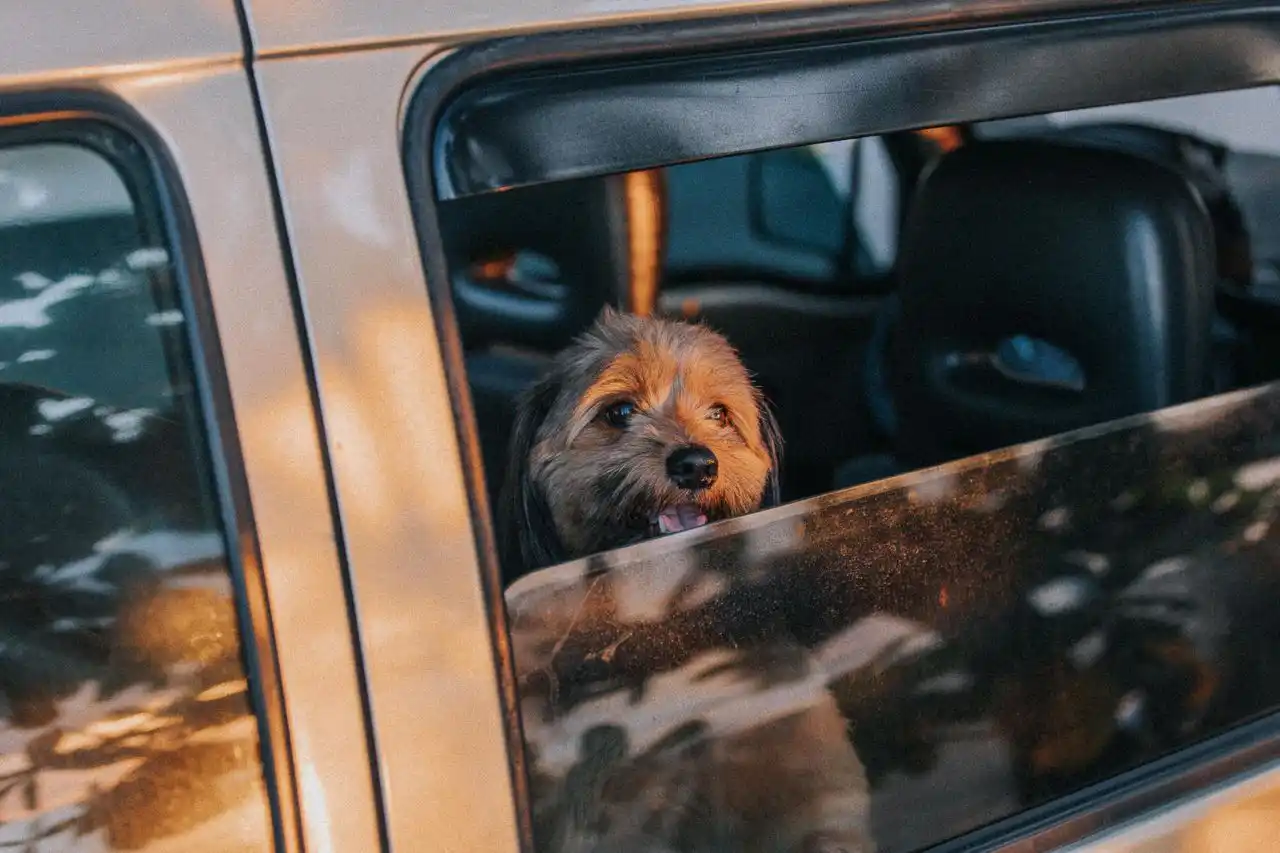
The Colombian Agricultural Institute (ICA) and airlines operating in Colombia require compliance with sanitary and operational controls for the air transport of companion animals and pets. Presenting the required documentation and complying with weight and container specifications guarantees boarding on domestic and international flights.
Sanitary Regulations and ICA Certificate of Sanitary Inspection Procedure
For international flights, ICA requires completing a mandatory prior procedure within the 5 days prior to the departure date. The process begins with the user’s registration in the Sanitary Information System for the Import and Export of Agricultural and Livestock Products (SISPAP) and checking the sanitary requirements of the destination country.
Subsequently, a veterinarian or zootechnical veterinarian registered with ICA must perform the animal’s evaluation, issue the health certificate and vaccination card, and upload these supporting documents to the SISPAP platform. Once the information is uploaded, the traveler receives an email notification with a link to pay for the procedure via PSE, leaving them authorized to go to the ICA office located at the port, international airport, or land border crossing for the final issuance of the certificate.
Cabin and Cargo Transport Conditions According to Airlines
Transport companies impose weight and dimension restrictions in their commercial operations for pet luggage:
| Transport Mode | Maximum Permitted Weight (Pet + Container) | Container Specifications |
| In Cabin | 8 kg to 10 kg | Flexible or semi-rigid, waterproof, ventilated, and suitable for placement under the front seat. |
| In Cargo Hold | 8 kg to 20 kg | Rigid, waterproof, and equipped with a ventilation system. |
Authorities recommend verifying slot availability per aircraft and the internal policies of each airline several days prior to the flight.
Regulations for Service Animals and Assistance Dogs
Assistance and guide dogs that support people with disabilities have specific parameters for cabin boarding without the need for a crate:
- Age and size: They require a minimum age of 6 months and must belong to small or medium breeds with a weight limit of up to 35 kilograms. Large-breed dogs are not accepted in the cabin.
- Documentation and equipment: A medical certificate on letterhead must be presented, certifying the passenger’s disability condition and the need for assistance. The dog must wear its training harness.
- Onboard location: Passengers accompanied by these animals cannot occupy seats in emergency exit rows.
- Safety and conduct: Breeds considered potentially dangerous (such as Pitbull, Doberman, Rottweiler, German Shepherd, Great Dane, Akita, American Bully, Bullmastiff, Bull Terrier, Neapolitan Mastiff, Presa Canario, and Staffordshire) must obligatorily travel with a muzzle. The animal must maintain obedient behavior without barking, growling, or jumping on other users.
Verification of Requirements Before Boarding
Health authorities and airlines advise travelers to process permits well in advance of high-demand seasons. The lack of any sanitary documents or failure to comply with container dimensions results in the immediate cancellation of the pet’s boarding.
You may also be interested
Cartagena Structures the “Transcaribe Acuático” Project to Integrate Bus and Waterway Transport Across the Bay
Mental Health Law 2460: How Schools Are Implementing the Mandate to Promote Emotional Education
Colombia and Argentina Assume Presidency of IBERMEDIA, the Funding Program for Ibero-American Cinema
Alejandra Borrero Honored With the Víctor Nieto Lifetime Achievement Award at the India Catalina Awards