
Gelatina Negra de Pata: Black Cow Foot Jelly
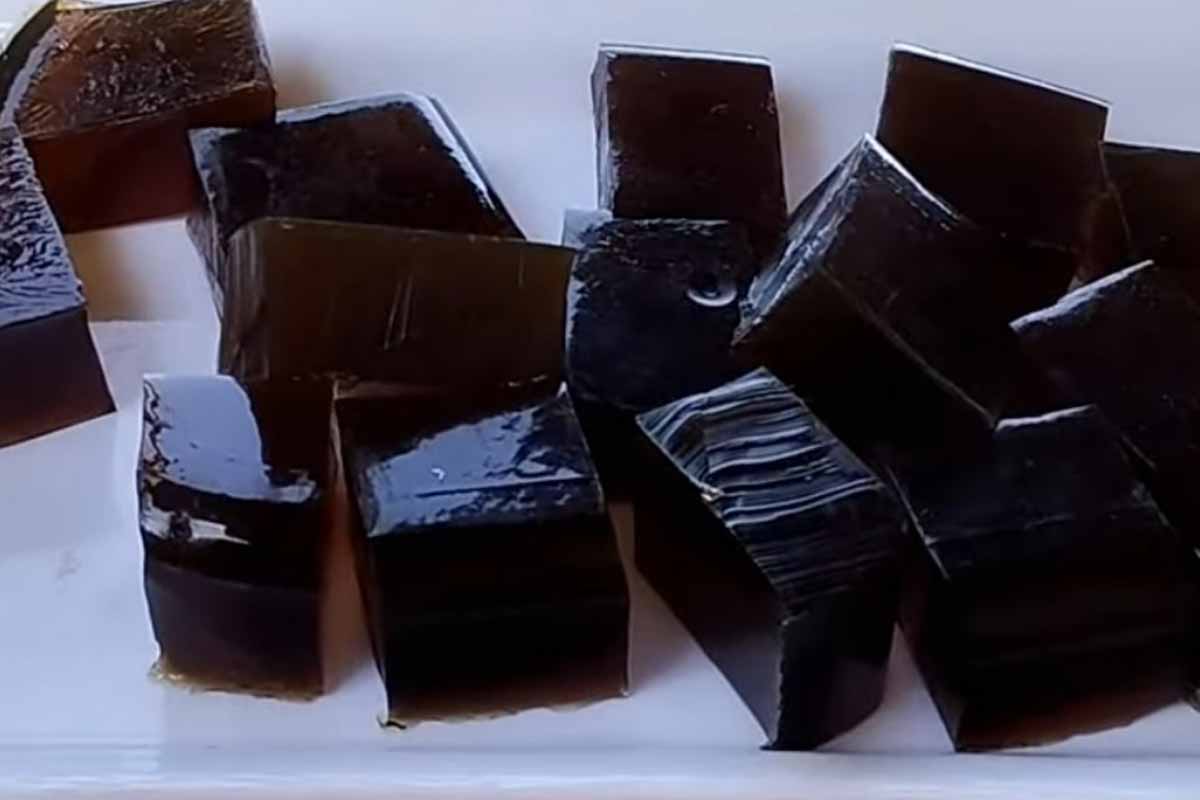
Gelatina Negra de Pata (or Dulce Negro de Pata) is a highly traditional, collagen-rich sweet deeply rooted in Colombian gastronomy, especially popular in the Andean, Pacific, and Orinoquía regions.
The secret to this intense 8-hour recipe is patience and heavy extraction. A cow’s foot is pressure-cooked for hours to release all its natural gelatins. Once the fat and bones are removed, the resulting collagen-rich broth is blended, strained, and boiled down with panela until it coagulates into a dark, chewy, and highly nutritious treat.
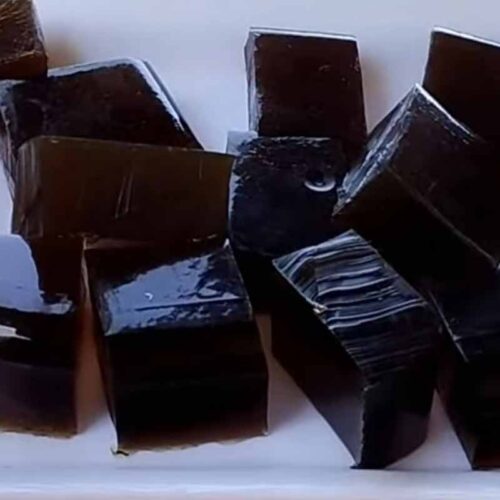
Gelatina Negra de Pata (Black Cow Foot Jelly)
A traditional, collagen-rich Colombian sweet! Cow's foot slow-cooked to extract natural gelatins, sweetened with panela, and set into dark, chewy blocks.
Ingredients
- 1 Large cow foot/hoof Pata de res
- 1 block Panela Unrefined cane sugar
- Water
- Cinnamon
- Cloves Optional
- Lemon juice Optional
Instructions
- Extract the collagen: The very first step is to chop the cow foot into several pieces and wash them thoroughly. Place the pieces into a pressure cooker with enough water to cover them completely. Cook for 3 to 4 hours until the meat and cartilage are extremely soft. (Chef's Hack: If using a standard pot, you must boil it for at least 6 hours).
- Skim and debone: Let the pot rest and cool slightly. Using a spoon, carefully skim off and discard all the oil/fat that has risen to the surface. Next, extract and completely discard all the bones from the mixture.
- Blend and strain: Transfer the remaining cartilage, meat, and cooking broth into a blender and blend until smooth. Pass this mixture through a fine strainer or sieve. (You can add a little warm water if it is too thick to strain).
- Sweeten and reduce: Pour the strained, collagen-rich mixture back into a pot over medium heat. Add the broken panela and cinnamon (along with the optional cloves and lemon juice). You must stir constantly for about 2 hours until the mixture reduces, thickens, and reaches its coagulation point.
- Set and serve: Pass the hot mixture through a strainer one final time to ensure absolute smoothness. Pour it into a large tray or individual molds. Let it cool and set completely (refrigeration speeds this up). Cut into small blocks and enjoy!
Notes
- The Gelatin Capital: The municipality of Andalucía in the Valle del Cauca department is famously known as “La Capital de la Gelatina” (The Gelatin Capital). The production of this traditional sweet is a major economic driver for the town, highlighted by the famous “Parador Blanco de la Gelatina” where travelers stop to buy it.
- White vs. Black: There are two distinct variations of this sweet: Gelatina Negra (Black) and Gelatina Blanca (White). The white version involves an extra, labor-intensive step of vigorously pulling and stretching the warm mixture by hand to aerate it until it turns white and fluffy.
- International Reach: Variations of this cow foot jelly are popular across South America. In Venezuela, it is known as Aliados de pata de res or Templones, and it is also widely consumed in Bolivian departments like Pando, Beni, and Santa Cruz.
- Nutritional Value: Beyond being a traditional treat, it is highly valued for its exceptional nutritional profile, specifically its massive concentration of natural collagen, which is excellent for joints, skin, and hair.
You may also be interested
Mazamorra de plátano: Sweet Ripe Plantain and Coconut Porridge
Queso de Capa de Mompox: Traditional Layered Mompox Cheese
Ajonjolí Molido: Colombian Toasted Sesame Paste
Dulce de Limón de Mompox: Traditional Candied Mompox Limes