
Queso Costeño: Authentic Colombian Coastal Cheese
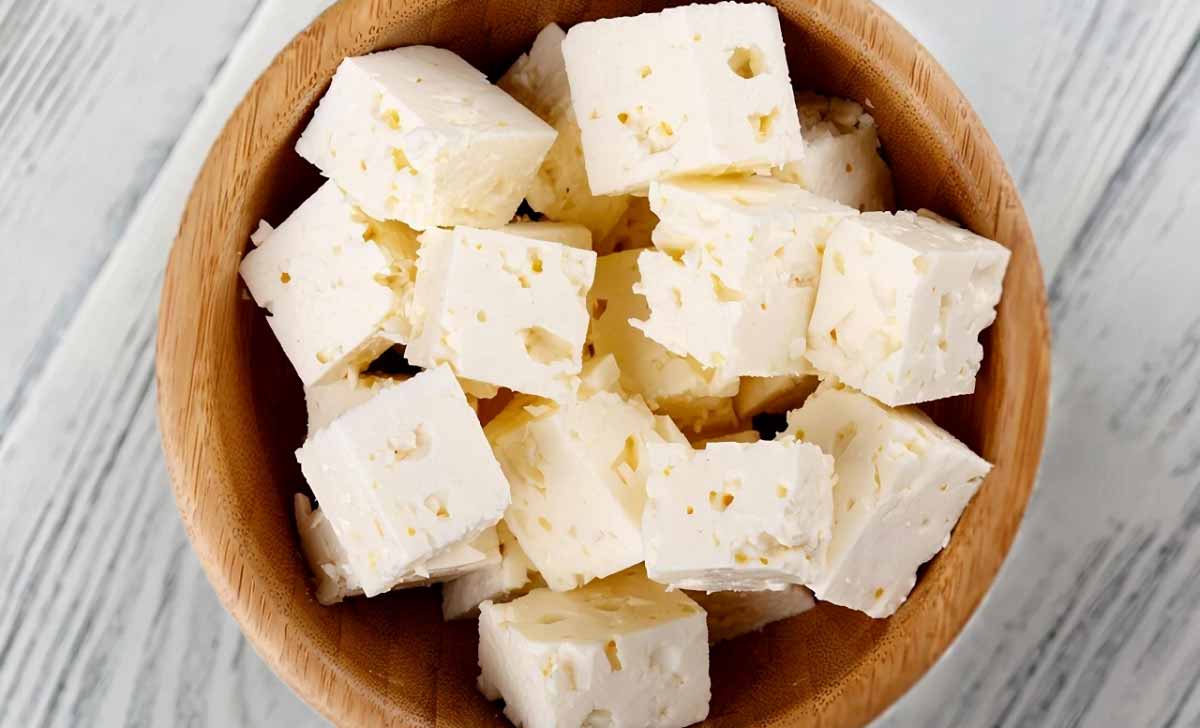
Queso Costeño (Colombian Coastal Cheese) is the quintessential, salty, fresh white cheese that serves as the absolute pillar of Colombian Caribbean breakfasts. If you want to experience the true, authentic flavor of the coast, learning to make this traditional artisanal cheese at home is a game-changer. Characterized by its brilliant white color, crumbly yet firm texture, and bold, salty flavor profile, it is the mandatory companion for everything from crispy patacones to warm bollos and sweet plantains.
The secret to this beloved dairy product lies entirely in its rustic, straightforward preparation. Using raw, unpasteurized milk and natural rennet, the curds are separated from the sweet whey, generously salted, and firmly pressed into molds using heavy weights to achieve its signature dense texture. Ready to unmold in just over six hours, this protein-rich, calcium-packed Colombian coastal cheese will instantly transport your weekend brunch straight to the vibrant streets of Cartagena!
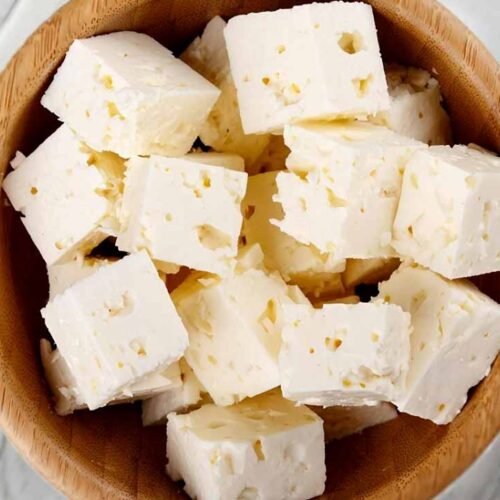
Queso Costeño (Colombian Coastal Cheese)
Ingredients
- 10 Liters Raw or Unpasteurized whole milk See Chef’s Notes for pasteurized alternatives
- 150 grams Liquid rennet cuajo
- 1/4 lb Salt approx. 113 grams, adjust to taste for that signature coastal saltiness
Instructions
- Curdle the milk: Pour the pure, unpasteurized milk into a large, clean plastic bucket or basin. Add the liquid rennet, stirring gently in a circular motion to distribute it evenly. Let the mixture sit completely undisturbed for 20 minutes to curdle.
- Break the curds: After 20 minutes, the milk will have coagulated. Gently stir the mixture from the bottom to the top to break the curds and separate them from the sweet whey. Let it rest for another 10 minutes.
- Harvest and salt: Using your clean hands, carefully scoop out the solid white curds, leaving the yellowish whey behind. Place the gathered curds onto a large tray. Add the salt, mixing it thoroughly into the curds by hand, and gently squeeze to expel more liquid.
- Mold and compress: Transfer the salted curds into a cheese mold, pressing down firmly to compact it. If your mold does not have drainage holes, carefully tilt the container and use a spoon to extract the excess liquid that pools at the top.
- Press the cheese: Cover the top of the mold with a wooden lid or a flat plate. Place a heavy weight directly on top of the lid (like a large, clean stone or heavy cans) to press the cheese and force out the remaining whey.
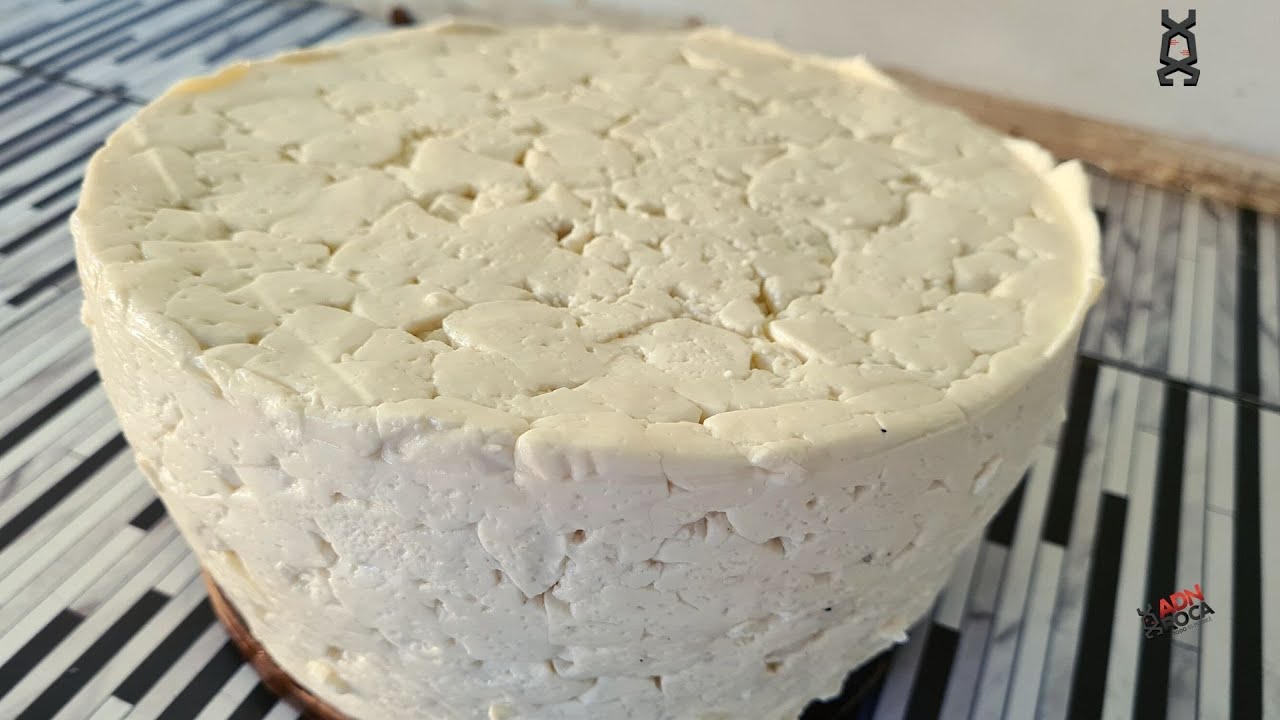
- Unmold and serve: Let the cheese press at room temperature for about 6 hours. Once it feels firm and compact, carefully remove it from the mold. Slice and serve immediately!
Video
Notes
- The Pasteurized Alternative: Authentic Queso Costeño relies on raw milk. If you must use store-bought milk, avoid “Ultra-Pasteurized” (UHT) milk as it will not curdle properly! You must use standard pasteurized whole milk and may need to add calcium chloride to help the rennet work.
- The Perfect Pairings: On the Colombian coast, this salty cheese is never eaten alone. It is designed to balance sweet and savory starches, making it the ultimate sidekick for patacones, arepas de huevo, or fresh corn and yuca bollos.
- A Sibling to Suero: The initial process of separating the milk solids is very similar to making Suero Costeño, making these two dairy products the reigning monarchs of Caribbean Colombian cuisine.
You may also be interested
Casabe: Traditional Indigenous Cassava Flatbread
Mañoco o Fariña: Indigenous Granulated Cassava
Colombian Dumplings o Drop Dumplings
Arepas de fruto del árbol de pan: Colombian Breadfruit Arepas