
Casabe: Traditional Indigenous Cassava Flatbread
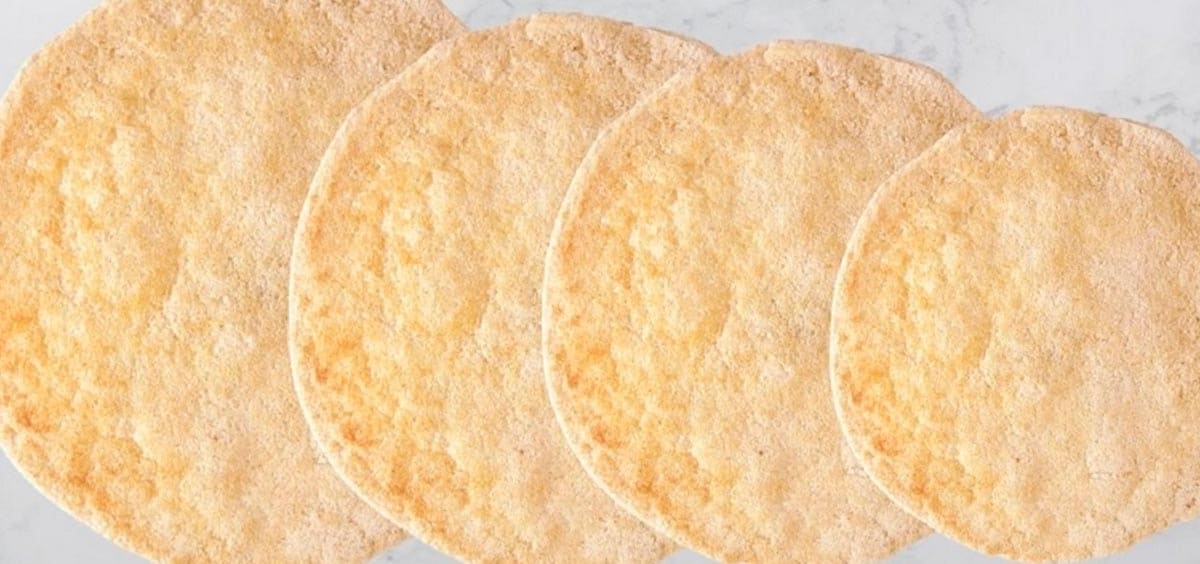
Casabe is one of the oldest and most culturally significant traditional breads of the Americas, originating from the indigenous communities of the Colombian Orinoquía and Caribbean. This rustic, naturally gluten-free cassava flatbread offers a delightfully crispy texture and a mild, earthy flavor that perfectly complements hearty stews or serves as a simple snack.
The secret to this ancient recipe is thoroughly extracting the moisture from the freshly grated cassava root. By meticulously pressing the pulp through a cotton cloth and allowing it to air-dry in the refrigerator, you create a refined, starchy flour that crisps up beautifully in a dry skillet without needing any added fats or binders.
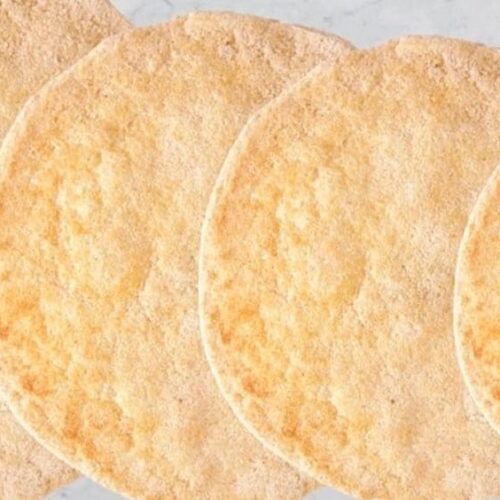
Casabe (Colombian Cassava Flatbread)
An ancient, crispy, and naturally gluten-free indigenous flatbread made entirely from single-ingredient cassava root.
Ingredients
- 1 lb Cassava
- Water
Instructions
- Peel and wash: Remove the tough, waxy outer skin from the cassava root. Wash the peeled root thoroughly under cold running water to remove any dirt or residue.
- Grate to a mash: Using the finest side of a box grater, finely shred the entire cassava root until you achieve a wet, uniform, and pulpy mash.
- Squeeze out moisture: Transfer the wet cassava mash into a clean cotton cloth or a heavy-duty cheesecloth. Twist and squeeze the cloth as tightly as possible to extract the maximum amount of liquid; the goal is to leave the pulp as dry as humanly possible.
- Dry and crumble: Spread the squeezed, dry cassava pulp evenly across a baking sheet. Place the sheet in the refrigerator for 4 hours to dehydrate it further. Every hour, take the tray out to stir the mixture and break apart any large clumps with your fingers until it resembles a fine, coarse meal.
- Heat the skillet: Remove the dried cassava flour from the refrigerator. Place a dry, non-stick skillet (preferably a small one to help neatly shape the bread) over medium-low heat. Do not add any oil or butter.
- Toast to golden: Sprinkle an even, thin layer of the cassava flour across the hot skillet, gently pressing it down to form a solid, cohesive disc. Let it toast undisturbed for about one minute until the bottom binds together, then carefully flip it over. Cook for another minute until both sides are golden, crispy, and the flatbread breaks easily with a dry snap.
Notes
- The Ancestral Method: The traditional indigenous preparation involves fermenting the root for two days and using a large woven sleeve called a sebucán to squeeze out the liquid, before baking the flatbread on a large clay griddle known as a budare.
- Sweet vs. Bitter Cassava: While modern home cooks use safe, sweet cassava, ancient recipes utilize bitter cassava. The bitter variety contains high levels of naturally occurring cyanide, which is strictly neutralized through the intense traditional pressing and toasting process.
- Incredible Shelf Life: Because it is completely devoid of moisture and fat, properly toasted casabe can boast an astonishing shelf life of up to eight months, making it an essential non-perishable staple.
- A Historical Provision: Due to its impressive longevity, casabe was heavily adopted by Spanish conquistadors as a highly reliable travel provision during early colonial expeditions.
- Nutritional Powerhouse: This ancient bread is completely fat-free, naturally gluten-free, rich in dietary fiber, and packed with B vitamins that help support a healthy metabolism.
You may also be interested
Mañoco o Fariña: Indigenous Granulated Cassava
Colombian Dumplings o Drop Dumplings
Arepas de fruto del árbol de pan: Colombian Breadfruit Arepas
Bami: Traditional Colombian Island Cassava Flatbread