
Bami: Traditional Colombian Island Cassava Flatbread

Bami is a deeply traditional side dish hailing from the coastal regions of Colombia, particularly cherished in the San Andrés islands. Similar to the ancestral casabe, this rustic flatbread offers a delightfully crispy, comforting texture that serves as the perfect companion to countless regional meals.
The secret to this quick 35-minute recipe is thoroughly extracting the moisture from the freshly grated cassava. Squeezing the root through a cheesecloth ensures a remarkably dry base, allowing the dough to crisp up beautifully in a hot skillet without steaming or falling apart.
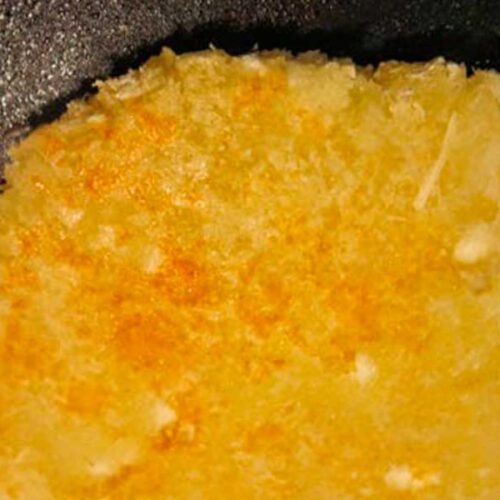
Bami (Colombian Island Cassava Flatbread)
A crispy, rustic flatbread made from freshly grated and thoroughly squeezed cassava, native to the San Andrés islands.
Ingredients
- 2 lbs Cassava or Yuca Bitter or sweet variety
- Grated cheese Optional
- Salt
Instructions
- Peel and grate: Begin by completely peeling the tough, waxy outer skin off the yuca root. Wash the peeled root thoroughly under cold water, then use a box grater to finely shred the entire piece.
- Squeeze and dry: Transfer the wet, grated yuca into a fine-mesh strainer or a clean piece of cheesecloth (a clean cotton kitchen towel works well too). Squeeze it vigorously to extract as much liquid as possible; the resulting yuca pulp must be remarkably dry to form a proper dough.
- Season and mix: Place the dried yuca pulp into a mixing bowl. Season generously with salt and mix in the optional grated cheese, tossing everything together until the ingredients are evenly distributed.
- Pan-fry to golden: Lightly grease a skillet with cooking oil and place it over medium heat. Press the yuca mixture directly into the hot pan, shaping it into a large, flat, circular disc (similar to a large, thin arepa). Cook the flatbread for about 20 minutes, carefully flipping it halfway through, until both sides are beautifully crispy and golden brown.
- Rest and slice: Carefully remove the cooked flatbread from the skillet and let it rest for a few minutes so it can set up and firm up. Once slightly cooled, slice it into wedges or triangles for easy serving.
Notes
- The Bitter vs. Sweet Yuca: Similar to traditional Casabe, you can prepare this with either sweet or bitter cassava. While the most ancestral preparations use the bitter variety (mandioca), it requires intense, meticulous squeezing to remove its naturally high levels of cyanide. For home cooks, utilizing the standard sweet yuca found in supermarkets is much safer and far more practical.
- Digestive Health: Yuca is widely recognized for possessing excellent natural attributes that help improve overall digestive system function and alleviate occasional constipation.
- Sustained Energy: Among its many benefits, yuca naturally contributes to maintaining a healthy diet. It boasts a high percentage of dietary fiber that helps promote fullness, along with complex carbohydrates that are slowly absorbed by the body, providing a steady release of long-lasting energy.
You may also be interested
Buñuelos de maíz en almíbar: Colombian Sweet Corn Fritters
Colombian Dumplings o Drop Dumplings
Arepas de fruto del árbol de pan: Colombian Breadfruit Arepas
Colombian Johnny Cakes