
Arepas Orejeperro o de Angú: Traditional Thin Colombian Arepas
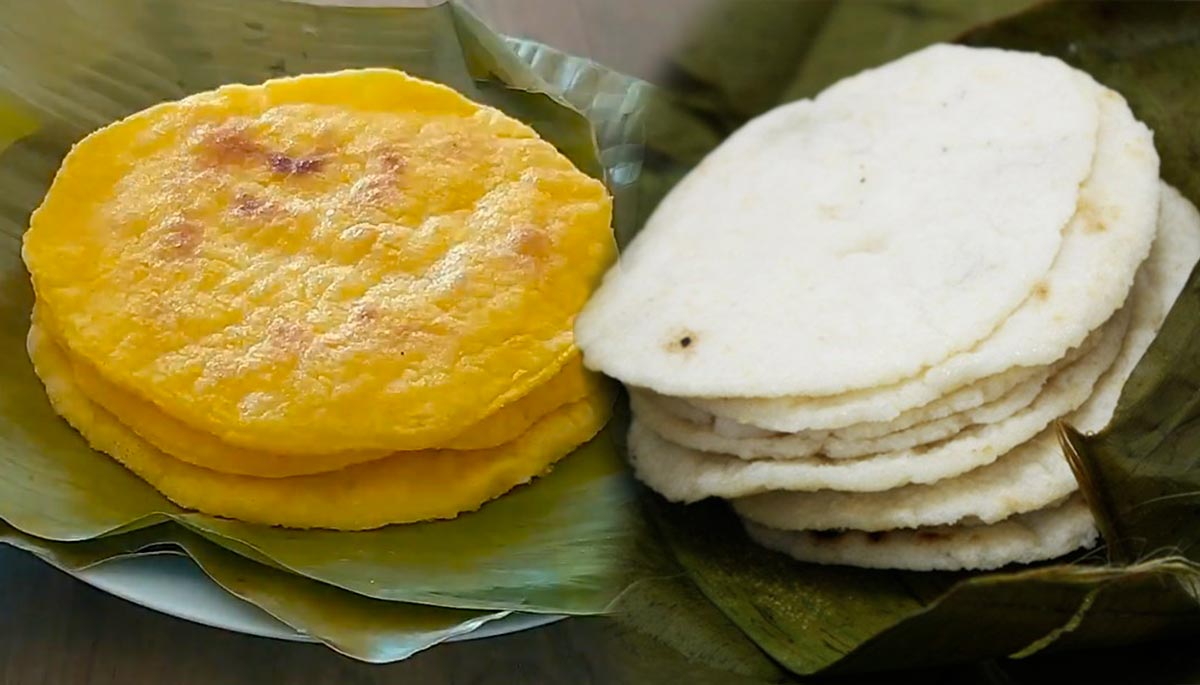
Arepas Orejeperro (also popularly known as Arepas de Angú) are a deeply traditional staple from the Huila and Tolima departments of Colombia. Unlike standard thick and round arepas, these are famously characterized by being much thinner, slightly more elongated, and incredibly pliable.
The secret to this 55-minute active recipe is the extraction of the starch. Instead of using standard flour, you soak the raw grains, blend them, and extract the pure starch water. By cooking this liquid down into a thick paste (engrudo), you create an incredibly smooth, lump-free dough that grills into the perfect, flexible accompaniment!
Arepas Orejeperro o de Angú (Traditional Thin Arepas)
Thin, flexible, and utterly delicious! Traditional arepas from Huila and Tolima made by extracting pure starch from soaked rice or corn.
Ingredients
- 2 cups Rice OR Threshed corn Maíz trillado
- Water
Instructions
Option 1 (The Corn Method)
- Soak: Place the threshed corn in plenty of water and leave it to soak for 3 full days.
- Blend and extract: Drain and wash the corn. Place it in a blender with double its volume in water. Blend on high for 2 minutes. Pass the liquid through a fine strainer. Take the leftover solids (afrecho), put them back in the blender with a little more water, blend, and strain again. Repeat this 2 or 3 times until almost no solids remain.
- Rest the starch: Let your strained starchy liquid rest undisturbed for 30 minutes. After resting, very carefully pour off the clear water from the top, keeping only the dense, thick starch that has settled at the bottom.
- Cook the "Engrudo": Pour this thick starch into a pot. Cook over medium heat, stirring constantly with a wooden spoon for about 10 minutes until it forms a thick, light paste or dough (engrudo).
- Knead and shape: Turn off the heat and let the paste cool. Wet your hands and knead the dough slightly to eliminate any lumps. Take a portion of dough, place it on a lightly greased plantain leaf (or plastic wrap), and use your hands to flatten it into a very thin, slightly elongated arepa.
- Grill: Lightly grease a pan or griddle. Transfer the shaped arepa (peeling off the leaf/plastic) to the hot pan. Cook for about 7 to 8 minutes per side until beautifully golden brown!
Option 2 (The Rice Method)
- Soak: Place the rice in water and let it soak overnight.
- Blend and extract: Drain and wash the rice. Blend it for 2 minutes with double its volume in water. Strain the liquid. Just like the corn method, re-blend the leftover solids 2 or 3 times with a bit of water and strain to extract all the starch.
- Cook the paste: Transfer the strained liquid to a pot and cook over medium heat. Stir constantly with a wooden spoon for about 10 minutes until it thickens into a pliable paste (engrudo).
- Shape and grill: Turn off the heat and let it cool. With wet hands, take portions of the dough and flatten them thinly over a greased plantain leaf or plastic wrap. Lightly grease a hot pan and cook the arepas for 7 to 8 minutes per side until golden!
Notes
- The Ultimate Wrap: These exceptionally thin arepas are heavily utilized as the mandatory side dish for meats. In the Huila region, their flexible texture makes them absolutely perfect for folding and wrapping around pieces of the legendary Asado Huilense!
- Corn Variations: If you choose to make the corn version, you can use either yellow or white threshed corn, which will completely change the visual presentation of the final dish.
- Nutritional Value: Corn is a fantastic cereal that provides a great source of natural energy, alongside essential vitamins and minerals like Vitamin E, iron, potassium, and magnesium.
You may also be interested
Arepas de fruto del árbol de pan: Colombian Breadfruit Arepas
Arepa de huevo: Traditional Colombian Fried Egg Arepa
Arepas de Arroz: Traditional Colombian Rice & Cheese Arepas
Arepas Jenesanenses: Boyacá-Style Yellow Corn Arepas