
Protein Supplement for Bees: A UTadeo Innovation for Beekeeping in Colombia
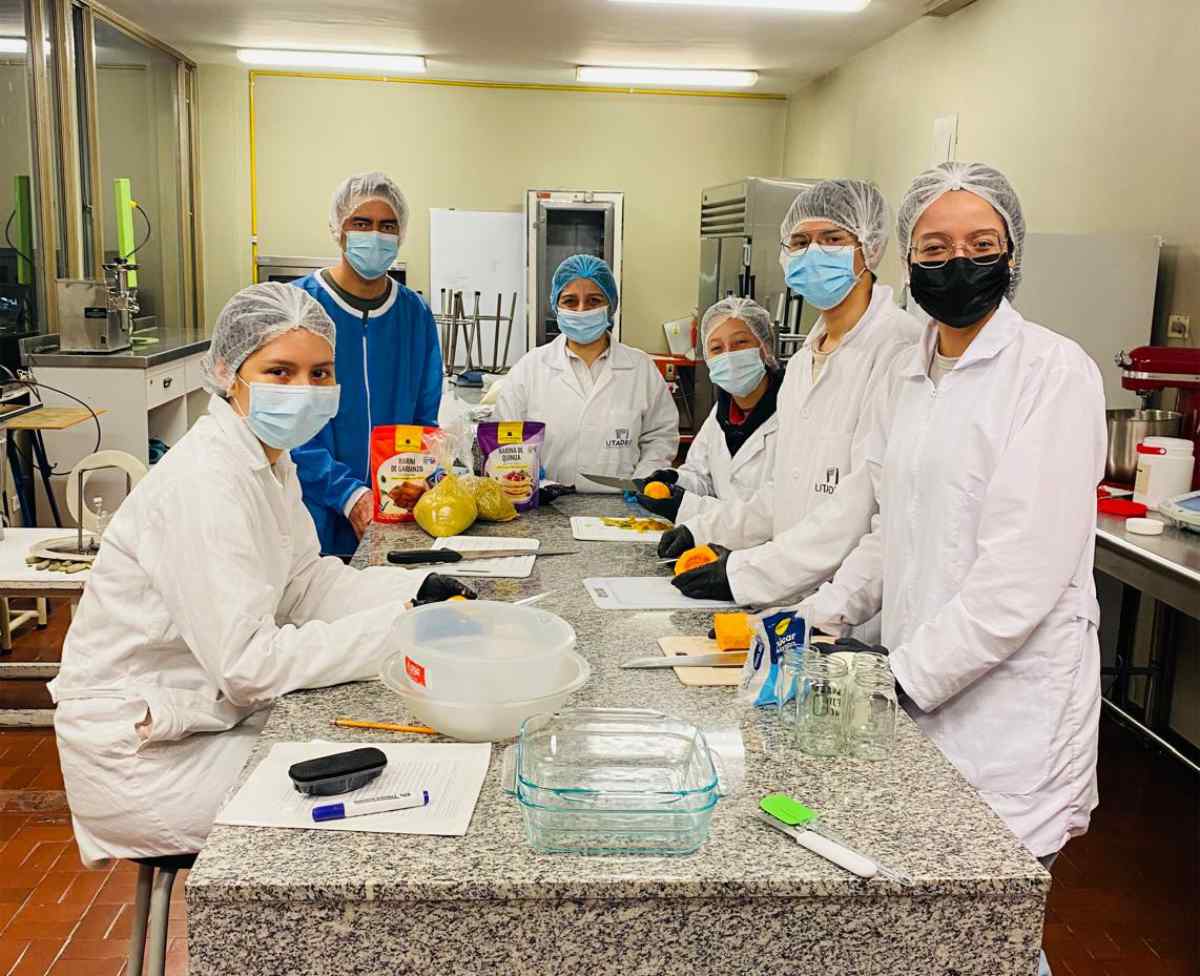
Students from the University of Bogotá Jorge Tadeo Lozano (UTadeo) and ApisGreen have developed a plant-based nutritional supplement to combat the massive die-off of beehives. The product aims to protect pollinators and reduce operating costs for beekeepers during seasons of pollen and nectar scarcity.
Impact of Bee Mortality on Agriculture
Over the past three years, nearly 1 billion bees have died. According to data from the Colombian Agricultural Institute (ICA), 30% of the bees in Colombia have disappeared—a critical metric for food security, given that 70% of agriculture depends on pollination.
To mitigate this loss, UTadeo’s Food Sovereignty research incubator and the company ApisGreen formulated a protein supplement. The product is composed of pumpkin squash flour, quinoa, pollen, and other plant-based ingredients integrated into a homogeneous paste. As they lose moisture, these patties are placed directly on the hive frames.
Interdisciplinary Development from the Academy
The university’s Food Engineering team structured the nutritional composition of the supplement, conducted the physicochemical and microbiological analyses, and determined its shelf life. In parallel, Graphic Design students developed the commercial presentation using 100-gram packaging, available in three- and six-unit formats.
The initiative reflects an integration of food science with environmental conservation. Gino Paolo Cala, a Food Engineering graduate from the institution, framed the urgency of the development by noting that society lives “from and for the bees.”

Sustainability and Efficiency for the Beekeeping Sector
The implementation of this product optimizes the profitability and operability of apiaries. Michelle Fandiño Durán, a student at the institution, indicates that the supplement reduces the expenses associated with managing weakened hives. Beekeepers are able to reduce constant inspections, relocations, and dependence on emergency feeding plans during dry seasons.
You may also be interested
“Plutarchia hildae,” a New Species of Wild Flora, Discovered in Huila
Harpy Eagle Spotted for the First Time in Valle del Cauca During Expedition in San Cipriano
The Colombian Association of Hematology and Oncology (ACHO) Launches the “Avance Hematológico” Journalism Award
First Sighting of the Brown-Breasted Parakeet in Huila, an Endemic Colombian Species